


 English
 Français
 Español
 Deutsch

Home · News · Industry News · How to Choose Automotive Wire Harness Injection Molds for Cable Protection, Connector Molding and Automotive Electrical System Manufacturing
Industry News
How to Choose Automotive Wire Harness Injection Molds for Cable Protection, Connector Molding and Automotive Electrical System Manufacturing
2026-07-09Table of Contents
- 1 FundamentalsWhat is an automotive wire harness injection mold and how is it used in vehicle electrical systems?
- 2 CategoriesWhat are the main types of wire harness injection molds?
- 3 ApplicationsWhere are automotive wire harness injection molds commonly used?
- 4 PerformanceWhat performance properties should a wire harness injection mold provide?
- 5 ManufacturingHow is an automotive wire harness injection mold designed and manufactured?
- 6 ComparisonHow do wire harness injection molds compare with alternative cable protection methods?
- 7 LimitationsWhat are common problems or limitations of wire harness injection molds?
- 8 OutlookWhat is the future trend of automotive wire harness injection molding?
- 9 FAQ
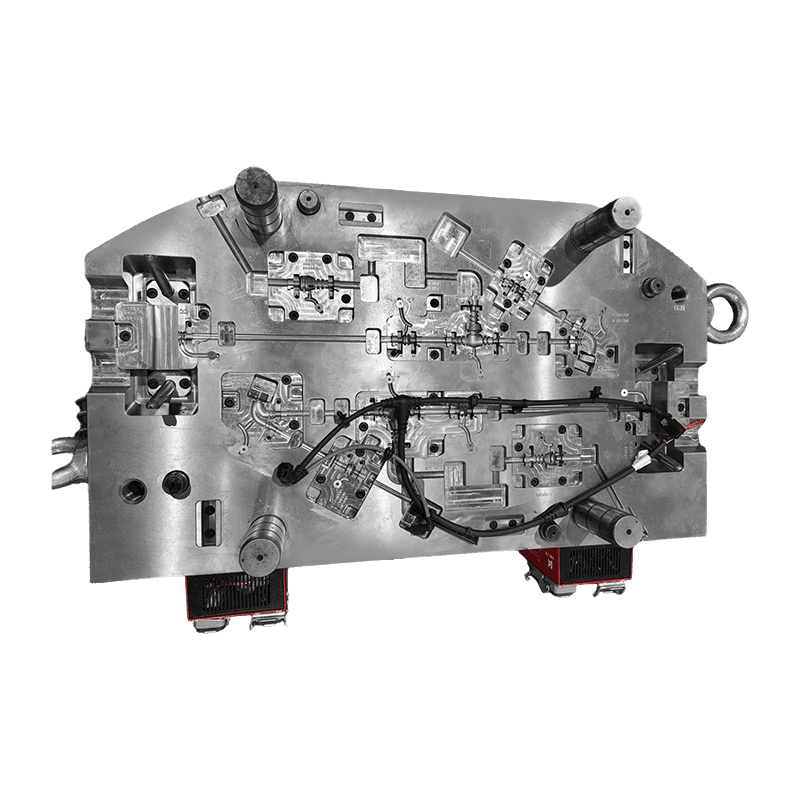
Every wire that runs through a vehicle needs a protective, sealed exit point where it passes through a panel, connects to a component, or joins another cable. An automotive wire harness injection mold is the tooling that shapes the plastic housing or overmold around that exit point, turning a bundle of bare cable into a sealed, connector-ready assembly.
FundamentalsWhat is an automotive wire harness injection mold and how is it used in vehicle electrical systems?
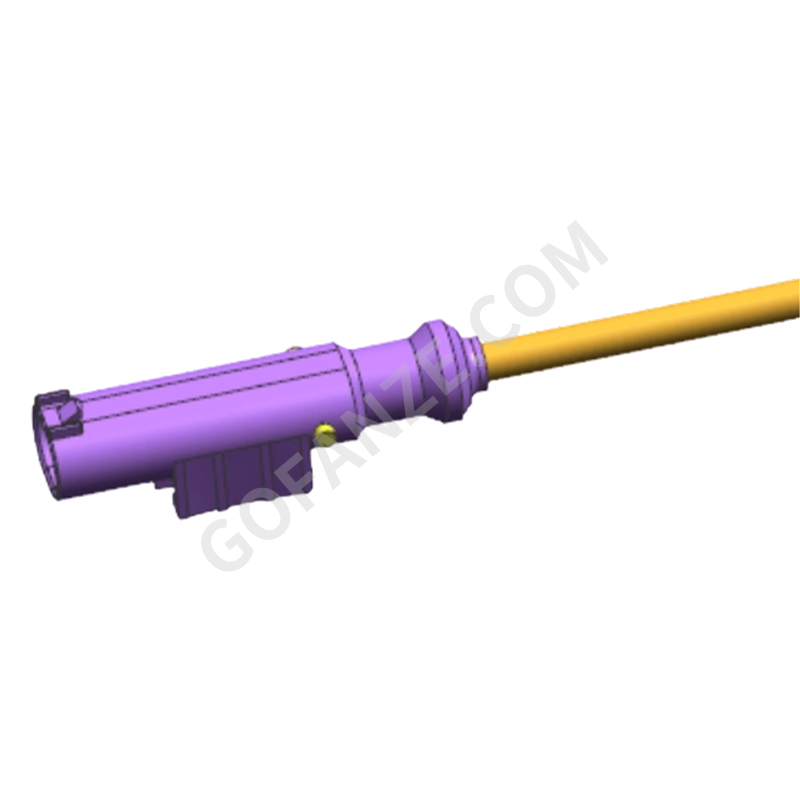
A wire harness overmolding process injects heated plastic around a cable joint or connector body, forming a solid protective shell once the material cools. Automotive connector molding uses this same principle to shape the connector housing itself, so the plastic and the cable termination become one sealed unit rather than two separate parts. An injection mold for cable assembly is the tool that gives this plastic its exact shape, cavity by cavity.
The result is a vehicle electrical protection housing that shields the wiring from moisture, vibration, and abrasion at exactly the points where damage is most likely to start. A sealed wire harness structure built this way holds up under the heat, movement, and exposure a vehicle's wiring experiences over its service life far better than an unprotected joint would.
CategoriesWhat are the main types of wire harness injection molds?
Mold selection depends on the number of parts needed per cycle and the exact protective function required. A single cavity injection mold produces one part per cycle, typically used for low-volume or highly specific connector shapes. A multi cavity connector mold produces several identical parts in a single cycle, suited to high-volume production runs. An overmolding mold for cables is designed specifically to inject material directly around an existing cable or connector rather than forming a standalone plastic part. A TPU overmold wire harness mold is built around thermoplastic polyurethane, chosen for its flexibility and abrasion resistance. A PVC injection connector mold uses polyvinyl chloride instead, often selected for lower-cost, less flex-intensive applications.
| Mold Type | Output Per Cycle | Typical Fit |
| Single cavity mold | One part | Low-volume, specialized shapes |
| Multi cavity mold | Multiple identical parts | High-volume production |
| Overmolding mold | One overmolded joint | Direct cable/connector protection |
| TPU overmold mold | Varies by design | Flexible, abrasion-resistant housings |
| PVC connector mold | Varies by design | Lower-cost, low-flex applications |
ApplicationsWhere are automotive wire harness injection molds commonly used?
Injection molded harness parts appear anywhere a vehicle routes wiring through a joint, panel, or connector point. Automotive engine wiring systems use molded connectors and overmolds rated for the heat and vibration found near the engine bay. Dashboard electrical harness assemblies rely on molded housings to keep dozens of individual circuits organized and sealed behind the instrument panel. EV battery wiring systems depend heavily on molded protection given the higher voltages and stricter sealing requirements involved. Lighting system connectors use molded housings to keep moisture out of exterior-facing electrical joints. Industrial vehicle wiring assemblies apply the same molding principles to heavier-duty equipment operating in harsher conditions than a typical passenger car.
PerformanceWhat performance properties should a wire harness injection mold provide?
A mold's quality is measured by how consistently it reproduces the same precise part, cycle after cycle. High precision cavity alignment keeps every cavity in a multi-cavity mold producing parts with matching dimensions. Heat resistant mold steel allows the tool to withstand repeated injection cycles without warping or losing its cavity shape. Long cycle durability mold design accounts for the thousands of open-close cycles a production mold experiences over its working life. Stable injection pressure control keeps the molten plastic filling every cavity evenly, avoiding weak spots or incomplete fills. High repeatability production quality ties all of these properties together, since a mold that cannot reproduce the same part reliably creates downstream assembly and sealing problems.
ManufacturingHow is an automotive wire harness injection mold designed and manufactured?
Building a mold follows a defined sequence from raw steel block to a validated production tool.
CNC machining mold cavities
The main cavity and core shapes are cut into steel blocks using computer-controlled machining.
EDM spark erosion process
Fine detail features that CNC cutting cannot reach are shaped using electrical discharge machining.
Mold steel heat treatment
The finished cavities are hardened through heat treatment to withstand repeated injection cycles.
Runner system design optimization
The channels feeding molten plastic into each cavity are refined to balance fill timing and pressure.
Injection molding trial testing
Sample parts are produced and checked against dimensional and sealing requirements before full production begins.
ComparisonHow do wire harness injection molds compare with alternative cable protection methods?
Injection molding vs heat shrink tubing is one of the most common comparisons in cable protection, with heat shrink offering a quick, low-tooling-cost fix and injection molding offering a permanent, tightly sealed joint. Overmolding vs manual assembly protection follows a similar pattern, since manual taping or sleeving depends on assembly consistency while overmolding produces a uniform result every time. Plastic housing vs rubber sealing is a related trade-off, where a molded plastic housing integrates sealing directly into its shape rather than adding a separate rubber gasket. Integrated connector vs separate assembly reflects the broader shift toward combining parts that used to be assembled individually. Automation vs manual wiring protection captures the production-side difference, since molding integrates naturally into automated lines in a way manual protection methods do not.
Injection Molded Protection
- Permanent, integrated seal around the joint
- Consistent result across every unit produced
- Higher upfront tooling investment
Heat Shrink / Manual Methods
- Lower upfront cost, no tooling required
- Result depends on assembly consistency
- Faster to apply for low-volume or repair work
LimitationsWhat are common problems or limitations of wire harness injection molds?
Molds are precise tools, and several recurring issues affect their output over time. Flash defects molding issue appears when excess plastic escapes the cavity parting line, usually from wear or insufficient clamping pressure. Misalignment cavity wear develops gradually as repeated cycles wear down the precise fit between mold halves. Inconsistent injection pressure can cause some cavities in a multi-cavity mold to fill fully while others fill only partially. Tool wear and tear mold steel is an unavoidable long-term factor, since even hardened steel degrades under thousands of high-pressure cycles. A high tooling cost initial investment remains one of the biggest practical limitations, since a mold must be justified against expected production volume before it is built.
| Issue | Common Cause | Effect on Parts |
| Flash defects | Worn parting line or low clamp pressure | Excess plastic at part edges |
| Cavity misalignment | Gradual mold wear over cycles | Dimensional drift between cavities |
| Inconsistent injection pressure | Uneven runner or gate design | Partial fills in some cavities |
| Tool wear | Repeated high-pressure cycling | Reduced dimensional accuracy over time |
OutlookWhat is the future trend of automotive wire harness injection molding?
EV high voltage connector systems are pushing mold design toward tighter sealing tolerances given the higher voltages and stricter safety margins involved. Lightweight automotive materials are influencing housing design as manufacturers look to reduce overall harness weight without sacrificing protection. Smart modular wiring systems are changing how connectors are grouped, favoring molded housings that can serve multiple standardized modules rather than one-off custom shapes. Automated harness assembly lines are increasingly built around molds designed for fast, robot-compatible cycle times. High precision micro molding technology is also expanding, supporting the smaller, denser connector shapes needed as vehicle electronics continue to multiply.
As vehicles carry more onboard electronics, the mold behind each connector becomes as important to reliability as the wiring it protects.
FAQ
What is a wire harness injection mold?
It is the tooling used to shape protective plastic housings or overmolds around automotive cable and connector joints.
How is automotive wiring overmolded?
Molten plastic is injected directly around the cable or connector joint inside a mold cavity, forming a sealed protective shell once it cools.
What materials are used in harness molding?
Thermoplastic polyurethane and polyvinyl chloride are two commonly used materials, chosen based on flexibility and abrasion resistance needs.
Why is injection molding used in cars?
It produces a consistent, sealed protective housing around wiring joints at high volume, which manual protection methods cannot match as reliably.
Can wire harness molds be customized?
Yes, molds are commonly designed around a specific connector shape, cavity count, and production volume requirement.
What is overmolding in the automotive industry?
It is the process of molding plastic directly around an existing part, such as a cable or connector, to form one sealed, integrated component.
Categories
- Company News(2)
- Industry News(32)
Product Category
-
Printer Components & Parts
-
Two-color Plastic component & tool
-
Plastic Multi-way Connectors
-
Threaded Plastic injection molded part
-
Home Appliance Injection Parts
-
Robot shell injection mold
-
High-Gloss Transparent PC injection mold
-
Motorcycle Fairings & Bodywork plastic injection mold
-
EV Charging pile plastic injection mold
-
Automobile wire harness
-
Automotive interior plastic parts injection mold
Related Tag
-
Automotive Dashboard Plastic Parts Injection Mold
Automotive Dashboard Injection Mold
Automotive Center Console Plastic Parts Injection Mold
Automotive Interior Trim Plastic Parts Injection Mold
Automotive Instrument Panel Plastic Parts Injection Mold
Automotive Air Vent Plastic Parts Injection Mold
Automotive Interior Plastic Components Injection Mold
Automotive Door Panel Plastic Parts Injection Mold
Automotive Interior Injection Mold
High Precision Automotive Interior Plastic Parts Injection Mold


- Automotive interior plastic parts injection mold
- Automobile wire harness
- EV Charging pile plastic injection mold
- Motorcycle Fairings & Bodywork plastic injection mold
- High-Gloss Transparent PC injection mold
- Robot shell injection mold
- Home Appliance Injection Parts
- Threaded Plastic injection molded part
- Plastic Multi-way Connectors
- Two-color Plastic component & tool
- Printer Components & Parts

