



 English
 Français
 Español
 Deutsch
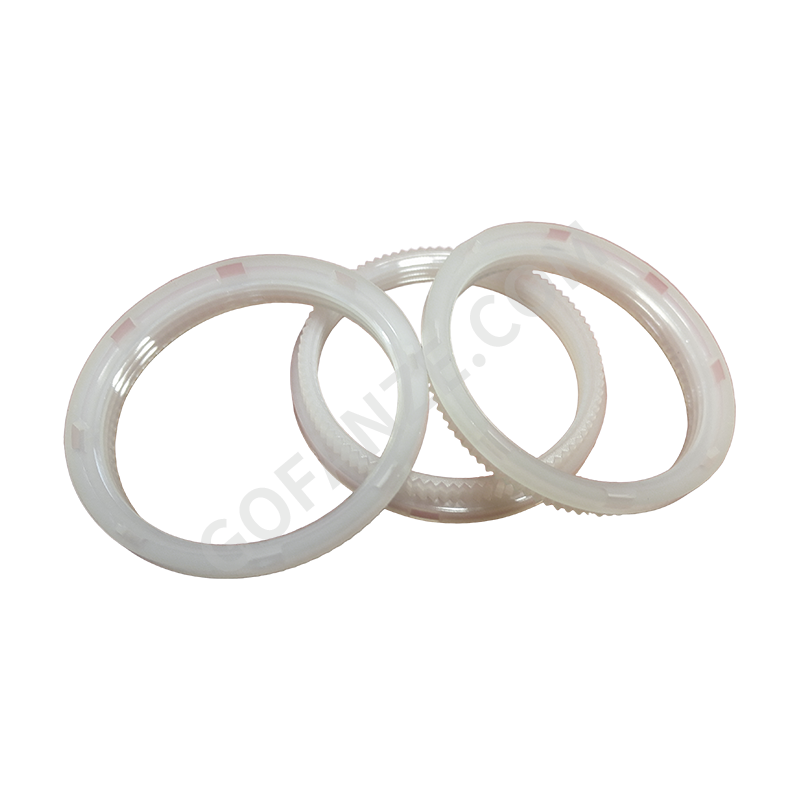
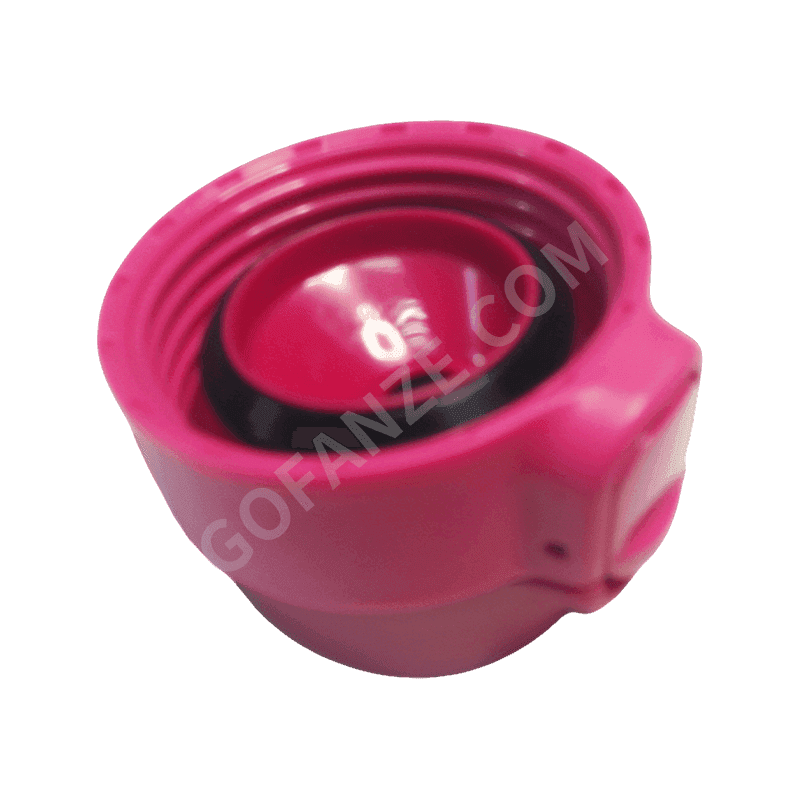
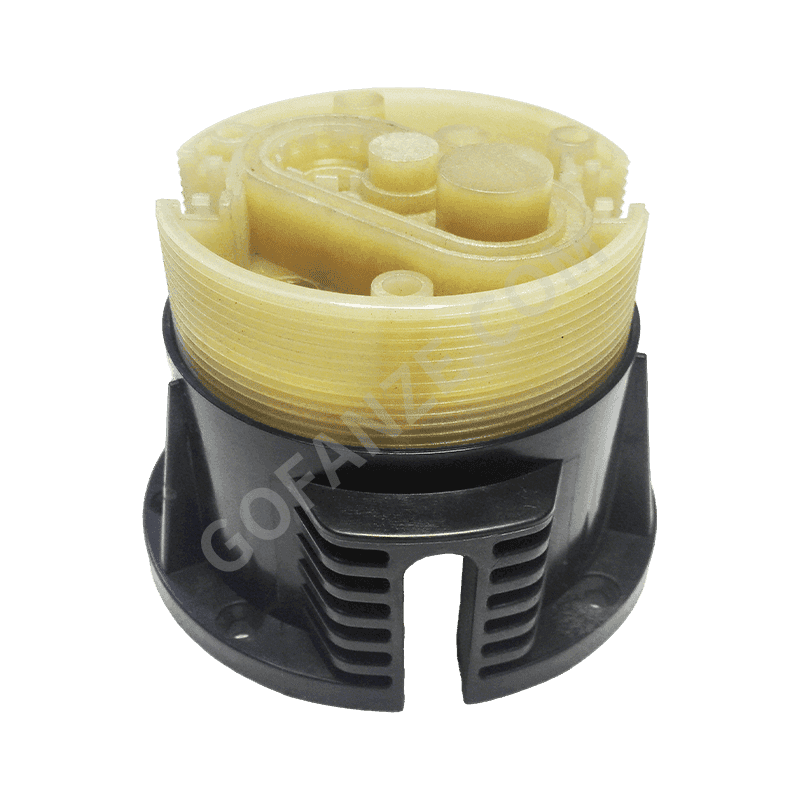

What Are the Key Design Considerations for Threaded Plastic Injection Molded Parts to Ensure Structural Integrity?
Introduction
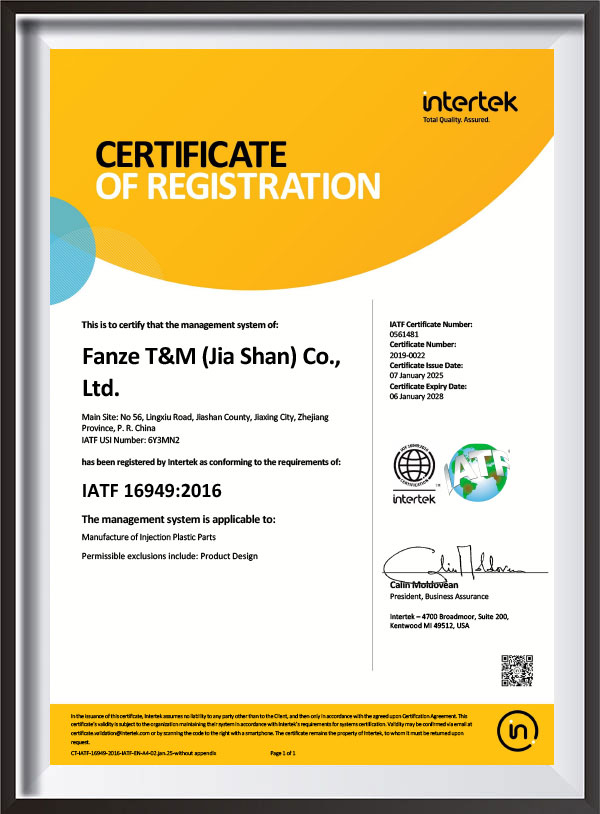
Ensuring the structural integrity of threaded plastic injection molded parts requires careful attention to design parameters, material selection, and manufacturing processes. Fanze T&M (Jiashan) Co., Ltd., formerly known as Shanghai Fanze Precision Mould Co., Ltd., founded in 2005, specializes in the development of injection molds and the manufacture of injection parts. The company integrates precision mold development, plastic mold manufacturing, and injection molding processing, inheriting Singapore's precision mold manufacturing technology and following an international business strategy.
Key Design Considerations
1. Material Selection
The choice of material directly affects the strength, thermal resistance, and wear performance of threaded components. Common materials include:
- ABS: Moderate strength, good dimensional stability, suitable for general-purpose parts.
- Nylon (PA66): High tensile strength, chemical resistance, and durability for load-bearing threads.
- Polycarbonate (PC): High impact resistance, transparent options, often used in precision components.
2. Thread Geometry
Thread parameters affect assembly performance and durability. Important considerations include:
- Thread Pitch: Fine vs. coarse pitch depending on load and engagement requirements.
- Thread Depth: Shallower threads reduce mold complexity but may compromise strength.
- Root and Crest Radius: Larger radii reduce stress concentration and prevent cracking.
3. Wall Thickness and Draft Angles
Uniform wall thickness prevents sink marks and warping. Recommended guidelines:
- Maintain thickness variation within ±10% to ensure consistent cooling.
- Apply draft angles (1°–2° per side) to facilitate part ejection without damaging threads.
4. Mold Design and Tolerances
Precision mold design ensures reproducibility and assembly accuracy:
- Use high-precision molds to control thread tolerances.
- Consider adding venting and cooling channels to maintain dimensional stability.
5. Reinforcements and Inserts
For high-load applications, consider:
- Metal Inserts: Improve wear resistance for repetitive assembly cycles.
- Ribs and Gussets: Enhance strength without significantly increasing material usage.
Parameter Comparison Example
| Parameter | ABS | PA66 | PC |
| Ultimate Tensile Strength (MPa) | 40–50 | 80–90 | 60–70 |
| Thermal Resistance (°C) | 80–100 | 200–220 | 120–140 |
| Impact Resistance (kJ/m²) | 15–20 | 30–40 | 60–70 |
| Recommended Thread Depth (mm) | 1.2–2.0 | 1.0–1.8 | 1.5–2.2 |
Conclusion
Ensuring the structural integrity of threaded plastic injection molded parts requires an integrated approach involving material selection, thread geometry, wall thickness, mold precision, and reinforcement strategies. Leveraging Fanze T&M (Jiashan) Co., Ltd.'s expertise in precision mold design and injection molding ensures high-quality, reliable components suitable for demanding applications.
FAQ
- Q1: What materials are most suitable for high-strength threaded plastic injection molded parts?
A1: Nylon (PA66) and Polycarbonate (PC) are ideal for load-bearing threads. Fanze T&M (Jiashan) Co., Ltd. provides guidance on material selection tailored to your application. - Q2: How can mold design prevent defects in threaded parts?
A2: High-precision mold design, proper venting, cooling channels, and maintaining uniform wall thickness are critical. Fanze T&M (Jiashan) Co., Ltd. specializes in precision molds ensuring consistent part quality. - Q3: Can threaded plastic parts be reinforced for repetitive use?
A3: Yes, incorporating metal inserts or structural ribs improves wear resistance and durability. Fanze T&M (Jiashan) Co., Ltd., a leading China Custom Plastic Injection Molding manufacturer, offers custom solutions for reinforced injection molded components.


