



 English
 Français
 Español
 Deutsch
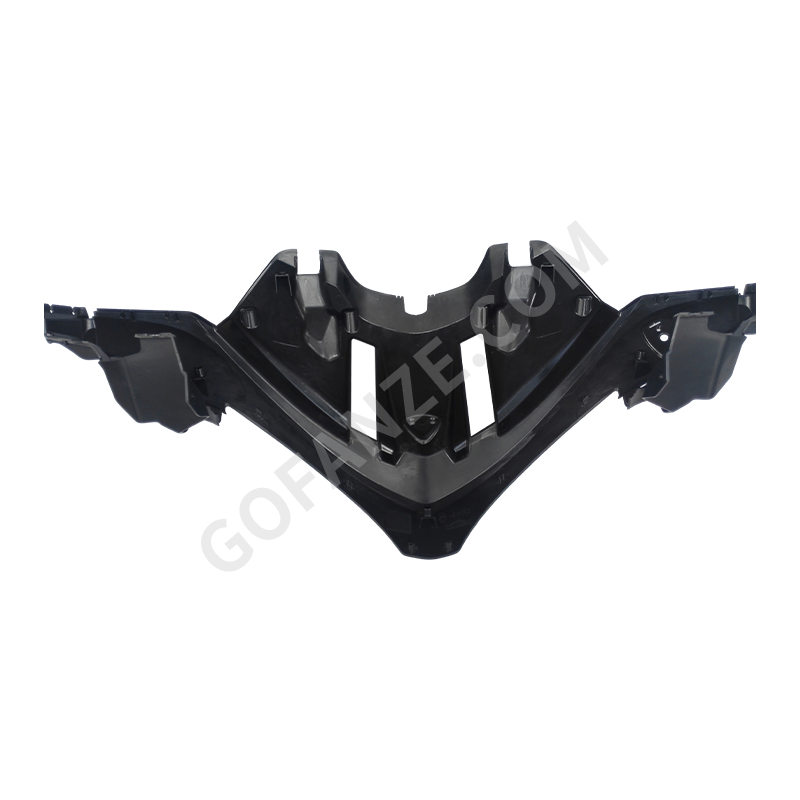
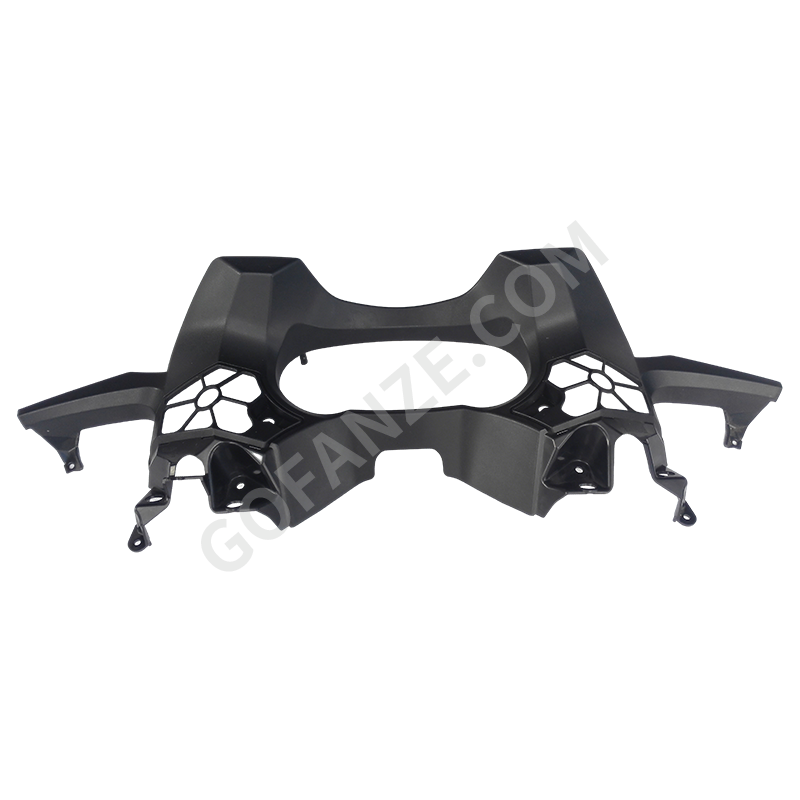
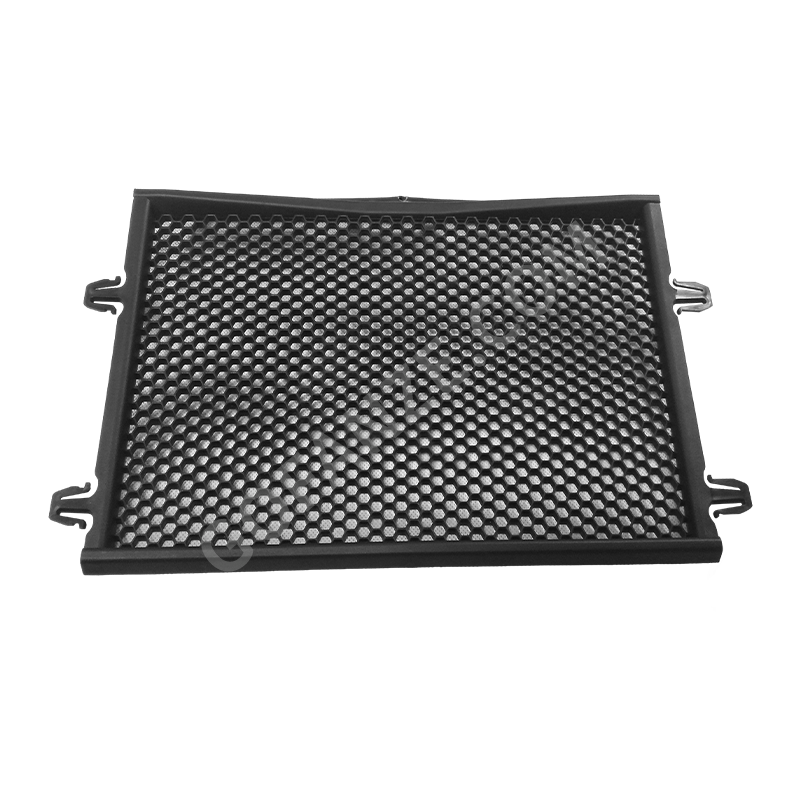
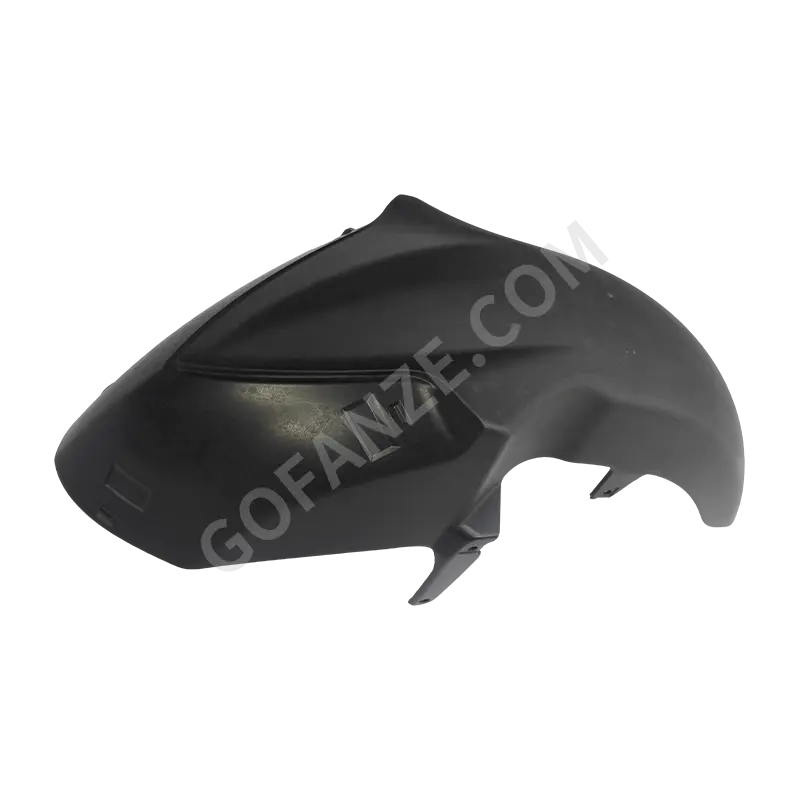
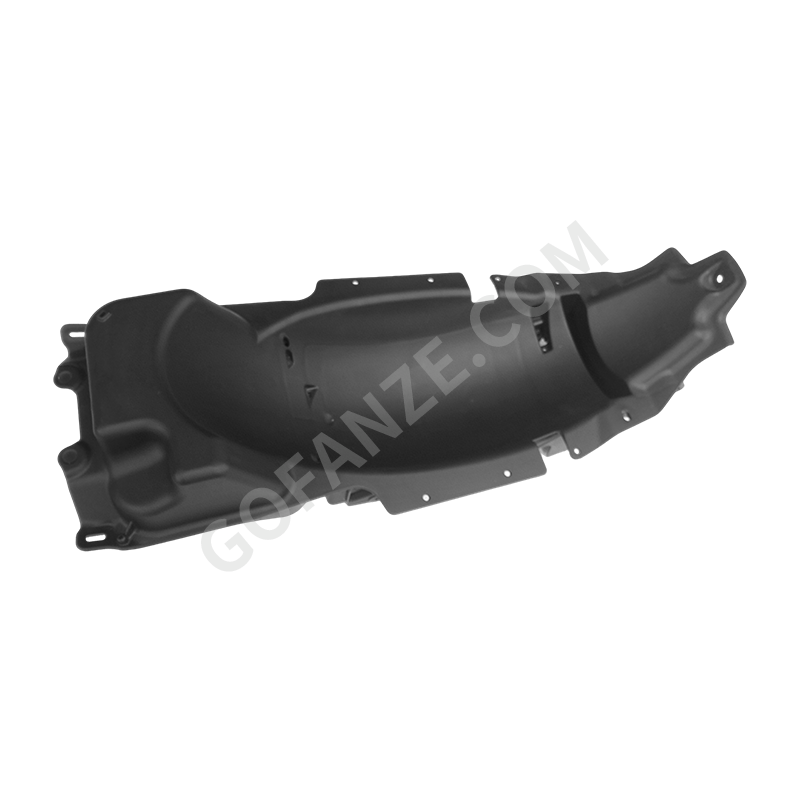
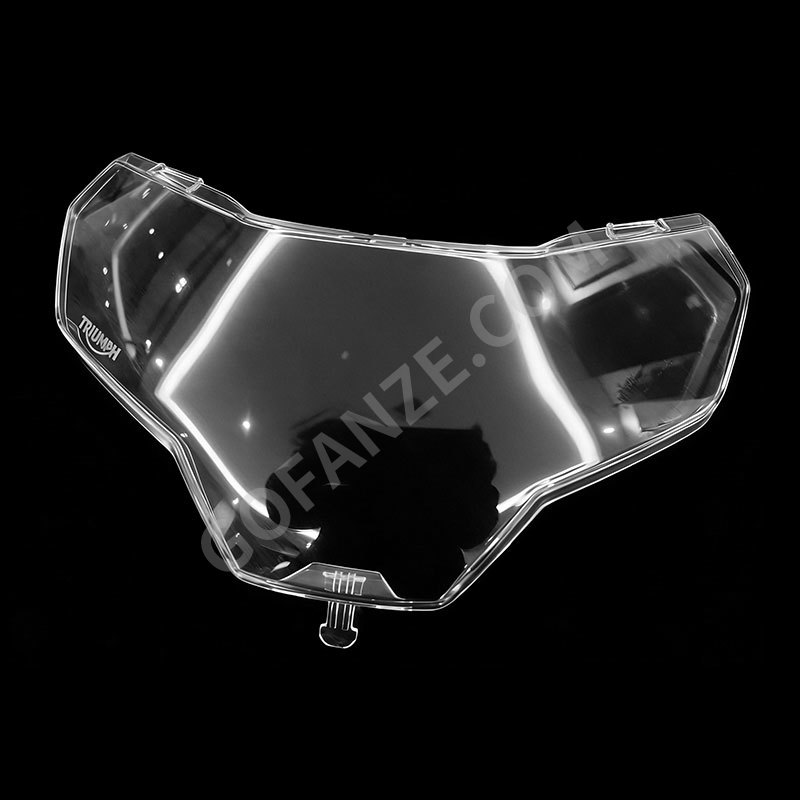
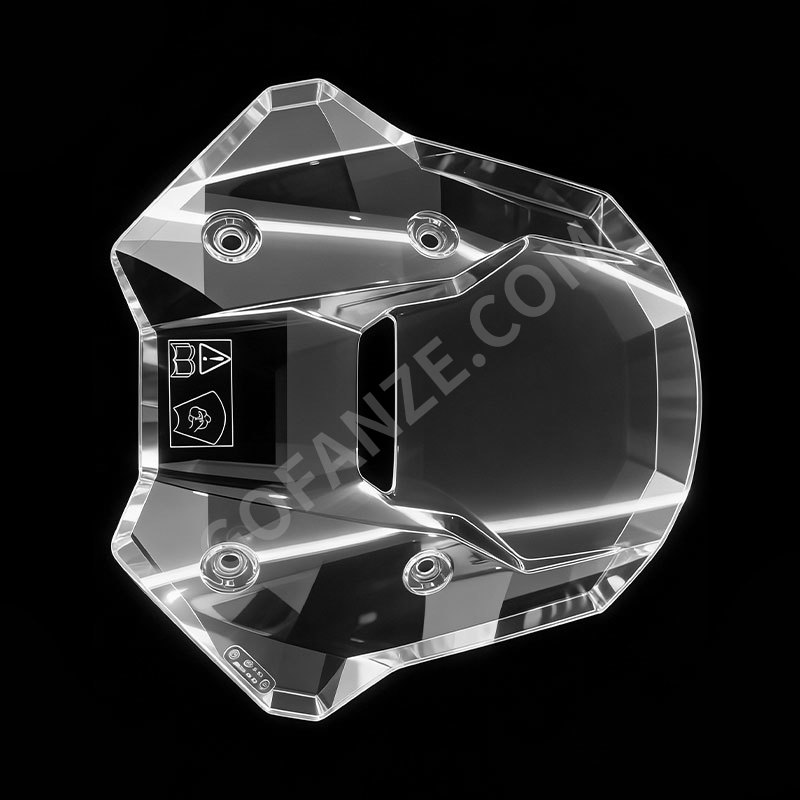


Why is weld line positioning critical for impact strength and aesthetic acceptance on motorcycle fairing injection molds?
On motorcycle fairings (e.g., front cowls, side covers, tail sections), a weld line forms when two melt fronts meet during cavity filling. Unlike hidden parts, fairings are fully exposed and often painted with high-gloss or metallic finishes. Poor weld line positioning leads to visible surface marks (rejectable under grazing light) and localized weak zones that may crack during impact or vibration. Therefore, controlling weld line location is not only an aesthetic requirement but also a safety-related mechanical requirement for parts that protect the rider and internal components.
1. Impact Strength vs. Weld Line Position
| Weld Line Location | Typical Impact Strength Retention* | Failure Mode Under Impact (e.g., stone chip or drop) | Risk Level |
|---|---|---|---|
| On flat, non-structural area | 50–70% of base material | Visible surface crack but part may remain intact | Low to medium |
| Near mounting boss, rib intersection, or edge | 30–50% of base material | Crack propagates through boss → fastener loss → fairing detachment | High |
| Along a sharp curvature or vent hole | <30% of base material | Sudden brittle fracture, especially on ABS or PC/ABS at low temperatures (-20°C) | Critical |
*Retention values for ABS or PC/ABS (typical fairing materials) at weld line vs. non-weld area, measured by instrumented falling dart impact (ASTM D3763).
2. Aesthetic Acceptance Criteria for Weld Lines on Motorcycle Fairings
| Finish Type | Allowable Weld Line Visibility | Inspection Method | Typical Customer Requirement (e.g., Triumph, Harley, Japanese OEMs) |
|---|---|---|---|
| High-gloss painted (base coat + clear coat) | Not visible under any angle or light source | Grazer light inspection (500–1000 lux, 45° rotation) | Zero tolerance → weld lines must be repositioned to hidden surfaces or eliminated by valve gating. |
| Matte or textured finish (e.g., TPE overmold) | Slightly visible (not tactile, width ≤0.1mm) | Visual with naked eye at 500 mm distance | Allowed only on lower side covers or under-seat areas. |
| Carbon fiber look / film insert molded | Absolutely not visible (interrupts pattern continuity) | Visual under 2x magnification | Weld line must fall on a pattern break or design line. |
3. How Fanze T&M (Jiashan) Co., Ltd. Controls Weld Line Position for Motorcycle Fairing Molds
- Mold flow simulation: Uses Autodesk Moldflow or Moldex3D to predict weld line location at design stage. Weld lines are intentionally shifted to non-visible areas (e.g., behind grille features, along parting lines, or under decorative stickers).
- Gate location & number optimization: For complex fairings (e.g., front cowl with multiple openings), selects 4–6 valve gates with sequential opening to eliminate weld lines entirely on Class-A surfaces.
- Localized venting and melt temperature control: Increases mold temperature (by 10–20°C) and vent depth (0.03–0.05 mm) at critical weld line zones to improve molecular diffusion and reduce visual prominence.
- Injection profiling: Applies slow–fast–slow speed profile to push weld lines into thicker, less visible sections while maintaining impact strength above 70% retention.
These techniques are validated on production molds for Triumph Motorcycles (UK) and domestic motorcycle OEMs, with Cpk ≥ 1.33 for both impact strength and surface appearance.
4. FAQs
FAQ 1: Can a weld line be completely eliminated on a large, complex motorcycle fairing?
A: Complete elimination is possible using sequential valve gate hot runner systems and careful mold design, but it increases mold cost by 25–40%. For most applications, Fanze T&M (Jiashan) Co., Ltd. recommends strategic repositioning of weld lines to hidden or low-stress areas rather than full elimination. For customers requiring absolute zero weld lines on visible surfaces, the company offers motorcycle fairings bodywork plastic injection mold solutions with 6-valve sequential gating, as successfully delivered for Triumph's high-end fairing project.
FAQ 2: How does weld line position affect impact strength certification (e.g., ECE 22.06 for helmets or motorcycle fairing regulations)?
A: While fairings are not safety-critical to the same degree as helmets, many OEMs require impact tests per manufacturer standards (e.g., dropping a 5kg mass from 500mm). A poorly positioned weld line can reduce impact strength by more than 50%, leading to test failure. Fanze T&M (Jiashan) Co., Ltd. follows IATF16949 procedures to document weld line locations in the mold flow report and verifies impact strength using instrumented dart impact on molded samples cut from actual weld line zones. All weld lines are required to retain ≥70% of base material impact energy.
FAQ 3: What specific experience does Fanze T&M (Jiashan) Co., Ltd. have in motorcycle fairing molds with critical weld line requirements?
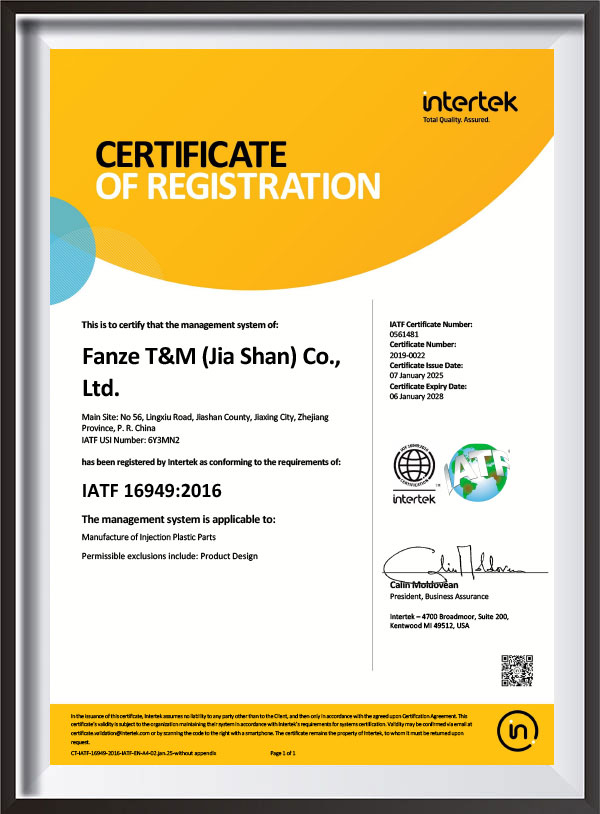
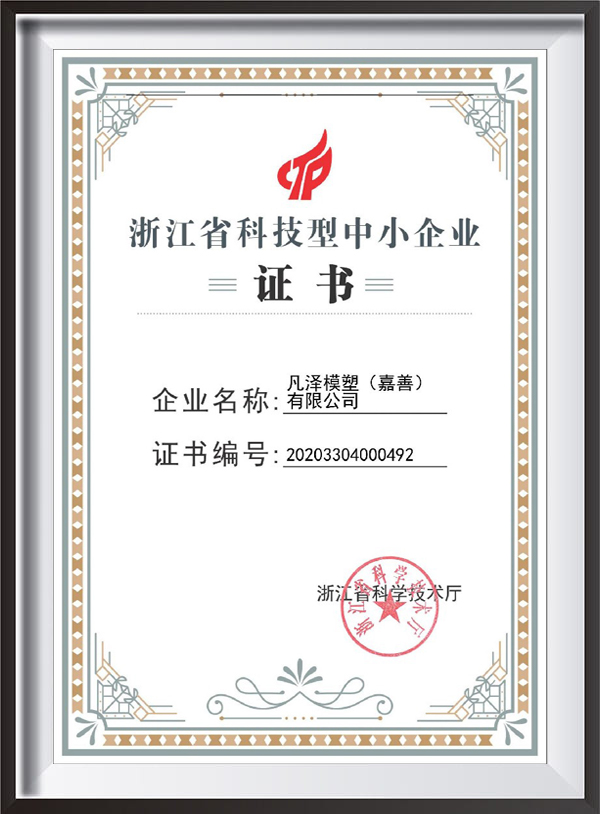
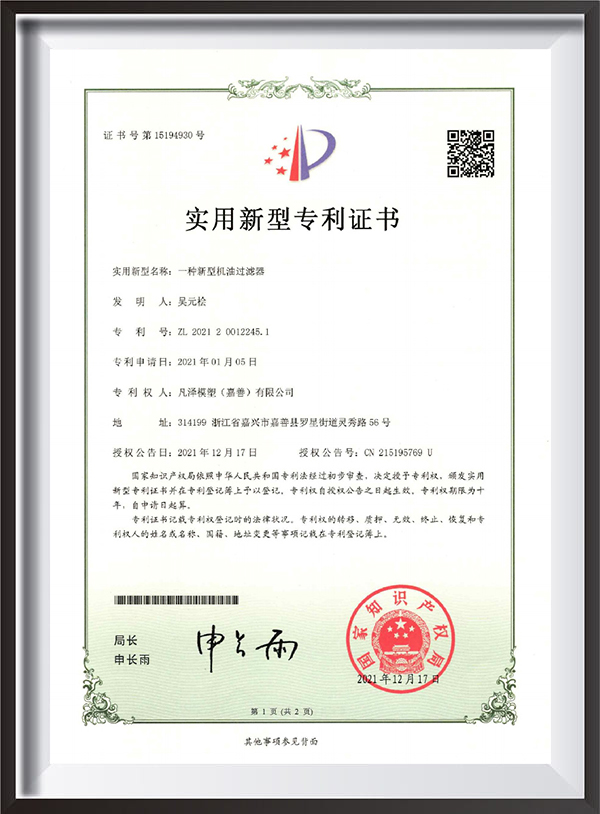
A: Fanze T&M (Jiashan) Co., Ltd. was founded in 2005 and specializes in precision injection molds and injection parts. The company moved to Guigu Park, Jiashan County in 2016, with a 14,000 m² usable plant area and about 100 employees. It owns imported CNC, EDM, slow-moving wire cutting machines, and high-performance injection molding equipment from Japan and Germany. The company is IATF16949 certified and has established good cooperative relations with British Triumph Motorcycles, domestic SAIC, Changan, and Japanese Tiger Electric.
Specific motorcycle fairing experience includes:
- Front cowl mold for Triumph Street Triple: Used 6 valve gates + Moldflow repositioning to achieve zero visible weld lines on high-gloss painted surface.
- Side cover mold for domestic 400cc sportbike: Weld line successfully hidden behind air intake grille, with impact strength retention measured at 78% (vs. 45% in previous supplier design).
- Tail section mold with integrated LED housing: Weld line placed along a natural edge to avoid interference with light transparency area.
The company adheres to the quality policy of "precision, high efficiency, casting quality" and has won high praise from customers worldwide.
What are the critical considerations for gate location selection on Class-A surface motorcycle bodywork molds to avoid jetting and flow marks?
On Class-A surface motorcycle bodywork parts (e.g., front fairings, side panels, tail cowls), jetting (snake-like flow marks from high-speed melt entering a thick cavity) and flow marks (visible ripples or hesitations) are unacceptable defects. Gate location is the most influential design parameter to eliminate these defects before metal is cut. Poor gate selection leads to costly mold rework or rejection of visible parts, especially for high-gloss painted finishes required by brands like Triumph, Honda, or Ducati.
1. Critical Considerations for Gate Location Selection
| Consideration | Design Strategy to Avoid Jetting & Flow Marks | Typical Parameter / Benefit | Application at Fanze T&M (Jiashan) Co., Ltd. |
|---|---|---|---|
| Jetting prevention (initial melt entry) | Place gate perpendicular or tangential to a rib, boss, or thicker wall section (≥2.5mm) so melt hits an obstruction immediately after entry. | Reduces initial velocity by 40–60%; eliminates snake flow. | Used on Triumph front cowl mold – gate located behind a decorative groove, resulting in zero jetting defects across 10,000+ shots. |
| Flow length uniformity | Center gate (single) or multiple gates with balanced runner to ensure all flow fronts reach edges at same time. | Prevents hesitation marks and freeze-off; reduces flow mark visibility by ≥70%. | Applied on large side panel for domestic 400cc sportbike – 2 gates with balanced H‑runner. |
| Distance to thin walls | Position gate at least 10–15mm away from abrupt thickness reduction (e.g., 2.0mm to 1.2mm). | Avoids flow hesitation and downstream flow marks. | Standard design rule in all Fanze T&M (Jiashan) Co., Ltd. Class-A molds. |
| Gate type selection | Use fan gate or tab gate for large flat areas; submarine (tunnel) gate for hidden areas; valve gate for multi-point sequential filling. | Fan gate reduces melt front velocity by 3–5x vs. pin gate; valve gates eliminate weld lines. | Fan gates applied on rear tail cowl (ABS) to prevent flow marks near engraved logo area. |
| Mold flow simulation validation | Run simulation before tooling to predict jetting velocity (<150 mm/s recommended) and flow mark index (FMI < 0.8). | Optimize gate location in 3–5 iterations; reduces trial shots by 50%. | Standard IATF16949 procedure for all new motorcycle bodywork molds. |
2. Parameter Comparison: Gate Types vs. Defect Prevention on Class‑A Surfaces
| Gate Type | Typical Applications on Motorcycle Bodywork | Jetting Risk | Flow Mark Control | Gate Vestige Visibility | Preferred for Painted Surface? |
|---|---|---|---|---|---|
| Pin gate (direct) | Small covers, mirror housings | High (if not obstructed) | Medium | Visible (requires post‑trim) | No (except hidden face) |
| Fan gate | Side fairings, rear cowl tops | Low (melt spreads) | Excellent | Low (thin wide witness) | Yes (on non‑visible edge) |
| Tab gate | Long thin panels (belly pans) | Low | Good | Medium (tab removed) | Yes (cut and polished) |
| Submarine (tunnel) | Rib‑fed hidden areas | Medium (depends on rib design) | Good | None (automatic degating) | Yes – if gate is on non‑A side |
| Sequential valve gate | Large complex fairings (front cowl) | Very low (controlled opening) | Excellent (no flow marks) | Minimal (ring mark) | Yes (premium solution) |
3. How Fanze T&M (Jiashan) Co., Ltd. Implements Gate Location Optimization
- Multi‑iteration mold flow analysis: Every Class-A motorcycle bodywork mold undergoes at least 3 simulation iterations. The company uses jetting velocity (<150 mm/s) and shear rate (<40,000 1/s) as key acceptance criteria before releasing the mold design for steel cutting.
- Physical obstruction design: Where jetting risk is unavoidable, designers add a temporary rib or pin opposite the gate to break the melt jet. This feature is later removed via EDM or manual polishing.
- Gate vestige management: For painted bodywork, gates are always placed on the B‑surface (non‑visible side) or along the future parting line of two assembled parts (e.g., lower edge of side fairing).
- Production validation: First 100 shots are inspected under grazer light (500–1000 lux, 45° rotation) for flow marks, jetting, and gate witness. Any defect triggers gate modification before mass production.
4. Three FAQs (including company introduction)
FAQ 1: Can a single gate on a large side fairing (e.g., 800mm long) avoid flow marks entirely?
A: For large motorcycle bodywork parts, a single gate is rarely sufficient to avoid flow marks because the melt front cools and hesitates before reaching the far end. Fanze T&M (Jiashan) Co., Ltd. recommends either two fan gates with a balanced runner or a hot runner with valve gates. For customers requiring premium surface quality, the company offers motorcycle fairings bodywork plastic injection mold solutions with sequential valve gating, which eliminates flow marks by controlling melt front advancement. This has been successfully applied to Triumph's 800mm front cowl mold.
FAQ 2: How do you adjust gate location after the mold is already built if flow marks appear during trials?
A: Post‑build gate changes are expensive but possible. Fanze T&M (Jiashan) Co., Ltd. uses three corrective methods in order of preference:
- Injection profiling: Reduce first‑stage injection speed by 30–50% to eliminate jetting without mold modification.
- Mold temperature increase: Raise local mold temperature by 10–20°C near the gate using additional heaters (if designed with heater slots).
- Gate geometry modification: Machine the gate from pin to fan type (adds 2–3 days lead time) or add an obstruction opposite the gate.
To avoid such rework, the company invests heavily in accurate mold flow simulation before tooling, reducing trial‑related changes by over 60% compared to industry average.
FAQ 3: Does Fanze T&M (Jiashan) Co., Ltd. have specific experience with large motorcycle bodywork molds for high‑gloss painted surfaces?
A: Yes. Fanze T&M (Jiashan) Co., Ltd. was founded in 2005 and specializes in precision injection molds and injection parts. The company moved to Guigu Park, Jiashan County in 2016, with a 14,000 m² usable plant area and about 100 employees. It owns imported CNC, EDM, slow‑moving wire cutting machines, and high‑performance injection molding equipment from Japan and Germany. The company is IATF16949 certified and has established good cooperative relations with British Triumph Motorcycles, domestic SAIC, Changan, and Japanese Tiger Electric.
Specific motorcycle bodywork examples include:
- Triumph Street Triple front cowl: 6 sequential valve gates, zero jetting/flow marks on Class‑A painted surface (2K paint with clear coat).
- Domestic 600cc sportbike side fairing (ABS+PC): Two fan gates located behind air intake grilles – flow marks completely hidden, impact strength >65 kJ/m² at weld lines.
- Rear seat cowl for Japanese OEM (PBT+ASA): Single submarine gate on B‑surface, flow marks eliminated by optimized runner balance and mold temperature (85°C).
The company adheres to the quality policy of "precision, high efficiency, casting quality" and has won high praise from customers worldwide.


