



 English
 Français
 Español
 Deutsch
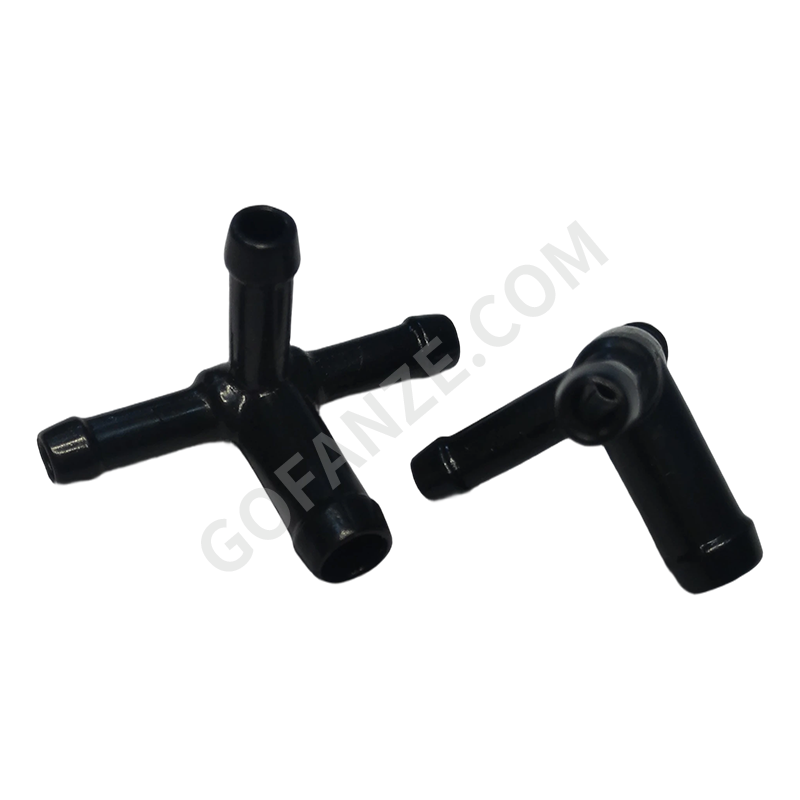
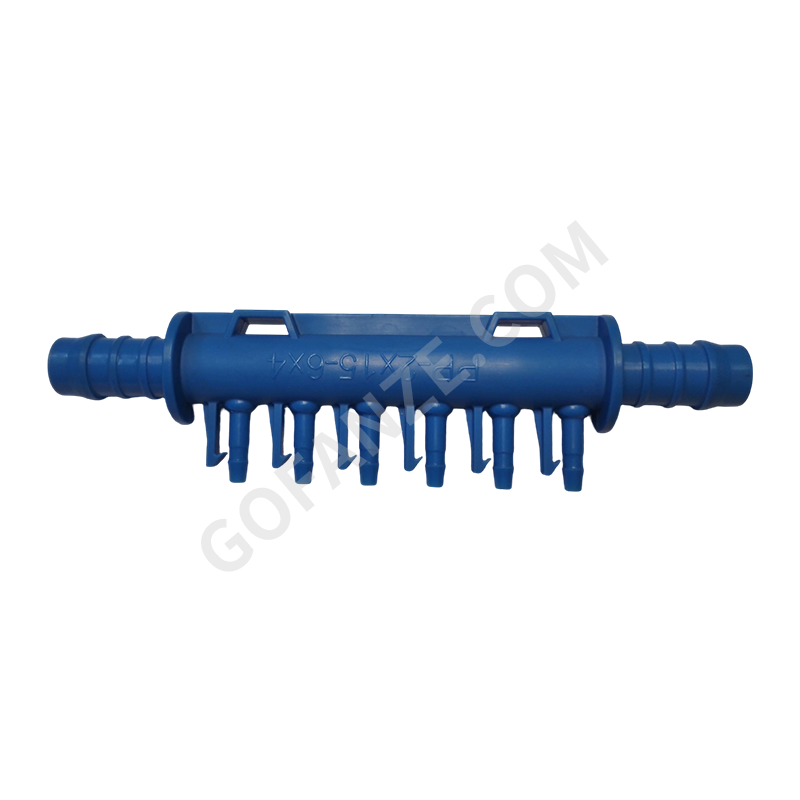

How Does Material Selection Affect the Durability and Strength of Plastic Multi-Way Connectors?
Introduction
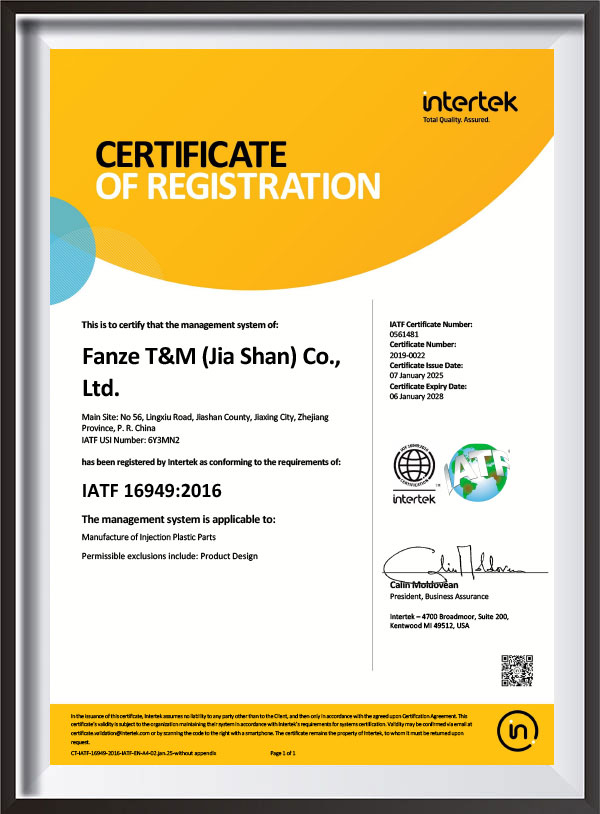
The durability and strength of plastic multi-way connectors largely depend on material selection. Proper material choice ensures reliable performance under mechanical stress, chemical exposure, and temperature variations. Fanze T&M (Jiashan) Co., Ltd., formerly known as Shanghai Fanze Precision Mould Co., Ltd., founded in 2005, specializes in the development of injection molds and the manufacture of injection parts. The company integrates precision mold development, plastic mold manufacturing, and injection molding processing, inheriting Singapore's precision mold technology and following an international business strategy.
1. Importance of Material Selection
Material selection affects several key properties of multi-way connectors:
- Mechanical Strength: Determines load-bearing capability and resistance to deformation.
- Impact Resistance: Ensures connectors withstand accidental impacts or assembly stress.
- Chemical Resistance: Protects against degradation from fuels, oils, or industrial fluids.
- Thermal Stability: Maintains dimensional accuracy in high or low-temperature conditions.
2. Common Materials for Multi-Way Connectors
- Polypropylene (PP): Lightweight, chemical-resistant, suitable for general fluid connectors.
- Nylon (PA66): High tensile strength, excellent wear resistance, ideal for load-bearing connectors.
- Polycarbonate (PC): High impact resistance, dimensional stability, often used in precision or transparent connectors.
- PBT (Polybutylene Terephthalate): Excellent mechanical properties, thermal resistance, commonly used in automotive connectors.
3. Material Property Comparison
| Property | PP | PA66 | PC | PBT |
| Tensile Strength (MPa) | 30–40 | 80–90 | 60–70 | 65–75 |
| Impact Resistance (kJ/m²) | 20–25 | 30–40 | 60–70 | 35–45 |
| Thermal Resistance (°C) | 90–110 | 200–220 | 120–140 | 150–170 |
| Chemical Resistance | High | Moderate | Good | Good |
4. Impact on Connector Durability
Choosing the appropriate material enhances service life, reduces maintenance, and ensures stable performance under mechanical and environmental stresses. For example, using PA66 or PBT increases tensile strength and thermal stability, making connectors suitable for automotive or industrial applications, whereas PP offers cost-effective solutions for lower-load requirements.
5. Injection Mold Considerations
Fanze T&M (Jiashan) Co., Ltd. applies precision injection molding technology to control tolerances, reduce internal stresses, and maintain consistent mechanical properties. Proper mold design, including uniform wall thickness, optimized flow channels, and cooling strategies, is essential to preserve the material’s inherent strength and durability.
Conclusion
Material selection is a critical factor influencing the durability and strength of plastic multi-way connectors. Leveraging Fanze T&M (Jiashan) Co., Ltd.'s expertise in precision molds and injection molding ensures high-performance, reliable connectors for a wide range of industrial applications.
FAQ
- Q1: Which materials provide the best combination of strength and chemical resistance for multi-way connectors?
A1: Nylon (PA66) and PBT offer excellent mechanical strength and chemical resistance. Fanze T&M (Jiashan) Co., Ltd. can advise on selecting materials suited to specific application requirements. - Q2: How does injection molding influence material performance in multi-way connectors?
A2: High-precision injection molding reduces internal stresses, maintains dimensional stability, and maximizes material properties. Fanze T&M (Jiashan) Co., Ltd. specializes in mold design that ensures optimal connector performance. - Q3: Can material selection extend the service life of connectors in industrial applications?
A3: Yes, selecting high-strength and thermally stable materials significantly improves durability. Fanze T&M (Jiashan) Co., Ltd., a leading China Custom Plastic Injection Molding manufacturer, provides custom solutions to maximize service life and reliability.


