



 English
 Français
 Español
 Deutsch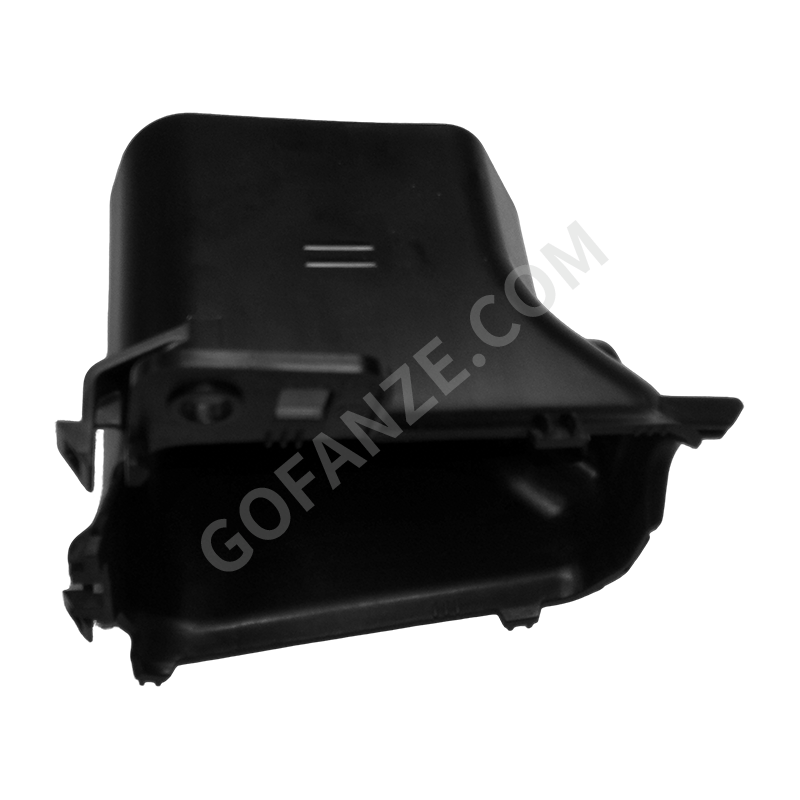
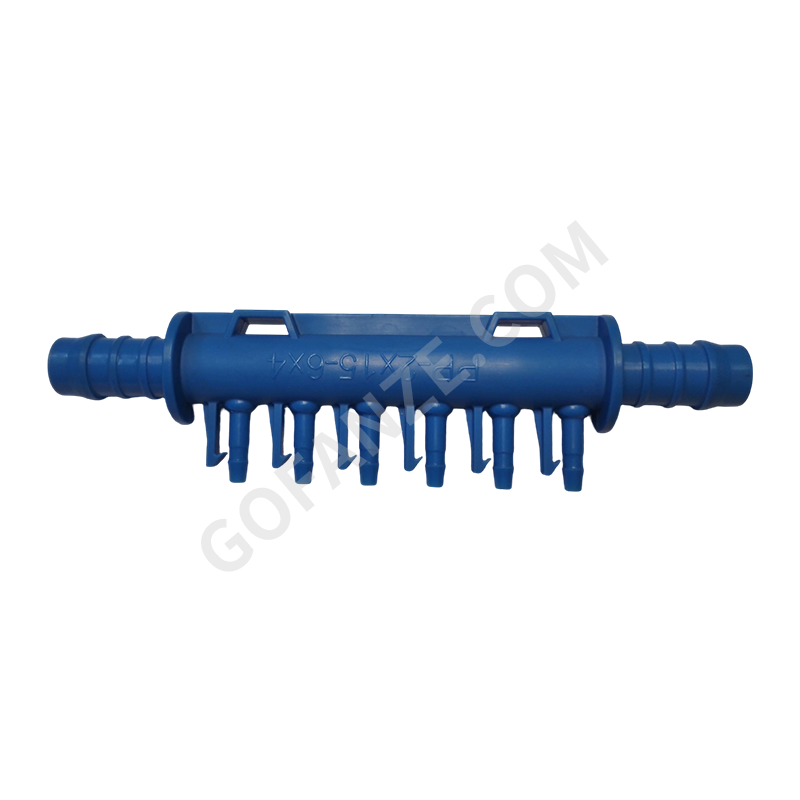
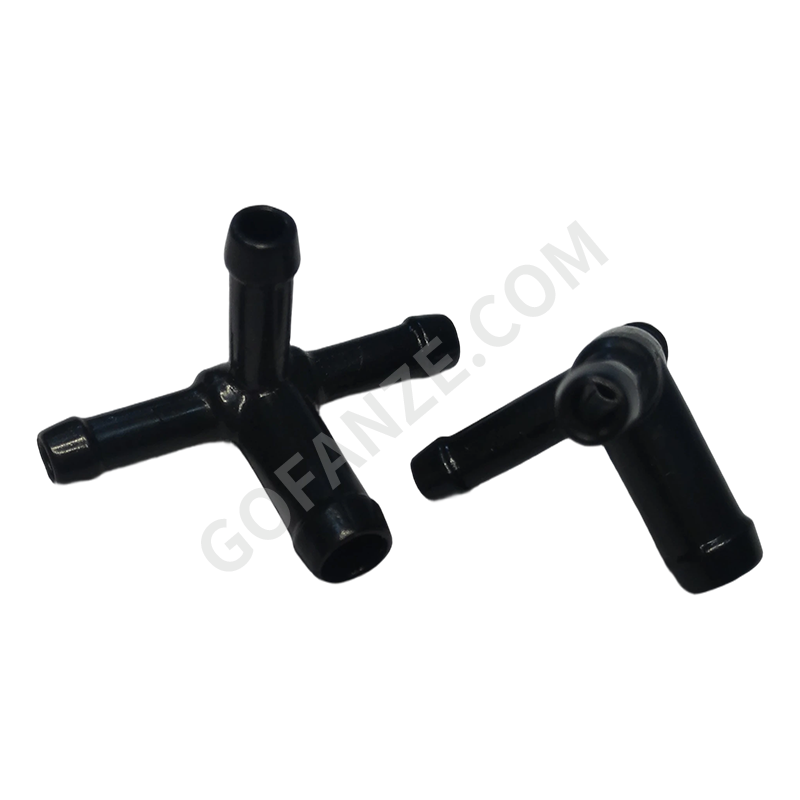
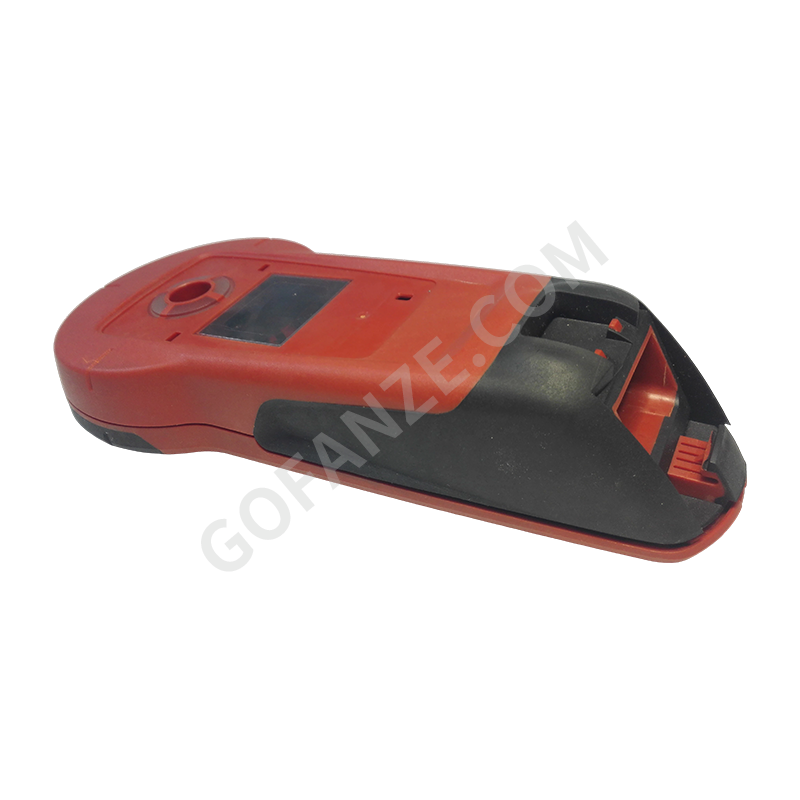
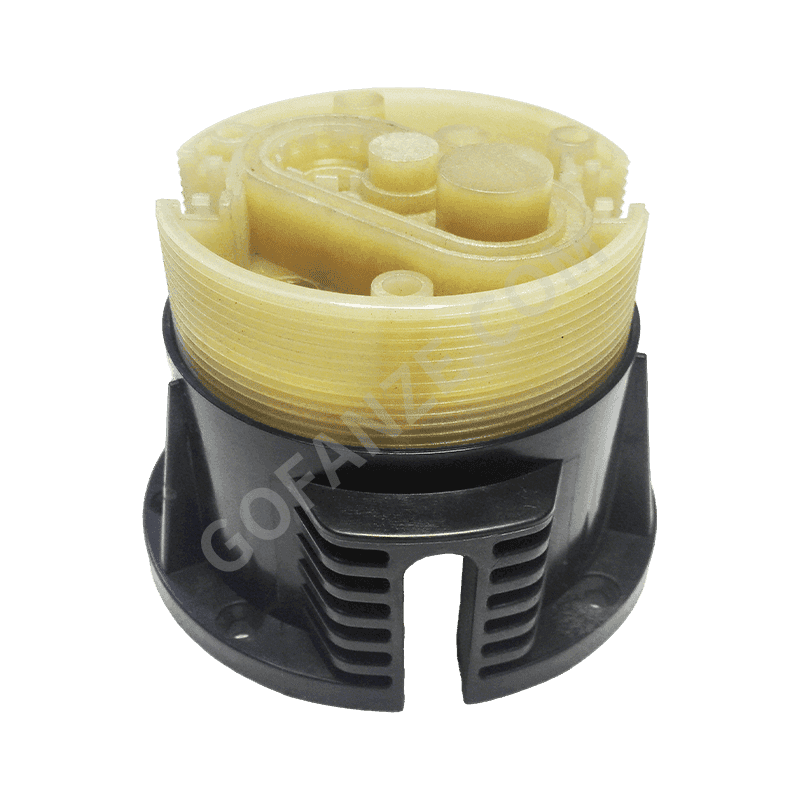
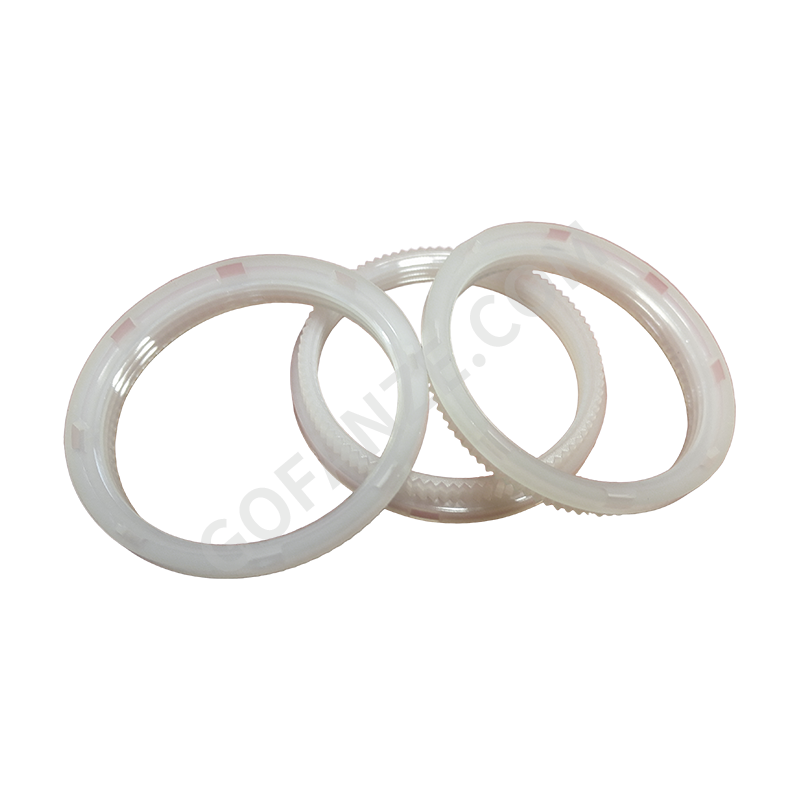
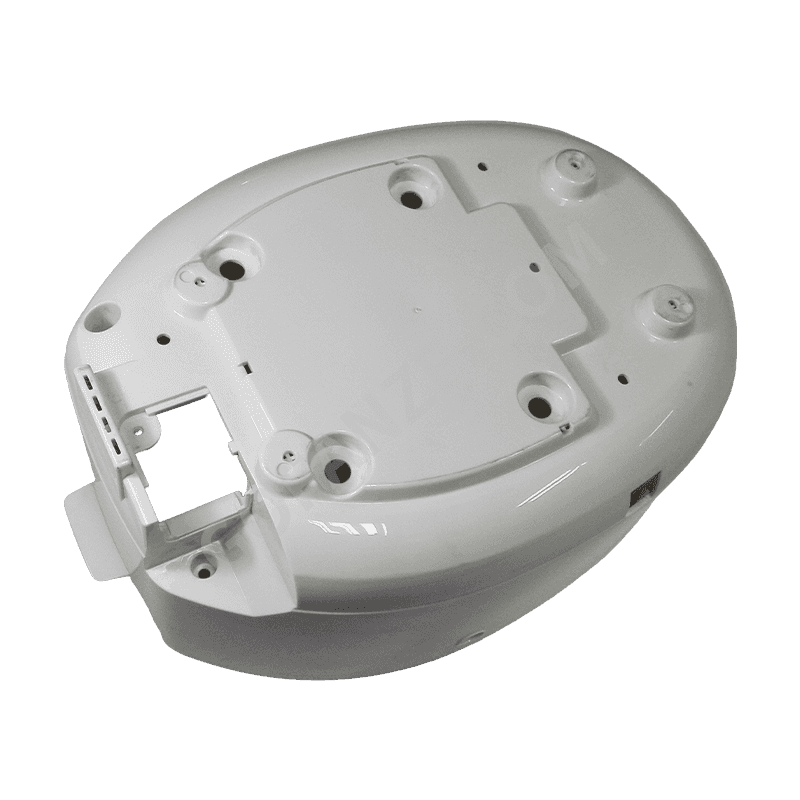
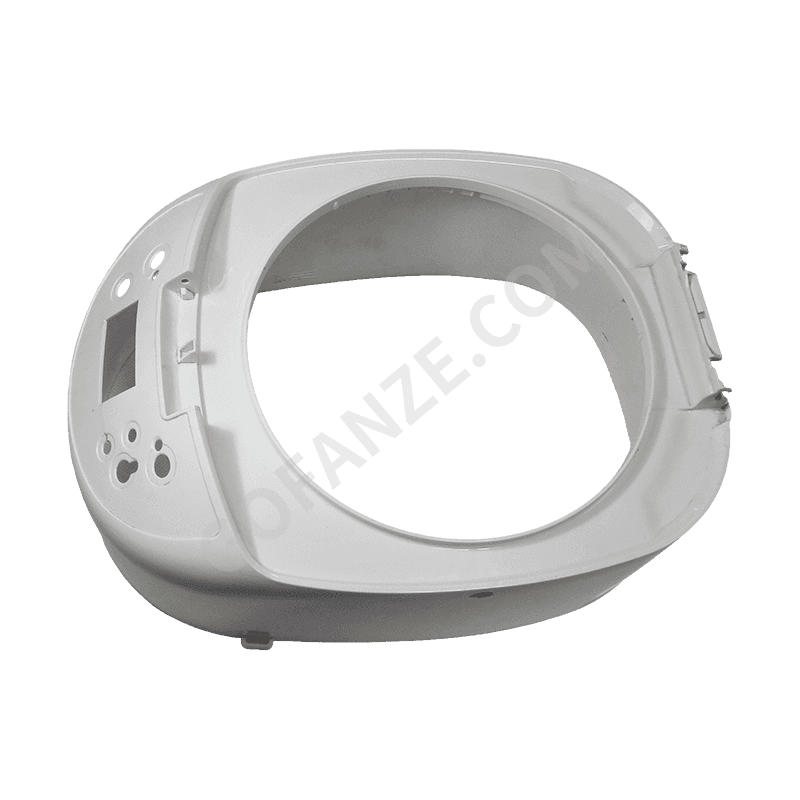
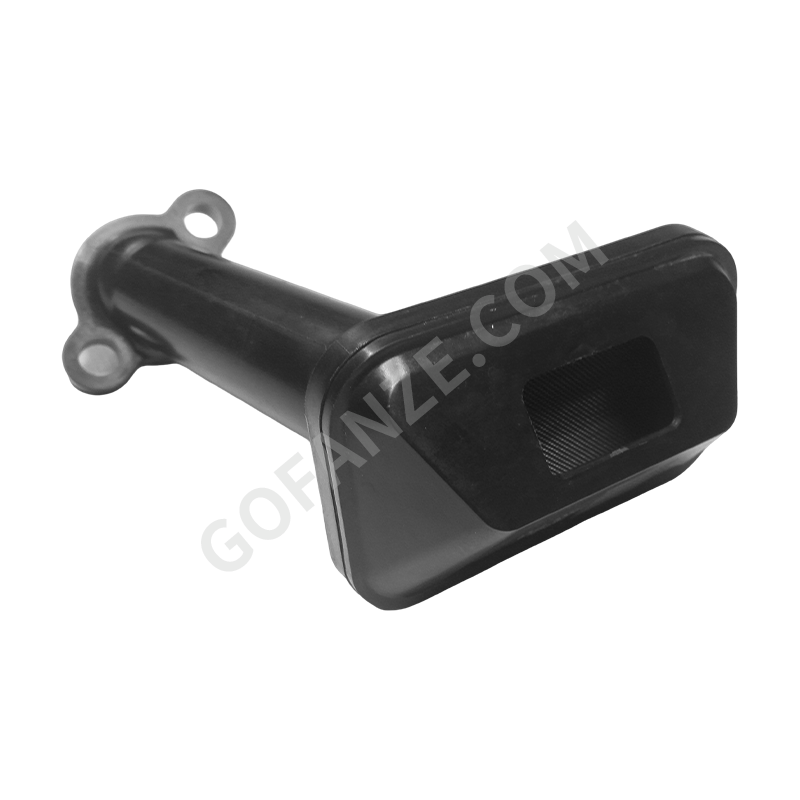
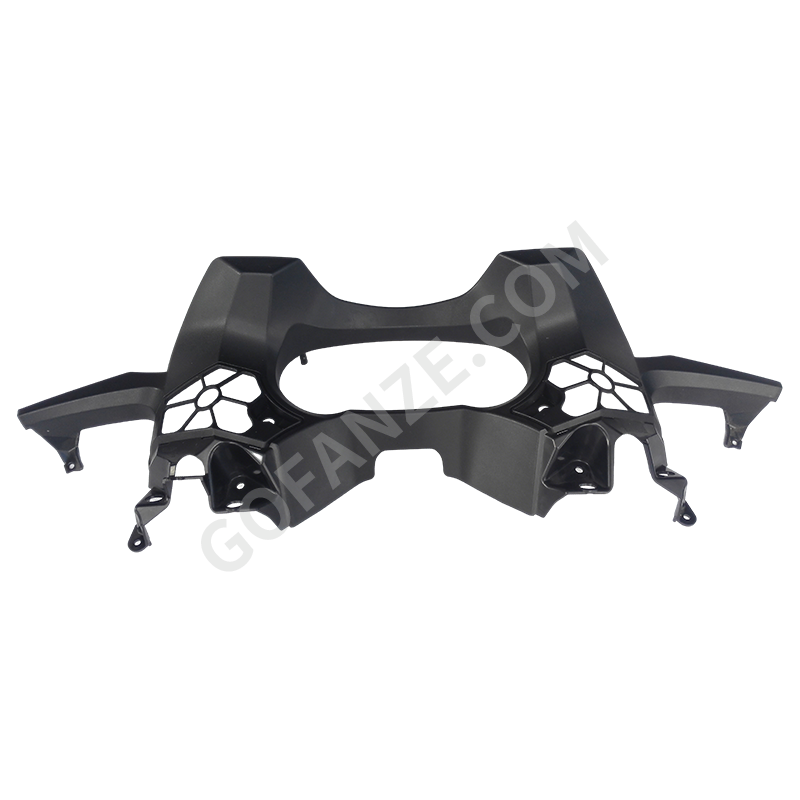
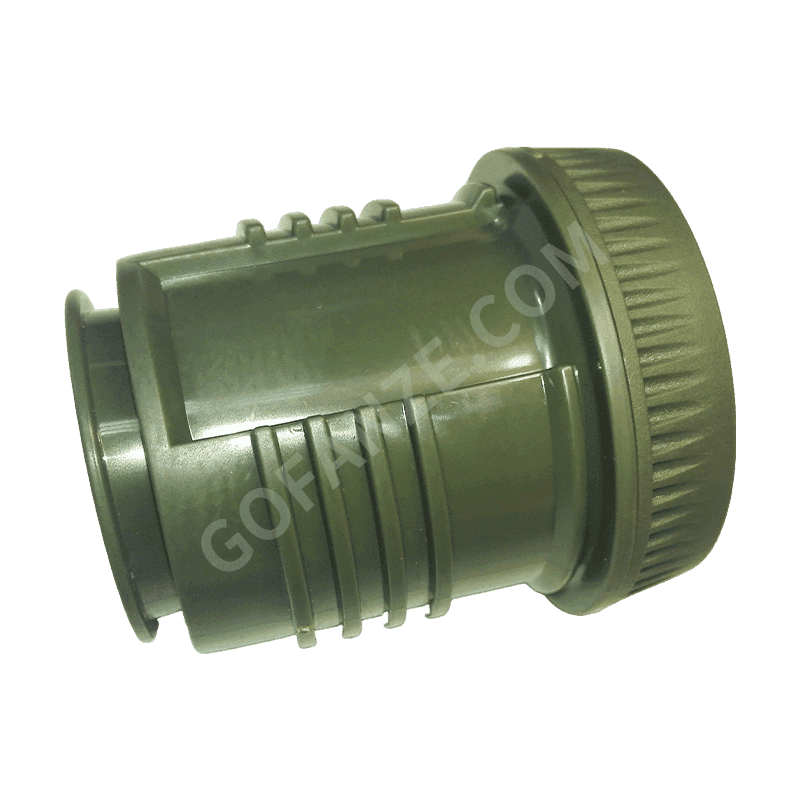
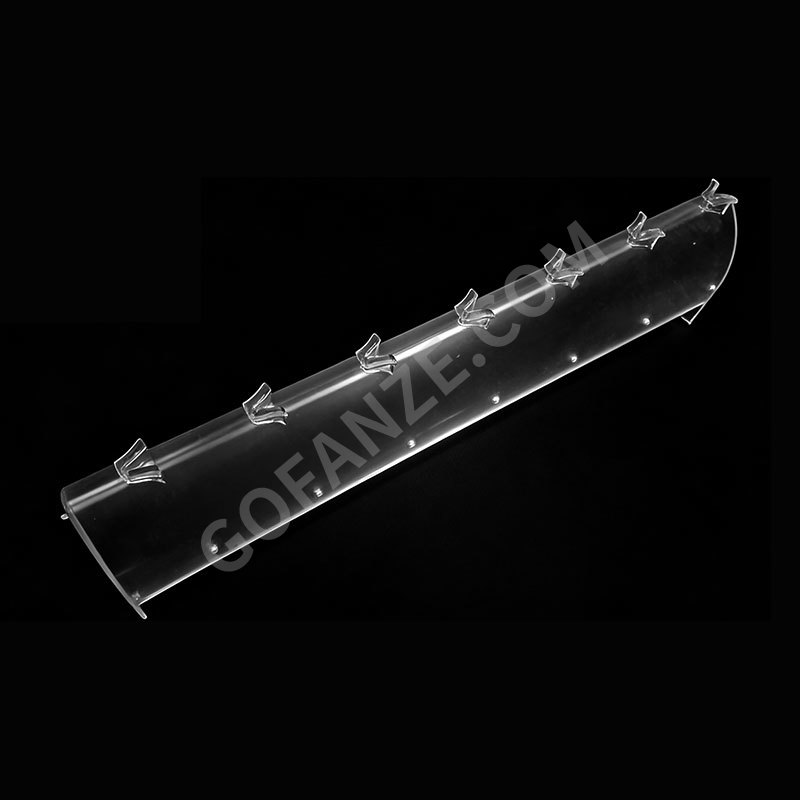
Automotive Door Panel Plastic Parts Injection Mold
The injection mold for automotive door panel plastic parts is developed for producing interior trim substrates, armrest bases, map pocket housings, and speaker grille frames. This tooling system supports integration of multiple functional features—including clip mounts, wiring harness channels, and acoustic perforations—within a single molding cycle. The mold architecture employs sliding cores, lifter mechanisms, and sequential valve gates to manage complex undercuts and varying wall thicknesses. Material selection for the tool includes pre-hardened steel for cavity blocks and beryllium copper for thermal management in high-heat zones. The design incorporates ejector pin placement strategies and air poppets to facilitate demolding of large-surface parts without surface distortion.
Core advantages
- Integrated slide and lifter systems for complex undercut geometries
- Sequential edge-gating with hot runner manifolds for balanced fill
- Interchangeable cavity inserts for left/right door panel variants
- Conformal cooling with baffled circuits reduces cycle time by 12–15%
- Wear-resistant coating (TiN or CrN) on sliding surfaces extends tool life
- Hydraulic core pulling with position feedback for precision alignment
Product characteristics
| Mold base standard | DME / HASCO / FUTABA (customizable) |
| Injection material compatibility | PP, PP+T20, PP+GF, ABS, PC/ABS |
| Clamping force range | 350 – 2200 ton |
| Surface finish | Grain texture (class A), VDI 3400, or polished |
| Ejection system | Ejector pins + air poppets + hydraulic lifters |
| Cooling medium | Water / thermal oil with conformal circuits |
| Mold life (maintenance cycle) | 800k – 2M shots based on material and wear |
Application scenarios
- Door trim upper panels and decorative inserts
- Armrest bases and pull handle housings
- Map pockets and storage compartment bins
- Speaker grille frames and acoustic panels
- Door latch covers and switch bezels
- Interior lighting bezels and ambient light guides
- Weatherstrip retention channels and clip mounts
Common questions & solutions
- How to prevent warpage on large door panel substrates?
- Optimize cooling circuit design with conformal channels; maintain cavity pressure balance through sequential valve gating; use low-shrinkage PP compounds with mineral fillers.
- What causes flow marks on textured surfaces?
- Increase mold temperature and injection speed; verify venting depth (0.02–0.03 mm) for PP materials; adjust gate size to reduce shear stress.
- Solutions for insert displacement during molding?
- Use servo-driven slide actuators with position feedback; apply hold-down pins on inserts; increase clamping tonnage for high-cavitation tools.
- How to handle sticking in deep undercut areas?
- Employ angle lifters with coated slide faces; add air poppets to break vacuum; increase draft angle on core surfaces by 1–2 degrees.
- Recommended maintenance for sliding core systems?
- Lubricate slide guides every 50k cycles; inspect wear plates and replace if clearance exceeds 0.05 mm; clean cooling channels quarterly.
Processing considerations
- Mold temperature: 40–80°C for PP grades; 60–90°C for ABS/PC blends
- Injection speed: multi-stage profile with slow initial fill to avoid jetting
- Pack pressure: 50–70% of injection pressure with holding time 3–6 seconds
- Venting: 0.015–0.025 mm for amorphous; 0.020–0.030 mm for semi-crystalline
- Shrinkage allowance: 1.0–1.8% for PP, 0.4–0.7% for ABS/PC
- Gate design: fan or edge gates with thickness 0.6–0.8 x part wall
- Hot runner temperature control: ±1°C accuracy across all nozzles


