



 English
 Français
 Español
 Deutsch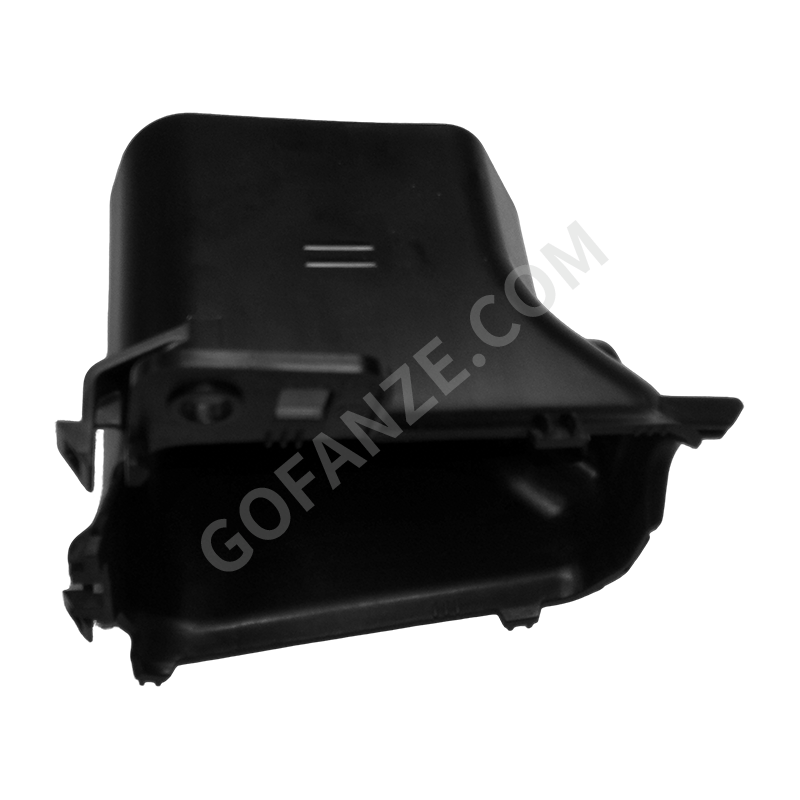
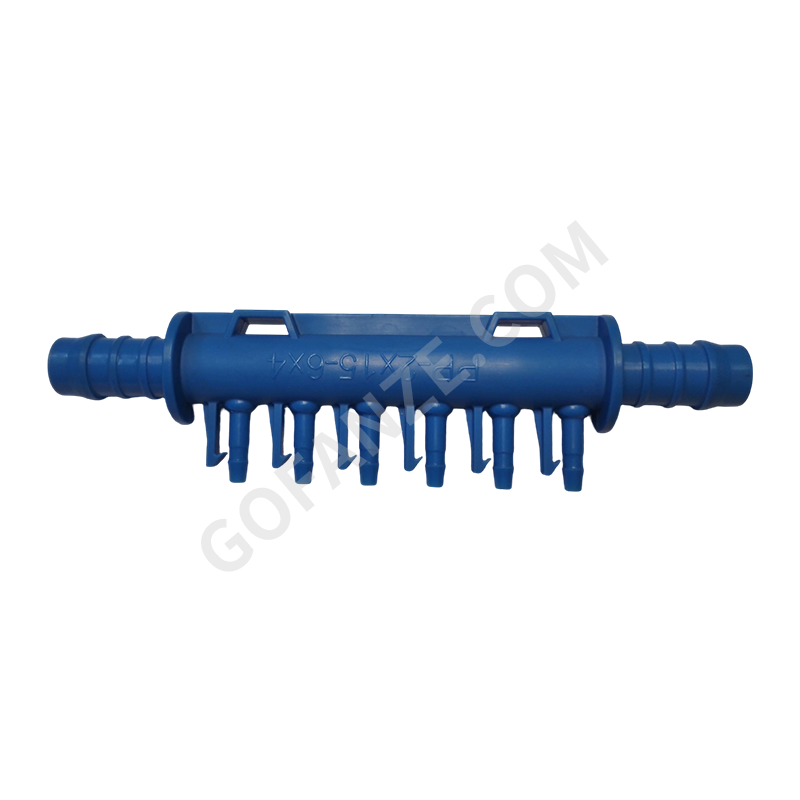
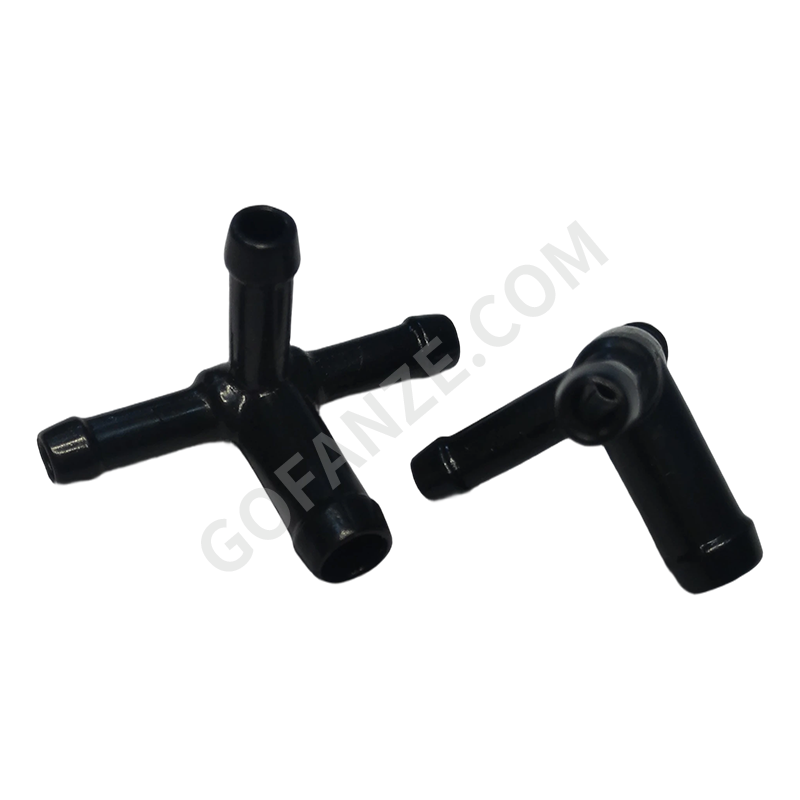
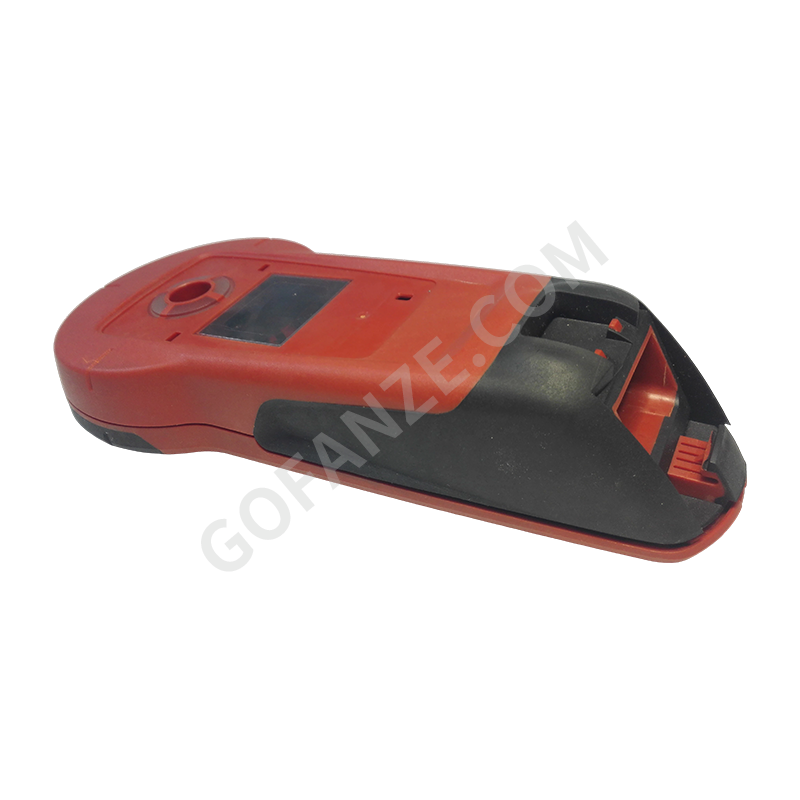
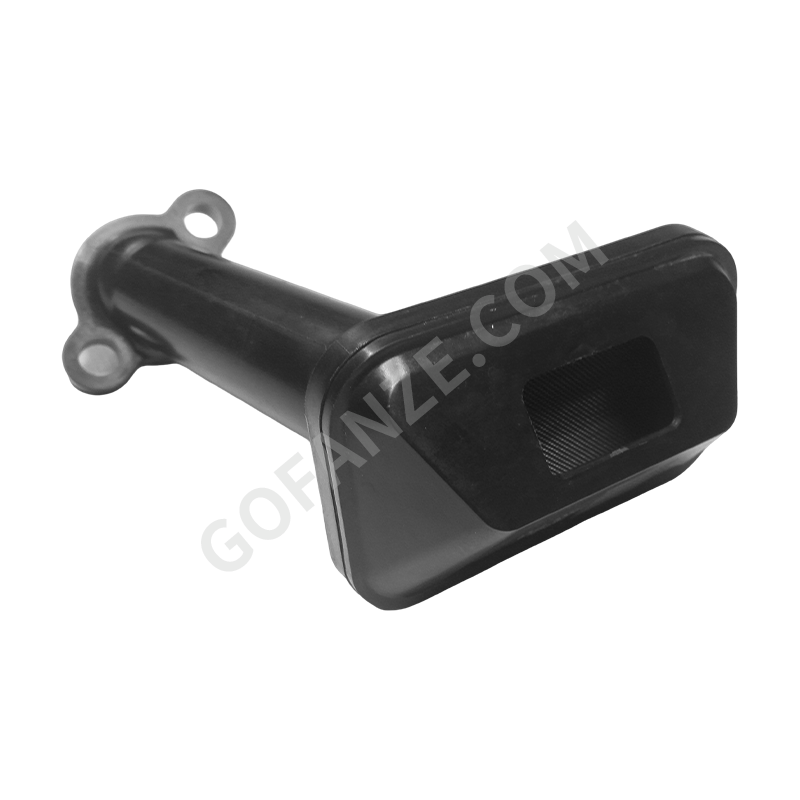
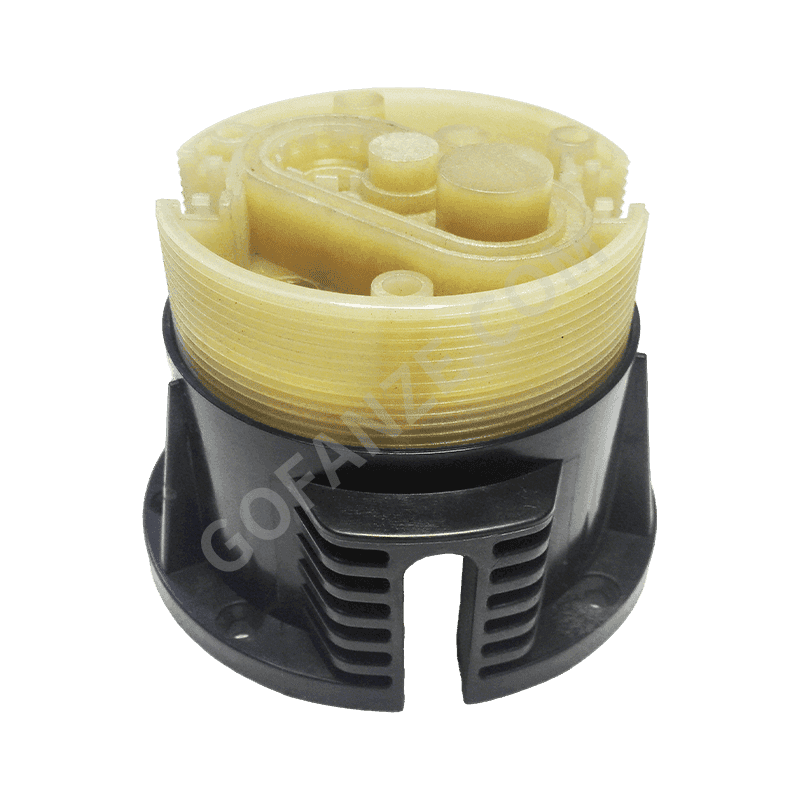
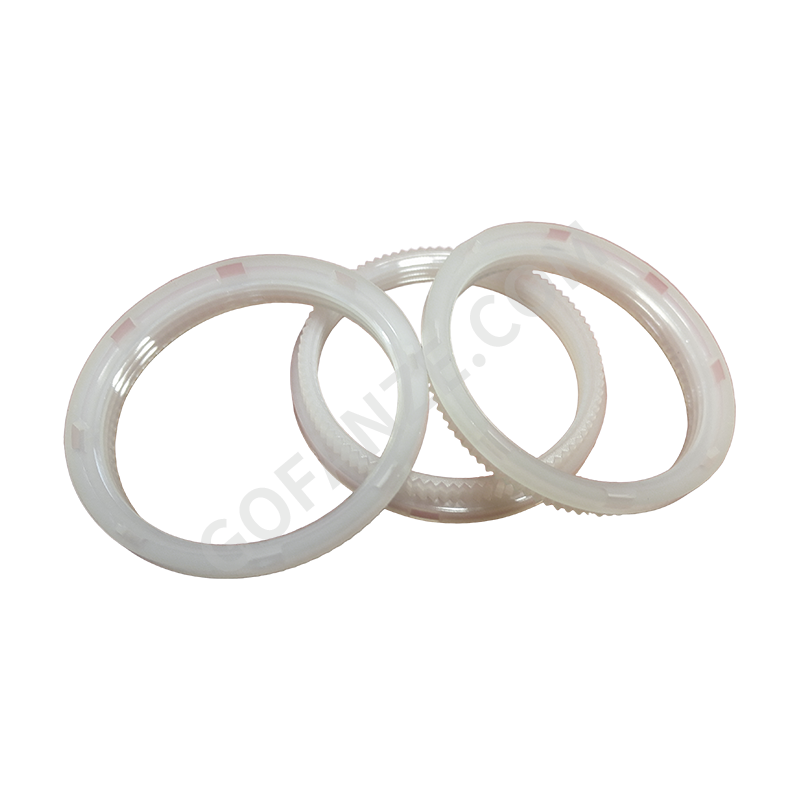
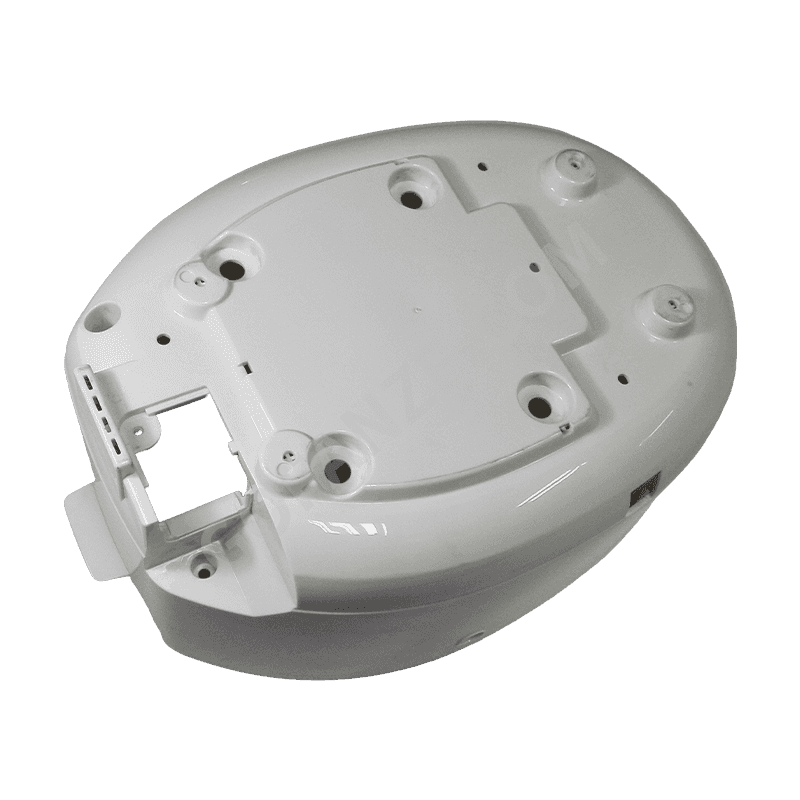
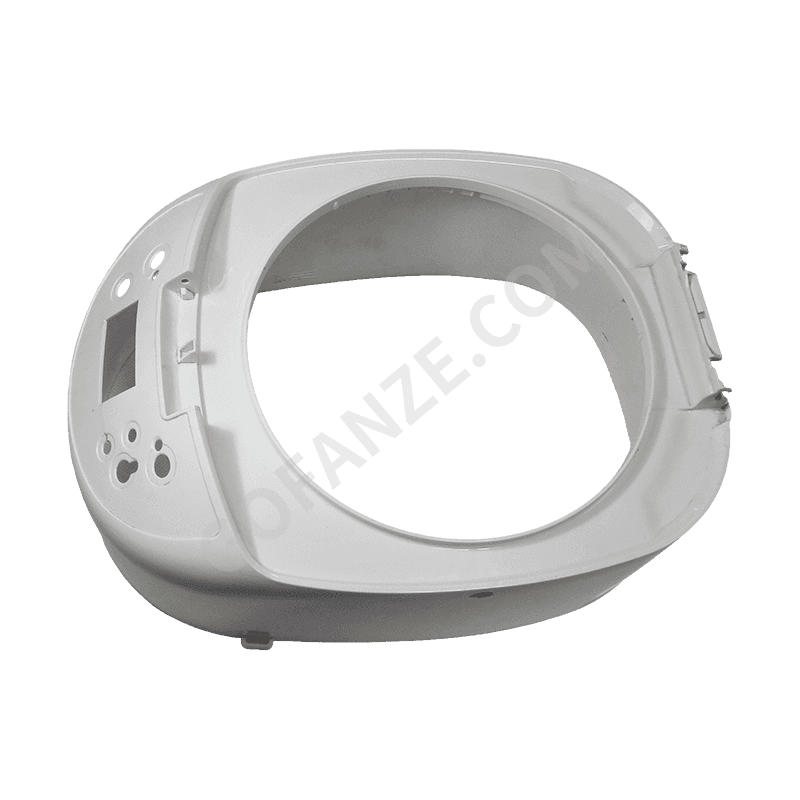
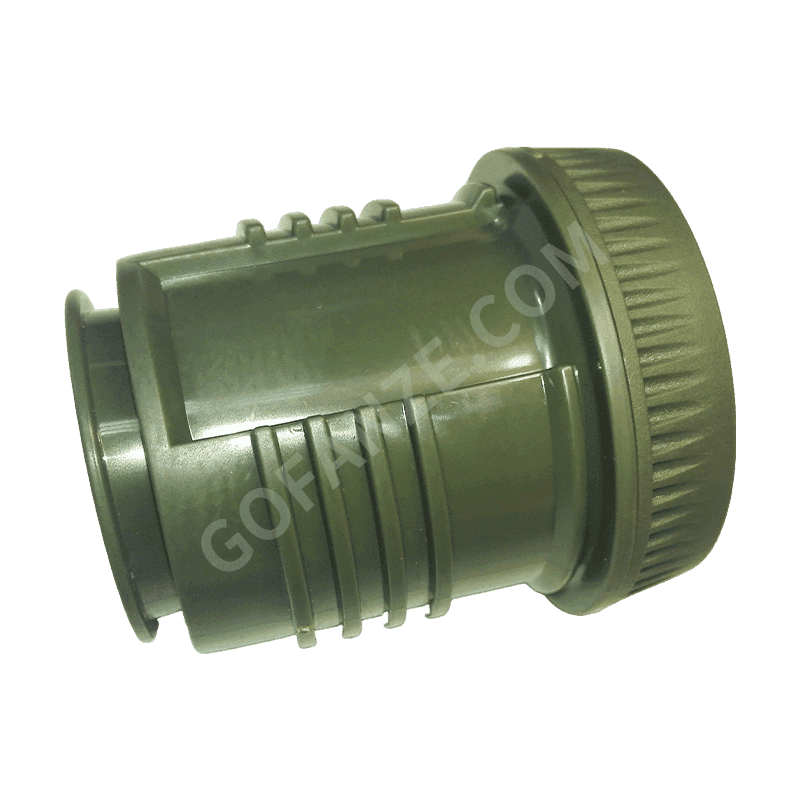
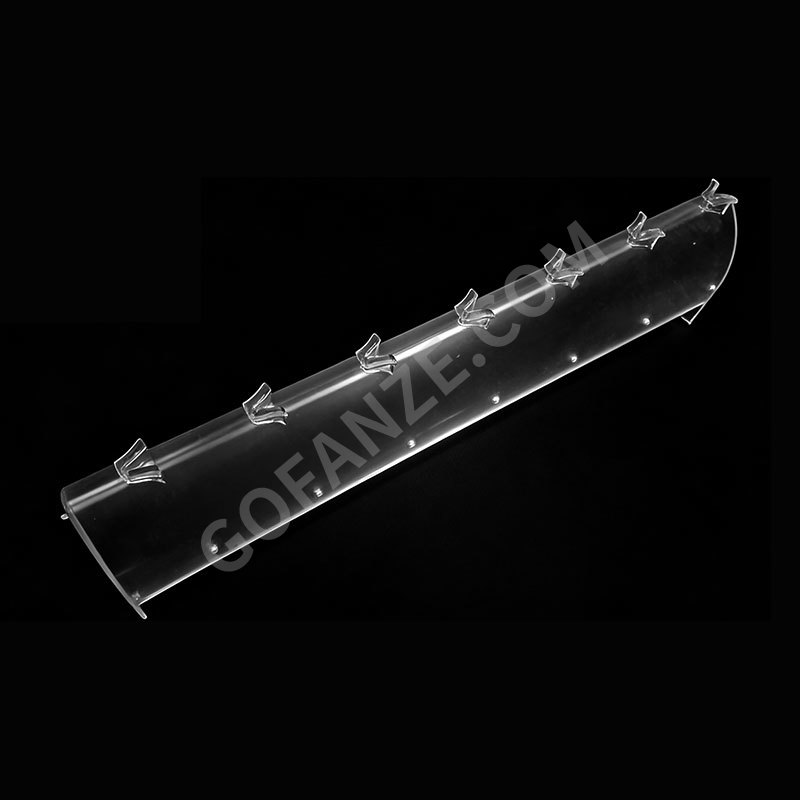
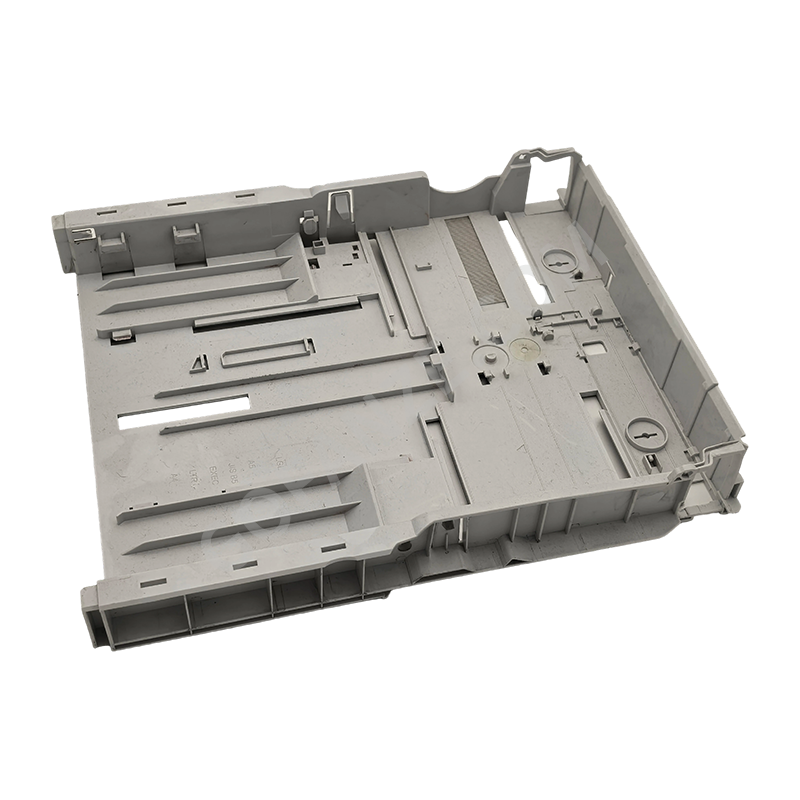
Automotive Dashboard Plastic Parts Injection Mold
The injection mold for automotive dashboard plastic parts is engineered to produce structural and decorative interior components with repeatable dimensional accuracy. This tooling system supports high-volume manufacturing of instrument panel substrates, air vent bezels, glove box frames, and trim inserts. The mold design incorporates multi-stage cooling channels and ejector mechanisms to maintain cycle stability across varying resin formulations. Steel selection and surface treatments are specified according to production runs, with hardened components for extended service intervals. The mold geometry accounts for part shrinkage, draft angles, and weld line placement to meet assembly tolerances in vehicle interior systems.
Core advantages
- Multi-cavity configurations (2+2, 4+4) reduce per-part cycle time without compromising fill balance
- Hot runner systems with valve gate sequencing prevent gate blush and minimize material waste
- Interchangeable core and cavity inserts enable rapid design iterations for variant production
- Conformal cooling channels achieve uniform temperature distribution, reducing warpage by 18–22% in ABS/PC blends
- Hardened tool steel (H13 or 1.2344) with nitriding provides resistance to abrasive fillers (glass fiber, talc)
Product characteristics
| Mold base standard | DME / HASCO / FUTABA (customizable) |
| Injection material compatibility | ABS, PC, PC/ABS, PP+GF, POM, PA6/66 |
| Clamping force range | 180 – 1600 ton |
| Surface finish | VDI 3400 texture, gloss polish, or grain pattern |
| Ejection system | Hydraulic + pneumatic ejector pins with return sensors |
| Cooling medium | Water / oil with baffle and bubble tube layouts |
| Mold life (maintenance cycle) | 500k – 1.5M shots depending on material and cavity finish |
Application scenarios
- Instrument panel carriers and cross-car beams
- Center stack bezels and HVAC vent grilles
- Glove box assemblies and storage compartment lids
- Knee bolster brackets and steering column shrouds
- Door trim upper panels and decorative inserts
- Floor console frames and cup holder housings
Common questions & solutions
- How to address sink marks on large flat surfaces?
- Optimize gate location and use sequential valve gating; increase packing pressure and extend holding time; add rib structures to distribute cooling gradients.
- What causes delamination in PC/ABS parts?
- Reduce melt temperature and screw back pressure; verify material moisture content below 0.02%; adjust injection speed to avoid shear degradation.
- How to improve weld line strength in glass-filled grades?
- Increase mold temperature near the weld zone; modify overflow wells or add venting pins; raise injection velocity to promote molecular interdiffusion.
- Solutions for part sticking during ejection?
- Apply diamond-like carbon (DLC) coating on core pins; increase draft angle on deep ribs; adjust ejector stroke sequence and timing.
- Recommended maintenance interval for high-cavitation molds?
- Perform preventive cleaning and lubrication every 80k–100k cycles; inspect gate tips and vent slots for residue; use hardness testing on critical inserts every 300k cycles.
Processing considerations
- Mold temperature control: maintain ±2°C deviation across all zones for consistent part gloss and crystallization
- Injection pressure profile: use decoupled filling (first-stage fill at 95–98% volume, second-stage pack) to reduce internal stress
- Venting depth: 0.015–0.025 mm for amorphous resins; 0.020–0.030 mm for semi-crystalline materials to prevent burn marks
- Shrinkage allowance: 0.4–0.7% for amorphous, 1.0–2.0% for crystalline (validated per material grade)
- Runner system design: balanced H‑type or X‑type layout to minimize pressure drop and shear heating


