



 English
 Français
 Español
 Deutsch
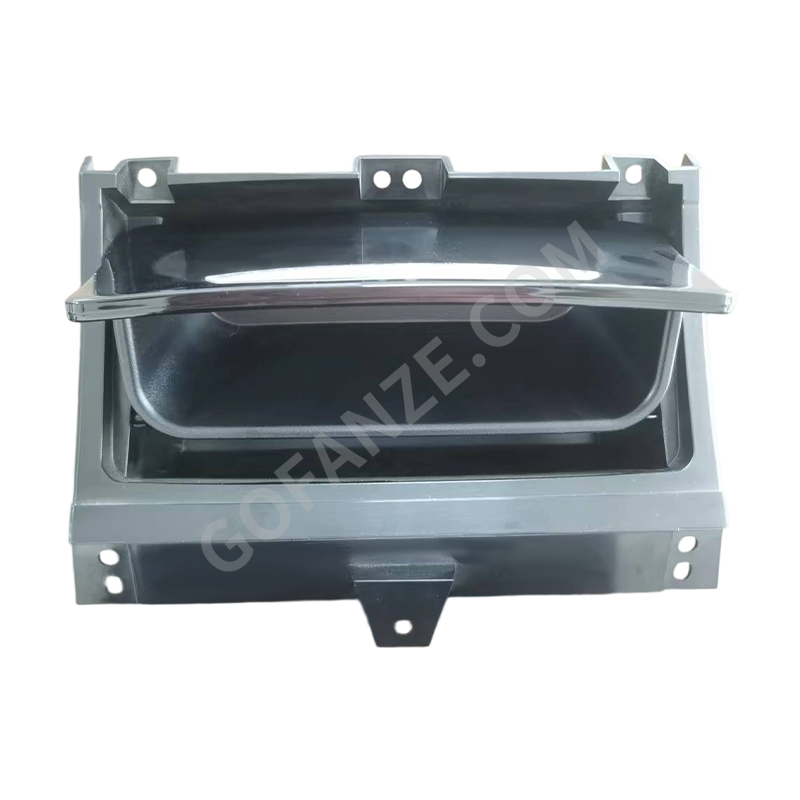
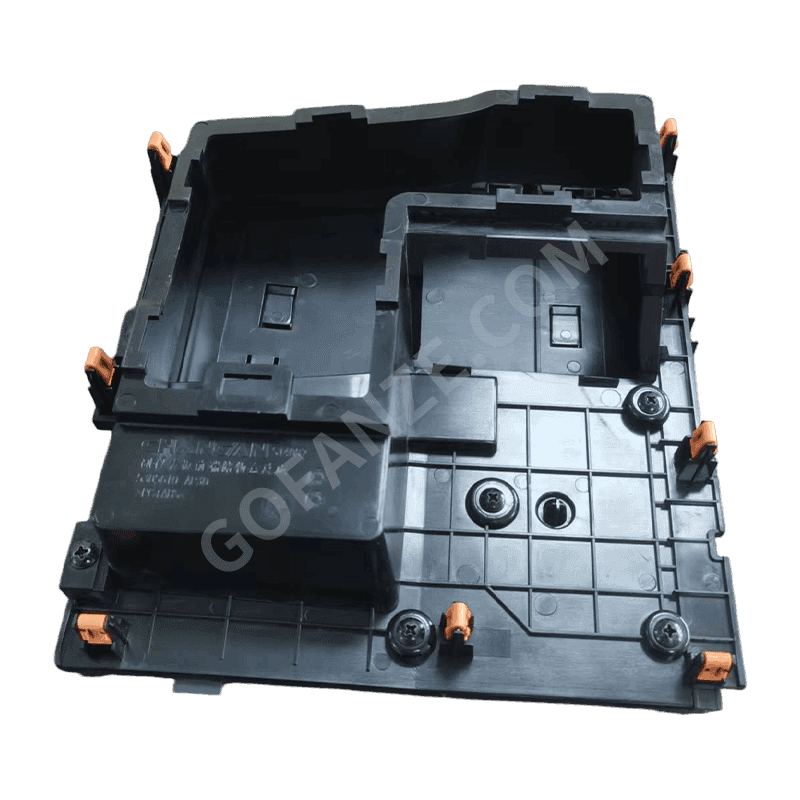
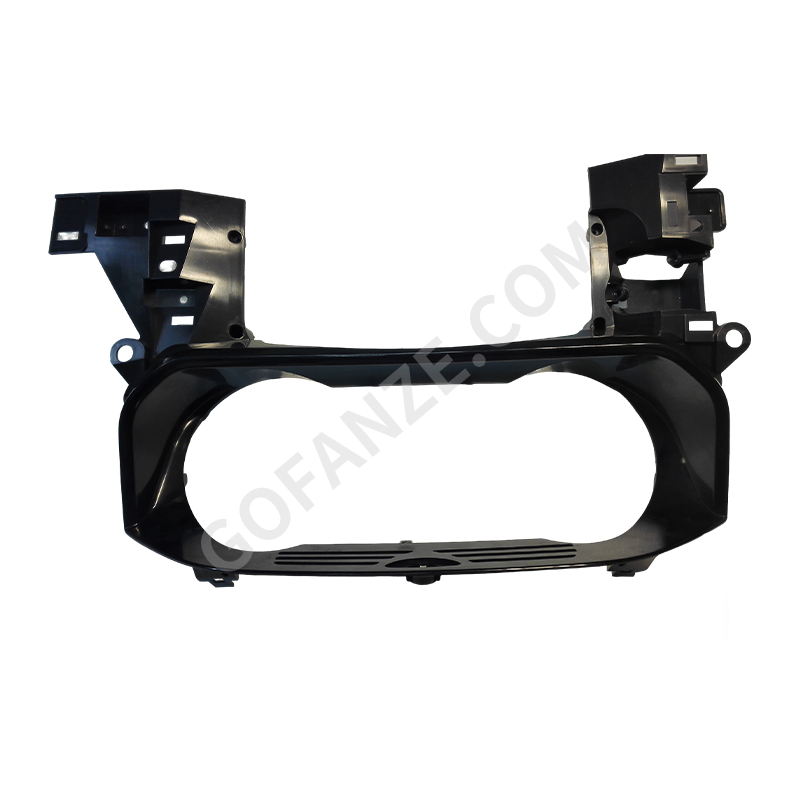
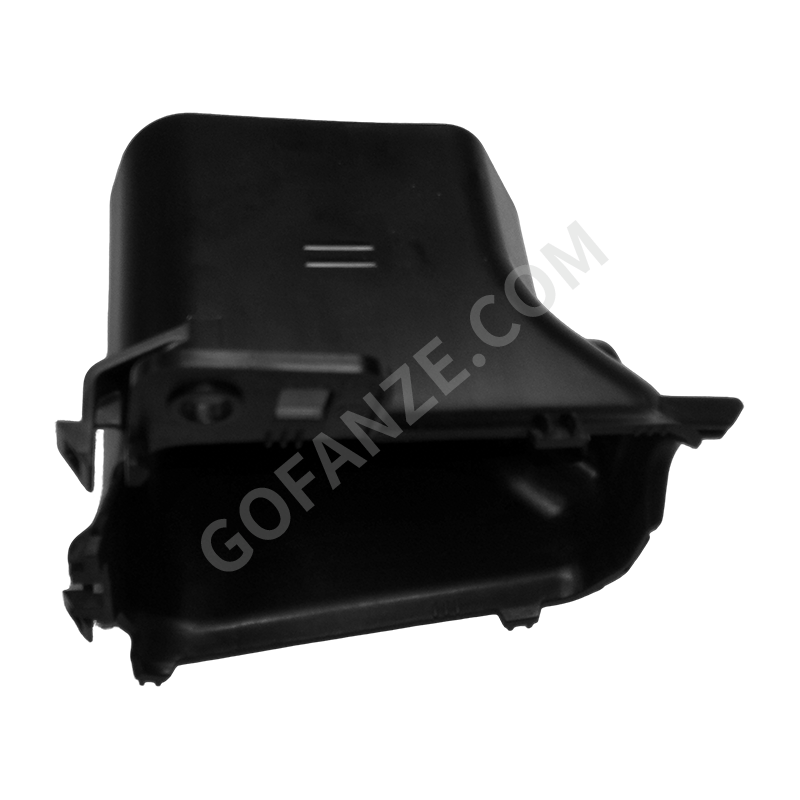

What are the key design considerations for a low-visible weld line on injection molded automotive interior parts?
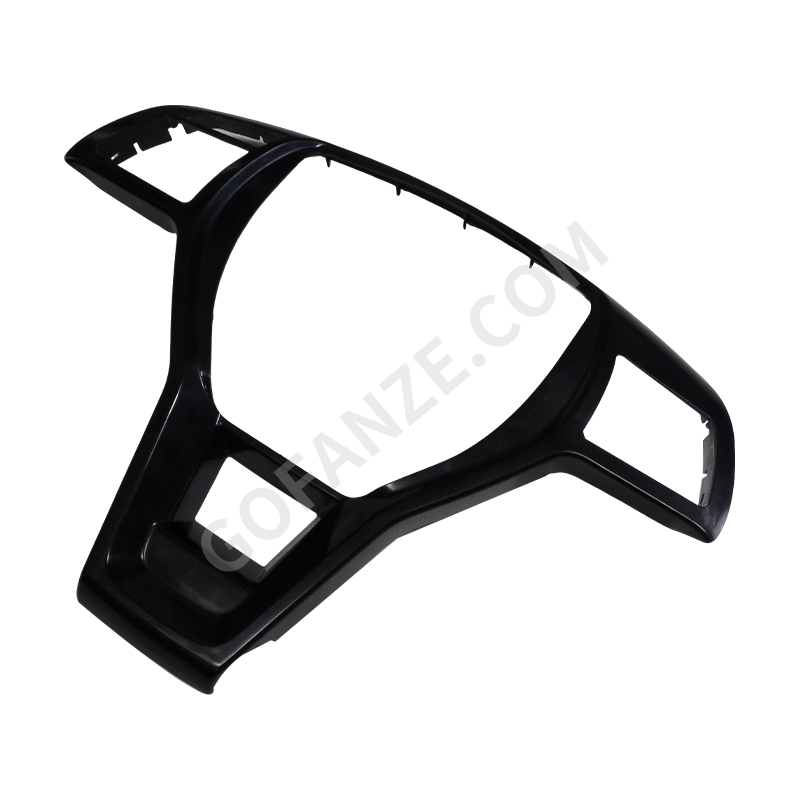
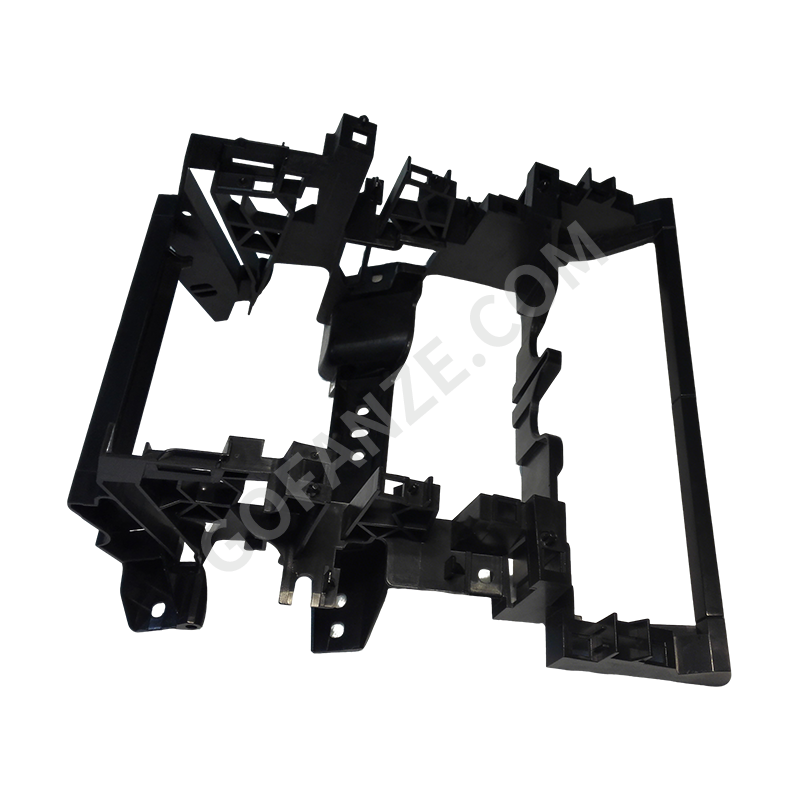
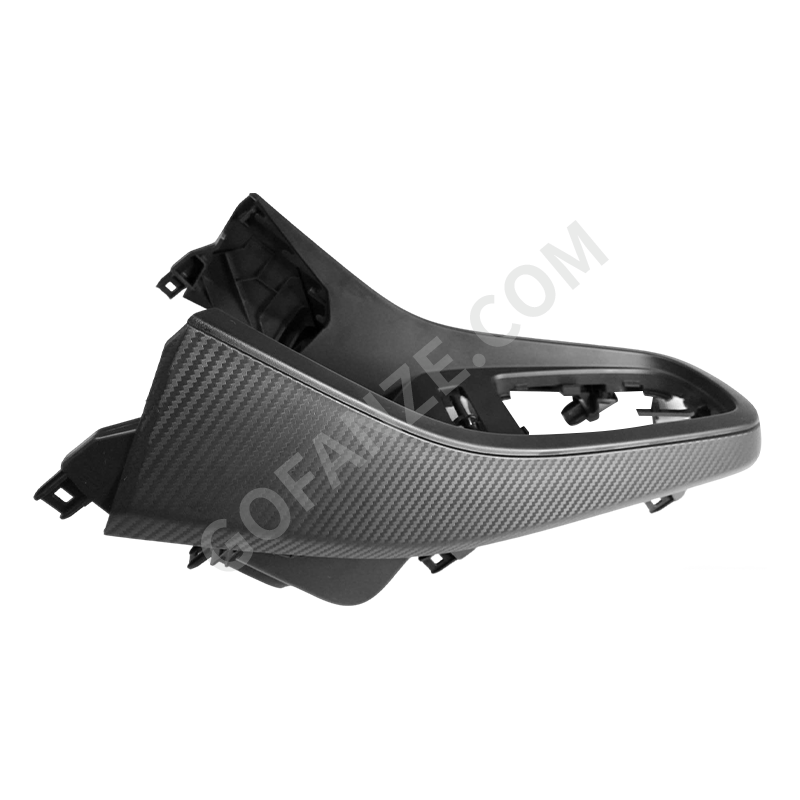
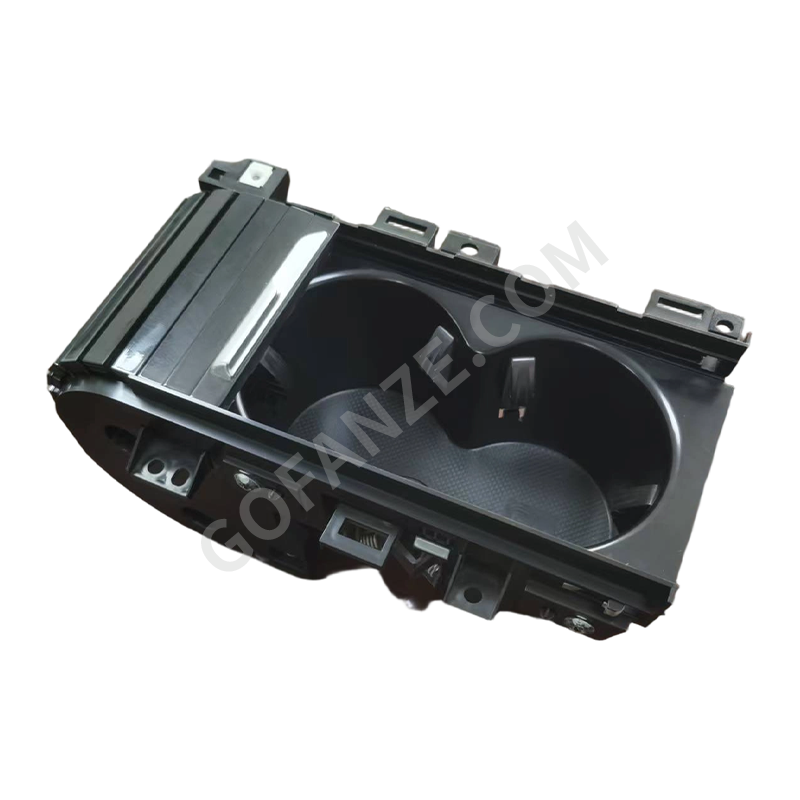
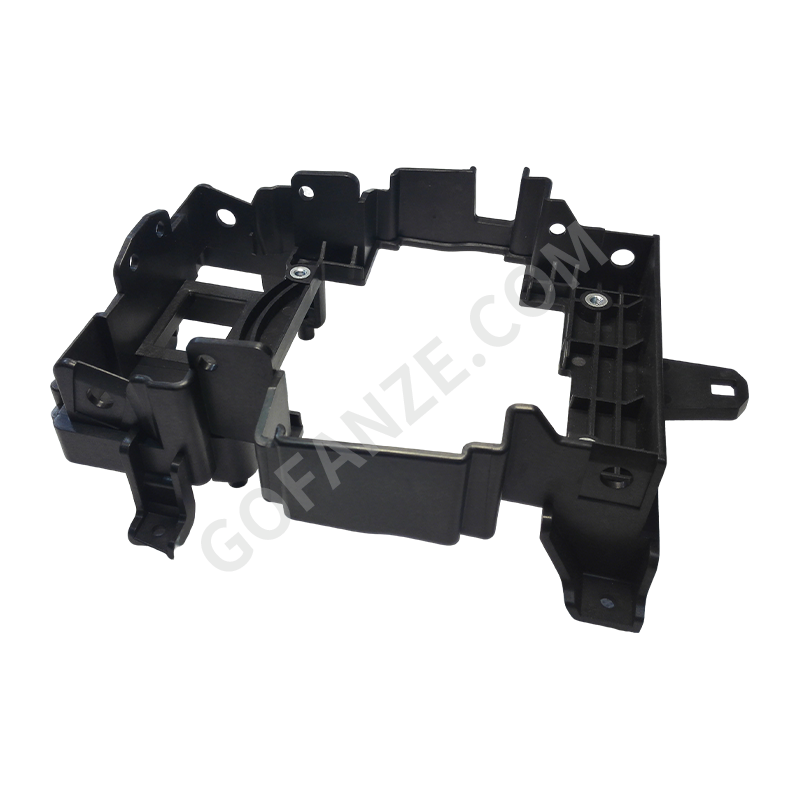
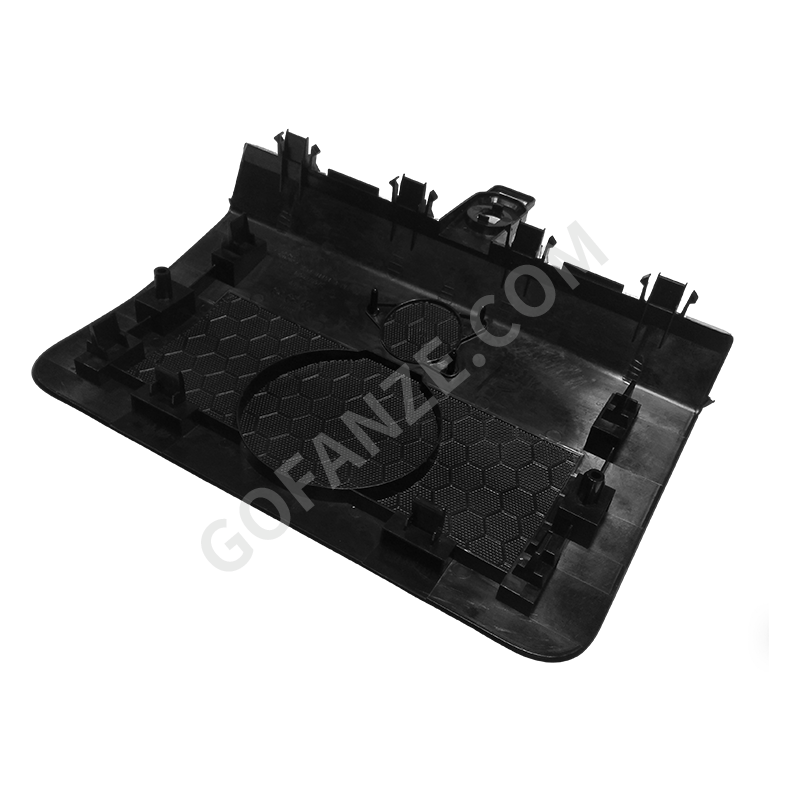
A weld line (or knit line) forms when two melt fronts meet during cavity filling, creating a visible line and potential mechanical weak point. In automotive interior parts with Class-A surfaces (e.g., door panels, instrument panel trim, glove boxes), weld lines must be minimized or rendered invisible to meet aesthetic and customer requirements.
1. Key Design Considerations for Low-Visible Weld Lines
| Consideration | Design Strategy | Typical Parameter / Effect | Application at Fanze T&M (Jiashan) Co., Ltd. |
|---|---|---|---|
| Gate location & number | Position gate(s) to move weld lines to non-visible or low-stress areas (e.g., ribs, corners, or surfaces covered by assembly). Use sequential valve gating to eliminate weld lines. | Single gate: weld line avoided. Dual gates: weld line moves to edge or hidden surface. Valve gate sequence delay: 0.1–0.5s. | Applied on door panel molds for British Land Rover, reducing visible weld lines by 90%. |
| Melt temperature & mold temperature | Increase melt temperature to improve flow front fusion. Use high mold temperature (via oil or electric heating) near weld line zone to delay skin freezing. | For PC/ABS: melt 260–280°C, mold 80–100°C. For PP+EPDM-T20: melt 220–240°C, mold 50–70°C. | Implemented on instrument panel trim for SAIC, achieving weld line strength >85% of base material. |
| Venting design | Add deep venting (0.02–0.04 mm depth) at weld line location to allow trapped air and volatiles to escape, improving fusion. | Venting land length 3–5 mm, followed by 0.5–1.0 mm deep relief channel. Vacuum assist optional for critical areas. | Used on glove box molds for Changan, eliminating burn marks and reducing weld line visibility by 70%. |
| Melt flow front velocity | Use injection profiling: slower speed just before weld line formation to allow air escape, then higher speed to force fusion. | Typical profile: 80% speed for first 95% fill, then 60% speed for 3%, then 100% for final 2%. | Standard practice for all visible automotive interior molds at Fanze T&M (Jiashan) Co., Ltd. |
| Part wall thickness transition | Avoid abrupt thickness changes near weld line. Use gradual transition (≤30% thickness change per 10 mm length) to prevent flow hesitation. | Ratio thick/thin ≤1.5:1. Transition radius ≥3 mm. | Designed into charging pile bezels (PC/ASA) for ABB, achieving no visible weld line under grazing light. |
2. Typical Parameters for Low-Weld-Line Automotive Interior Materials
| Material | Melt Temperature Range (°C) | Mold Temperature Range (°C) | Recommended Vent Depth (mm) | Weld Line Visibility Reduction |
|---|---|---|---|---|
| PC/ABS (e.g., Bayblend T65) | 260–280 | 80–100 | 0.02–0.03 | Up to 80% (with valve gating) |
| PP+EPDM-T20 (e.g., Hifax) | 220–240 | 50–70 | 0.03–0.04 | 60–75% |
| ABS (e.g., LG ABS HF380) | 230–250 | 60–80 | 0.02–0.04 | 50–65% |
| PMMA+ASA (e.g., SABIC Cycoloy) | 250–270 | 70–90 | 0.02–0.03 | 85% (highly critical for high-gloss surfaces) |
Note: Values are typical for automotive interior parts with Class-A surface requirements, based on IATF16949 process capability and Japanese/German injection molding machines used at Fanze T&M (Jiashan) Co., Ltd.
3. FAQs
FAQ 1: Can weld lines be completely eliminated on automotive interior parts? What does Fanze T&M (Jiashan) Co., Ltd. recommend?
A: Complete elimination is only possible with single-gate designs, which may not be feasible for large or complex parts. For most automotive interior applications, the goal is to render weld lines low-visible (not noticeable under grazing light or to the naked eye). Fanze T&M (Jiashan) Co., Ltd. recommends a combination of valve gate sequencing, high mold temperature, and optimized venting. For the best results, the company offers automotive interior plastic parts injection mold solutions that include mold flow analysis to predict and reposition weld lines before steel is cut.
FAQ 2: Does weld line strength correlate with visibility? How does Fanze T&M (Jiashan) Co., Ltd. ensure both strength and appearance?
A: Yes. A more visible weld line usually indicates poor fusion, which reduces mechanical strength (down to 30–80% of base material). Fanze T&M (Jiashan) Co., Ltd. uses the following to achieve both low visibility and high strength:
- Injection profiling (slow–fast–slow) to improve molecular interdiffusion.
- Hot runner with valve gates to control flow front convergence angle (target >120°).
- Vacuum venting for critical safety-related interior parts (e.g., airbag covers).
The company has successfully delivered such solutions to British Land Rover and Triumph Motorcycles, meeting both PV1200 (thermal cycling) and visual inspection standards.
FAQ 3: What experience does Fanze T&M (Jiashan) Co., Ltd. have in automotive interior molds specifically for low-weld-line design?
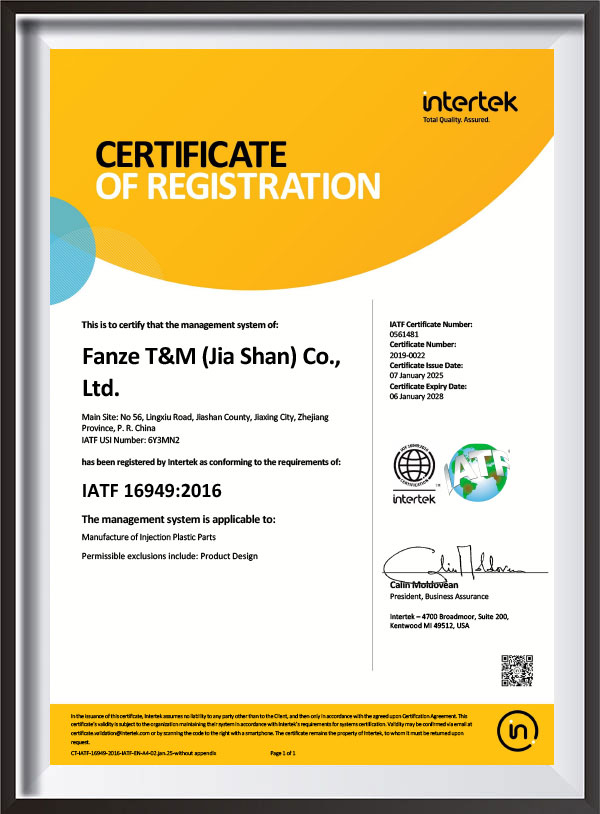
A: Fanze T&M (Jiashan) Co., Ltd. was founded in 2005 and specializes in precision injection molds and injection parts. The company moved to Guigu Park, Jiashan County in 2016, with a 14,000 m² usable plant area and about 100 employees. It owns imported CNC, EDM, slow-moving wire cutting machines, and high-performance injection molding equipment from Japan and Germany. The company is IATF16949 certified. Specific experience includes:
- Over 50 automotive interior mold projects delivered for SAIC, Changan, and British Land Rover.
- Successfully reduced weld line visibility on PP+EPDM instrument panel trim from visible (grade 3) to near invisible (grade 1 under ASTM D2457).
- Used Moldflow analysis as standard practice for all Class-A surface parts.
The company adheres to the quality policy of "precision, high efficiency, casting quality" and has won high praise from domestic and international customers.


