



 English
 Français
 Español
 Deutsch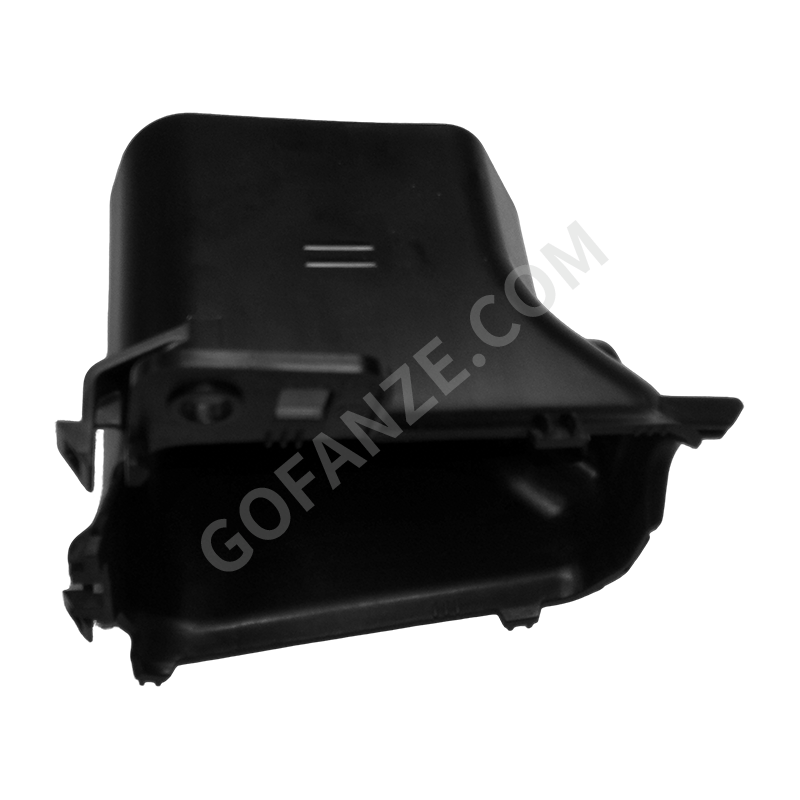
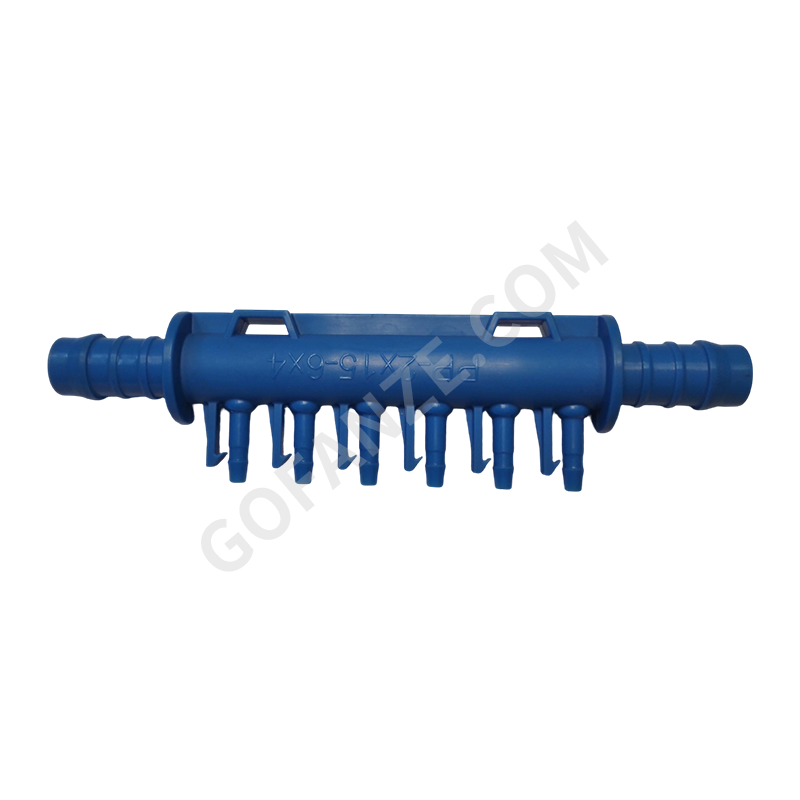
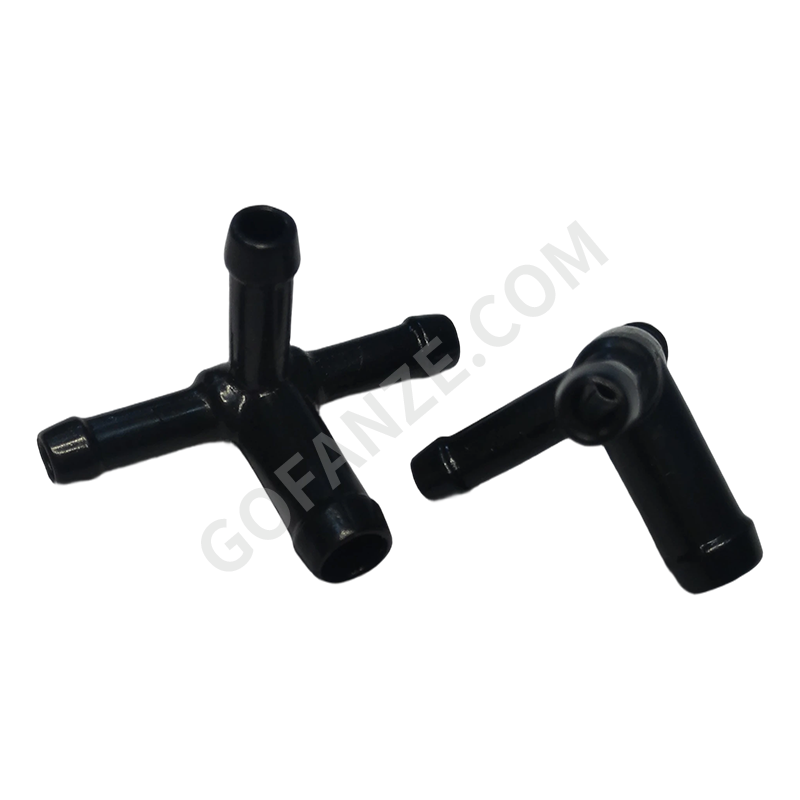
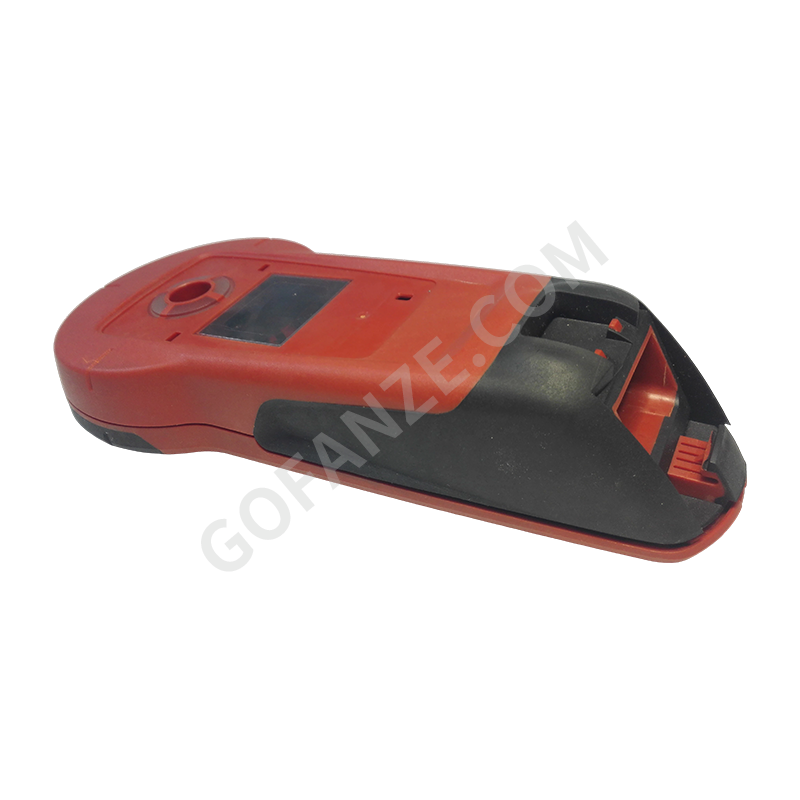
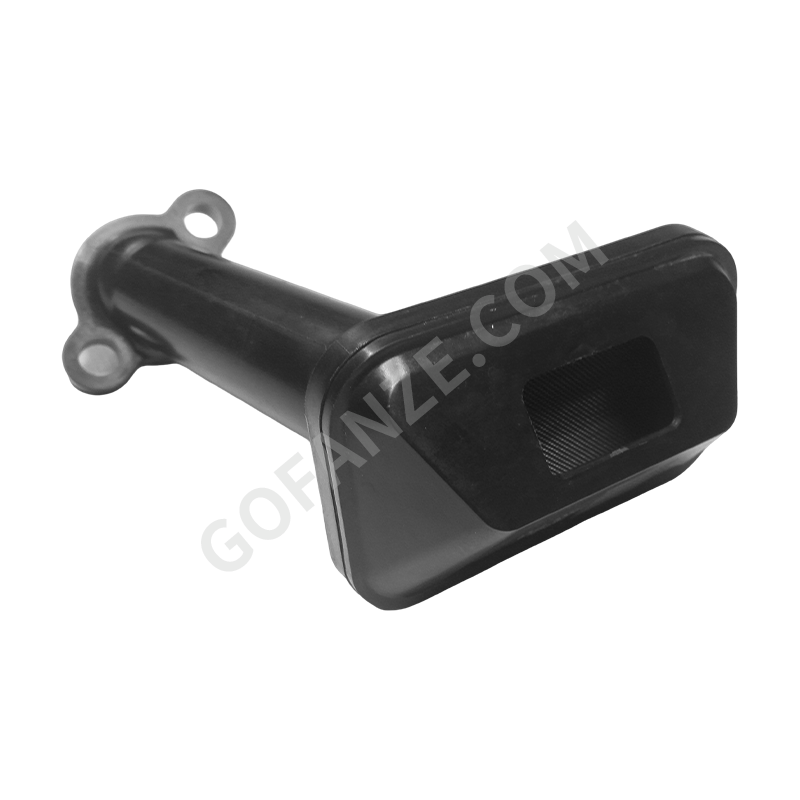
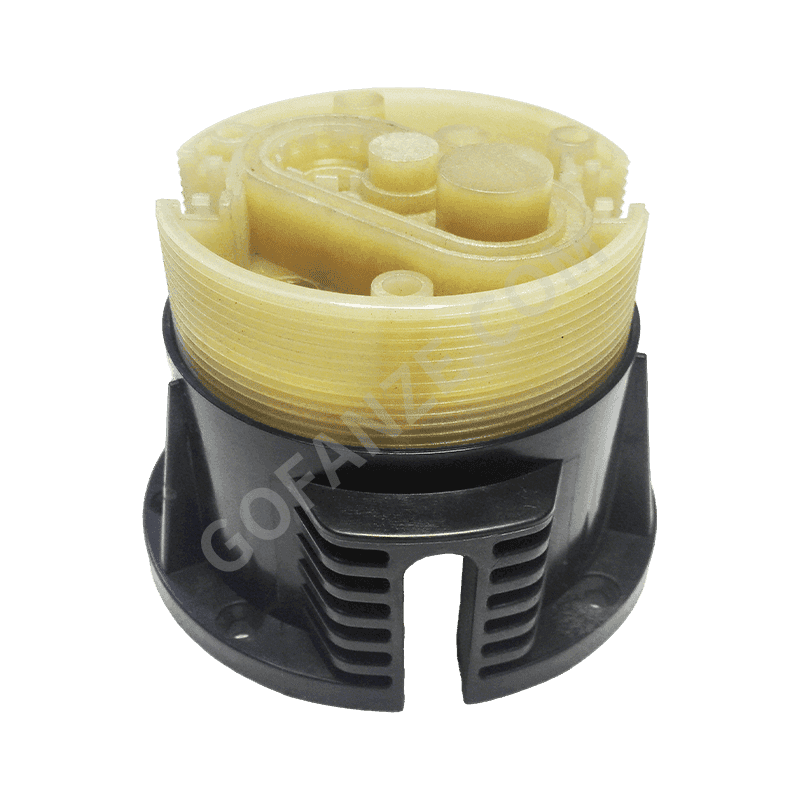
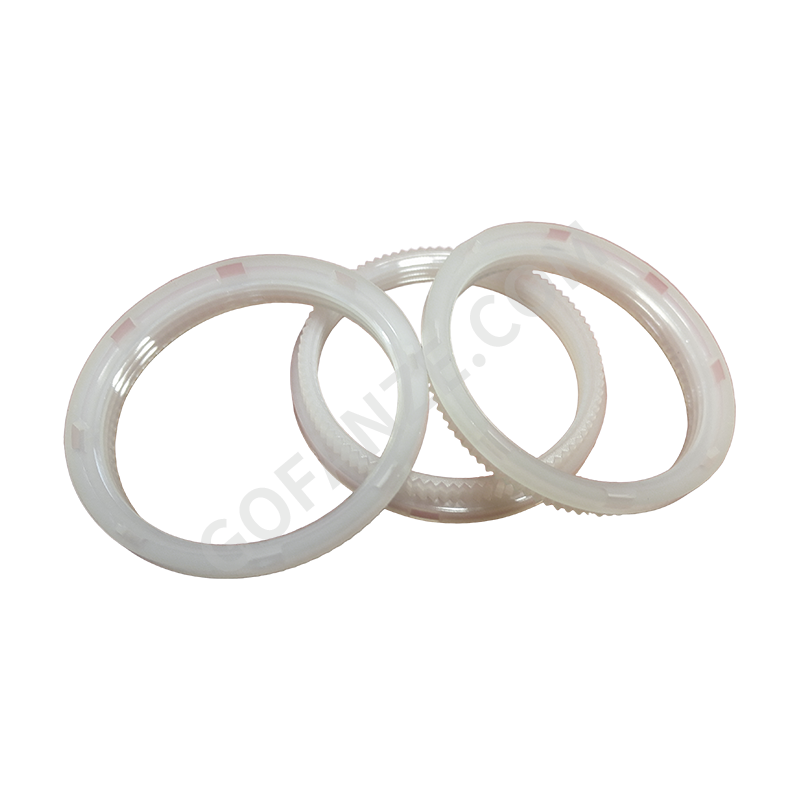
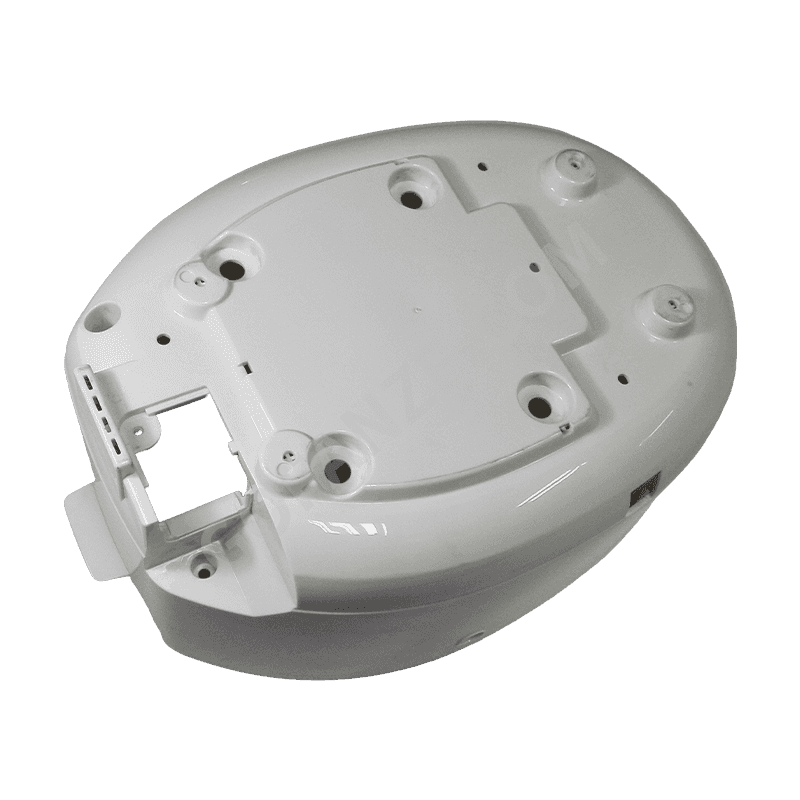
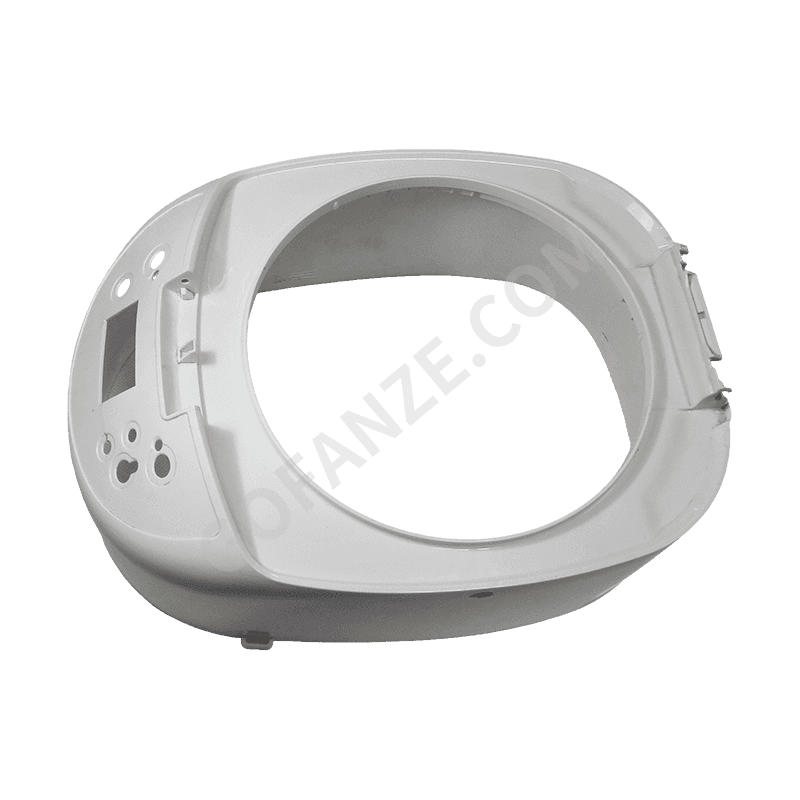
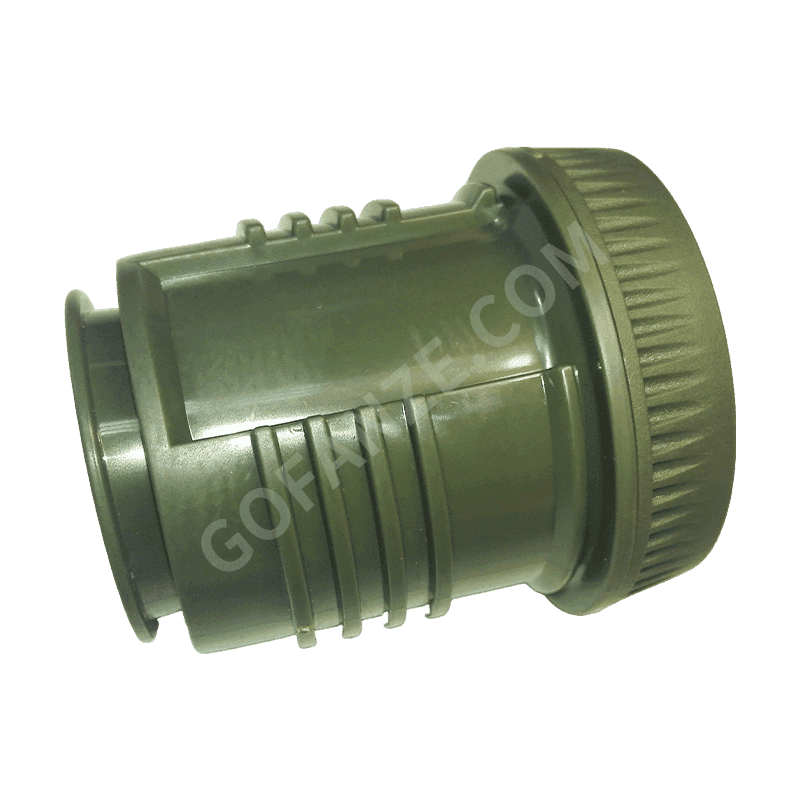
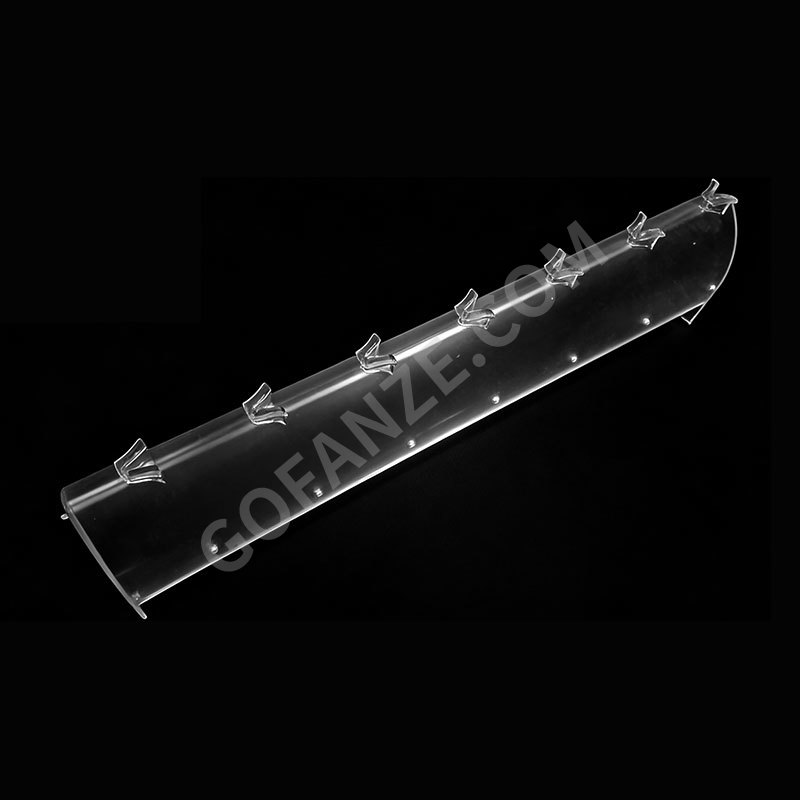
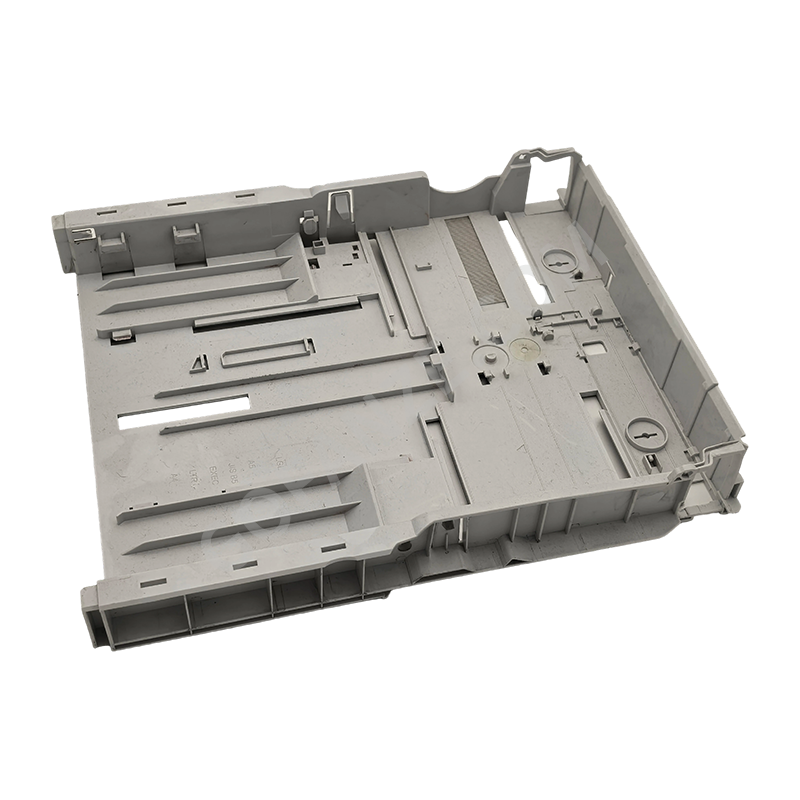
Automotive Interior Trim Plastic Parts Injection Mold
The injection mold for automotive interior trim plastic parts is developed for producing decorative and functional components including instrument panel trim strips, door insert panels, pillar covers, seat side trims, and headliner bezels. This tooling system supports high-gloss, matte, and textured surface finishes with precision grain replication. The mold architecture integrates sliding cores, lifters, and hot runner systems with edge-gate sequencing to manage thin-wall geometries and varying wall thicknesses. Steel selection includes P20 and 1.2344 grades with nitriding for wear resistance. The cooling design employs conformal circuits with turbulator inserts to achieve uniform heat extraction across large surface areas. Ejection strategies combine ejector pins, air poppets, and stripper plates to ensure damage-free demolding of decorative surfaces.
Core advantages
- Texture replication accuracy: VDI 3400 grain reproduction with ±1 micron fidelity
- Multi-material compatibility: 2K / overmolding capability for soft-touch surfaces
- Interchangeable cavity inserts for model-year design variations
- High-gloss polishing (SPI A1) for piano-black trim components
- Conformal cooling with turbulator inserts reduces cycle time by 15–20%
- Wear-resistant coatings (TiN, CrN, DLC) on sliding and core surfaces
- Hydraulic core pulling with position monitoring for precision alignment
Product characteristics
| Mold base standard | DME / HASCO / FUTABA (customizable) |
| Injection material compatibility | ABS, PC, PC/ABS, PMMA, PP, PA6 |
| Clamping force range | 150 – 1200 ton |
| Surface finish | SPI A1 (gloss), VDI 3400, leather grain, matte |
| Ejection system | Ejector pins + air poppets + stripper plate |
| Cooling medium | Water / oil with conformal turbulator circuits |
| Mold life (maintenance cycle) | 500k – 1.5M shots based on material and surface finish |
Application scenarios
- Instrument panel trim strips and decorative inserts
- Door panel upper trim and insert bezels
- Pillar cover trims (A, B, C pillars)
- Seat side trim panels and adjuster covers
- Headliner bezels and overhead console surrounds
- Steering wheel trim and horn pad covers
- HVAC vent louvers and register rings
- Gear shift surround trim and boot rings
Common questions & solutions
- How to achieve consistent gloss on high-polish trim parts?
- Maintain mold temperature within ±2°C across all zones; use high-speed injection with V/P switch at 95–98% fill; apply compressed air cooling after ejection to prevent surface marking.
- What causes flow lines on textured trim surfaces?
- Increase injection speed and melt temperature; verify venting depth (0.015–0.020 mm); adjust gate position to promote balanced flow front progression.
- Solutions for grain loss on textured inserts?
- Apply hard chrome or PVD coating on texture surfaces; schedule preventive maintenance every 150k cycles; use acid-free mold cleaners for texture preservation.
- How to prevent part distortion in thin-wall trim sections?
- Optimize cooling channel placement; reduce holding pressure after gate seal; use ribbed structures to enhance rigidity without increasing wall thickness.
- Recommended maintenance for high-gloss cavities?
- Inspect and repolish cavities every 200k cycles; use diamond polishing compounds; avoid abrasive cleaning methods that scratch mirror surfaces.


