



 English
 Français
 Español
 Deutsch

Why is weather resistance (UV / moisture / thermal shock) a critical consideration for outdoor EV charging pile injection molds?
Outdoor EV charging piles are exposed to direct sunlight, rain, humidity, and extreme temperature fluctuations (-40°C to +85°C or wider). The plastic enclosures and connectors must maintain mechanical strength, electrical insulation, dimensional stability, and color appearance for 10–20 years. Poor weather resistance leads to surface degradation (chalking, cracking), loss of flame retardancy, moisture ingress into electronics, and thermal expansion mismatch — all of which are safety risks in high-voltage charging equipment. Therefore, weather resistance directly impacts material selection, mold surface treatment, and process design for EV charging pile injection molds.
1. Key Weather Resistance Factors and Their Effects
| Environmental Factor | Degradation Mechanism | Consequence for Charging Pile | Typical Requirement |
|---|---|---|---|
| UV radiation (sunlight) | Photo-oxidation of polymer chains (especially in PP, ABS, PC/ABS). | Surface chalking, yellowing, cracking, loss of impact strength → reduced IP protection and aesthetics. | UV stability test: SAE J2527 or ISO 4892-2 (≥2000h, ΔE ≤3, no cracking). |
| Moisture / humidity | Hydrolysis of ester or amide groups (e.g., in PBT, PA66, PET). Absorption leads to dimensional swelling and reduced dielectric strength. | Electrical clearance reduction (risk of tracking/arc), connector fit loosening, corrosion of terminals. | Water absorption ≤0.5% (saturated), dielectric strength retention ≥80% after 85°C/85% RH, 1000h. |
| Thermal shock (cycling) | Coefficient of thermal expansion (CTE) mismatch between plastic, metal inserts, and PCB. Micro-cracks initiate at interfaces. | Seal failure (ingress of dust/water), loose terminal connections, intermittent charging faults. | Thermal shock: -40°C ↔ +85°C, 10 cycles, 30 min dwell, no cracks or leakage. |
2. Material Selection & Design Parameters for Weather-Resistant EV Charging Pile Molds
| Property / Standard | PP+30%GF+FR (general outdoor) | PC/ASA+10%GF (high UV) | PA66+25%GF+FR (high CTI) | PBT+30%GF+FR (high dimensional stability) |
|---|---|---|---|---|
| UV resistance (SAE J2527, 2000h) | ΔE ≤2, no cracking | ΔE ≤1.5, no cracking | ΔE ≤3 (with UV stabilizer) | ΔE ≤2.5 |
| Moisture absorption (24h, 23°C) | <0.1% | 0.15% | 0.6–0.8% | 0.08% |
| CTE (μm/m·°C) | 40–60 | 50–70 | 25–40 | 20–35 |
| Thermal shock pass rate (10 cycles) | 99% (with proper metal insert design) | 98% | 95% (requires annealing) | 99% |
| Common applications in charging pile | Main housing (non-UV critical area) | Upper cover / display bezel | Socket body (high CTI ≥ 600V) | Internal structural parts / terminal blocks |
Note: Data based on outdoor charging pile specifications from ABB, Star Charge, and SAE standards. Fanze T&M (Jiashan) Co., Ltd. validates these parameters on its IATF16949-controlled processes.
3. How Fanze T&M (Jiashan) Co., Ltd. Ensures Weather Resistance in EV Charging Pile Molds
- Material verification: Works with approved resin suppliers (e.g., SABIC, BASF, DuPont) that provide UV-stabilized and hydrolysis-resistant grades with full UL yellow card data.
- Mold surface treatment: For PC/ASA and PBT materials, applies hard chrome or PVD coating on cavity surfaces to resist corrosive by-products from UV degradants.
- Mold design for thermal shock: Uses metal insert encapsulation simulation to optimize wall thickness around terminals (minimum 2.5mm) and adds stress-relief ribs to accommodate CTE mismatch.
- Validation testing: Carries out in-house accelerated weathering (QUV), 85°C/85% humidity, and thermal shock testing on first articles before mass production.
4. Three FAQs (including company introduction)
FAQ 1: Can general-purpose plastics (e.g., ABS or unmodified PP) be used for outdoor EV charging pile enclosures?
A: Not recommended. ABS degrades rapidly under UV (ΔE >5 within 500h) and PP without UV stabilizer cracks in less than 12 months. Fanze T&M (Jiashan) Co., Ltd. supplies EV charging pile plastic injection mold solutions using only weather-resistant engineering plastics such as PC/ASA, ASA+GF, or specially stabilized PA66/PBT. The company has delivered such molds to ABB charging stations and domestic EV infrastructure projects, with field performance exceeding 6 years without visible degradation.
FAQ 2: How does Fanze T&M (Jiashan) Co., Ltd. prevent moisture-related dimensional changes in PA66 for charging pile connectors?
A: PA66 absorbs moisture (up to 2.5% saturated), which can expand critical dimensions by 0.2–0.4%. Fanze T&M (Jiashan) Co., Ltd. prevents functional issues by:
- Design compensation: Reducing critical dimensions by 0.15–0.25% based on Moldflow hygroscopic expansion simulation.
- Post-mold conditioning: Humidifying parts to equilibrium (2.0–2.5% moisture) before assembly or measurement.
- Alternative materials: Recommending PBT or PA6T/6I for applications where moisture stability is critical.
The company's IATF16949 quality system ensures full traceability and process control for all hygroscopic materials.
FAQ 3: What weather resistance testing does Fanze T&M (Jiashan) Co., Ltd. perform on EV charging pile molds and parts?
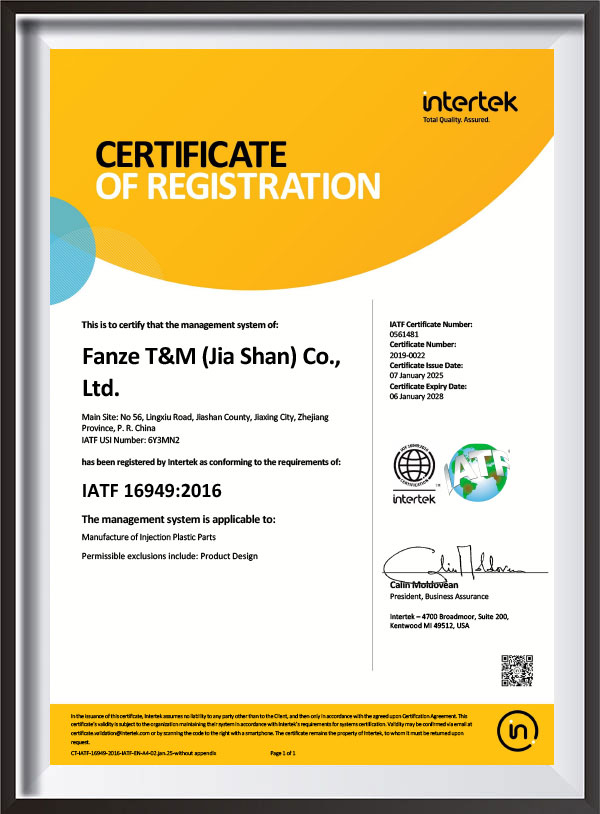
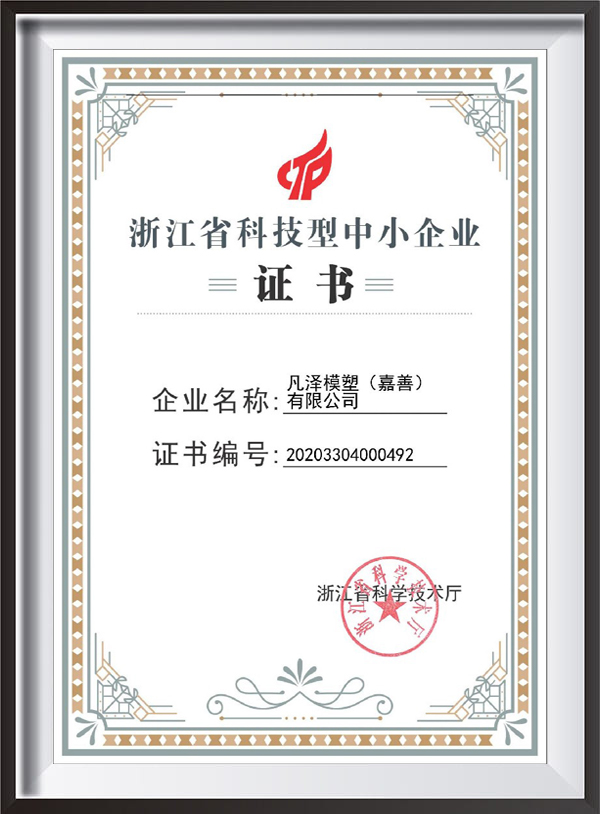
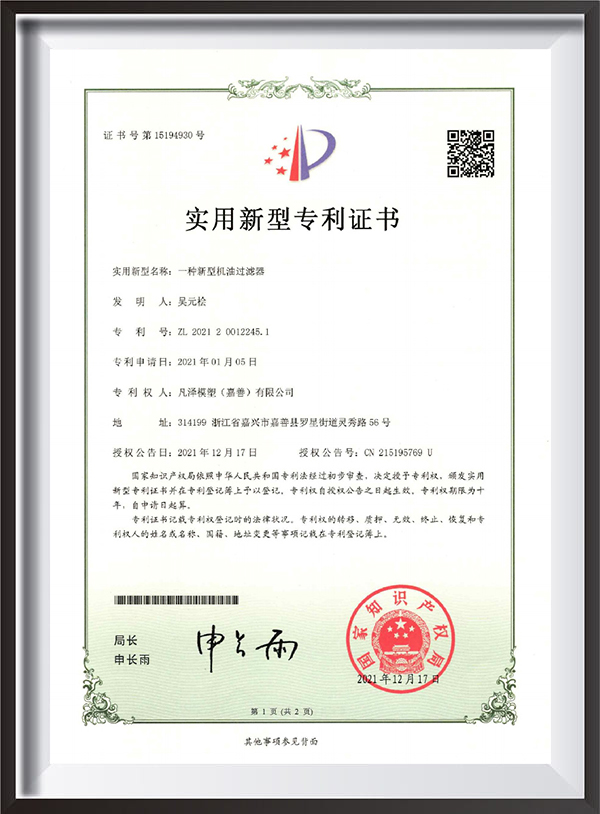
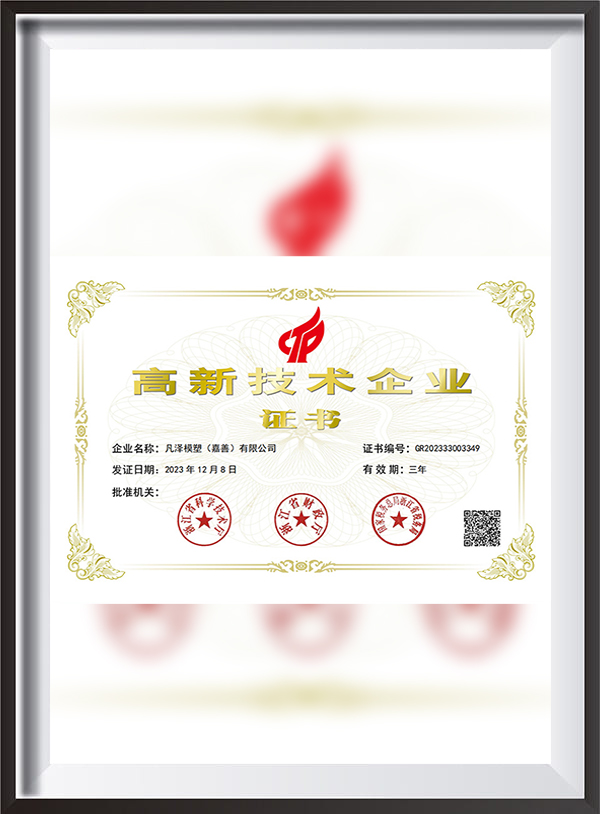
A: Fanze T&M (Jiashan) Co., Ltd. was founded in 2005 and specializes in precision injection molds and injection parts. The company moved to Guigu Park, Jiashan County in 2016, with a 14,000 m² usable plant area and about 100 employees. It owns imported CNC, EDM, slow-moving wire cutting machines, and high-performance injection molding equipment from Japan and Germany. The company is IATF16949 certified and supplies products to British Land Rover, Triumph Motorcycles, Changan, ABB, and Japanese Tiger Electric.
For EV charging pile projects, the company offers the following validation tests (third-party or in-house):
- UV aging: ISO 4892-2 (Xenon lamp, 2000h) – color and gloss retention.
- Damp heat test: 85°C / 85% RH, 1000h – dimensional change & dielectric strength.
- Thermal shock: -40°C to +85°C, 10 cycles – crack inspection with dye penetrant.
- Combined weathering: SAE J2527 (UV + moisture + heat cycling) for complete housing assemblies.
The company adheres to the quality policy of "precision, high efficiency, casting quality" and has won high praise from customers worldwide.


