



 English
 Français
 Español
 Deutsch
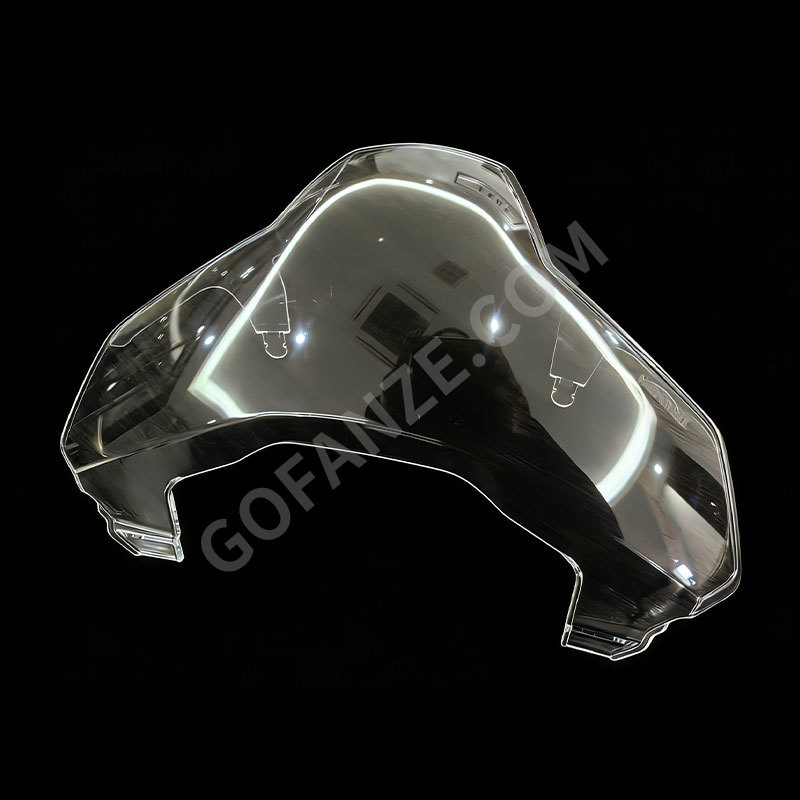
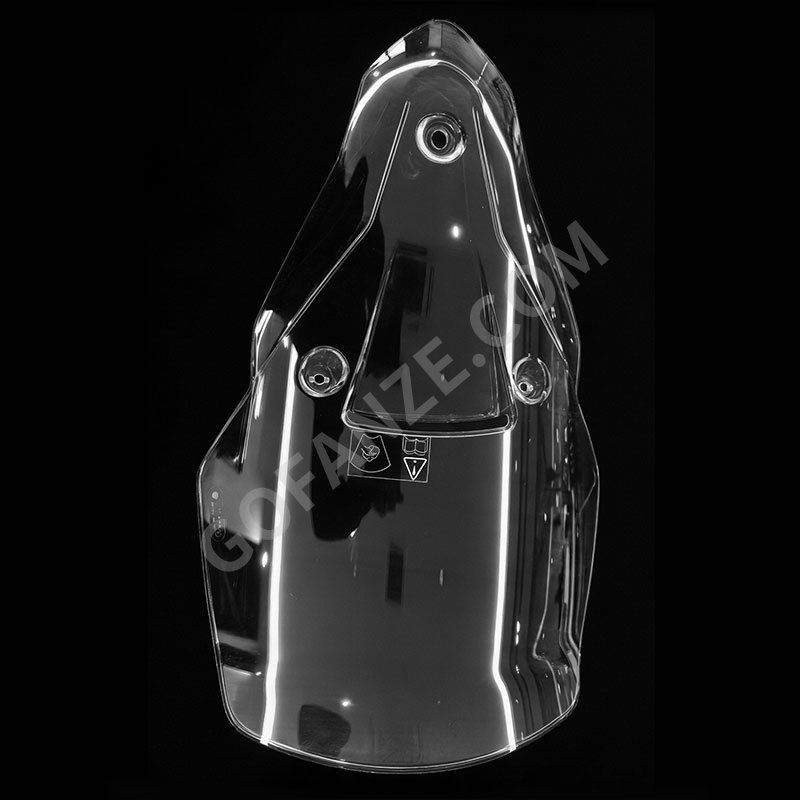
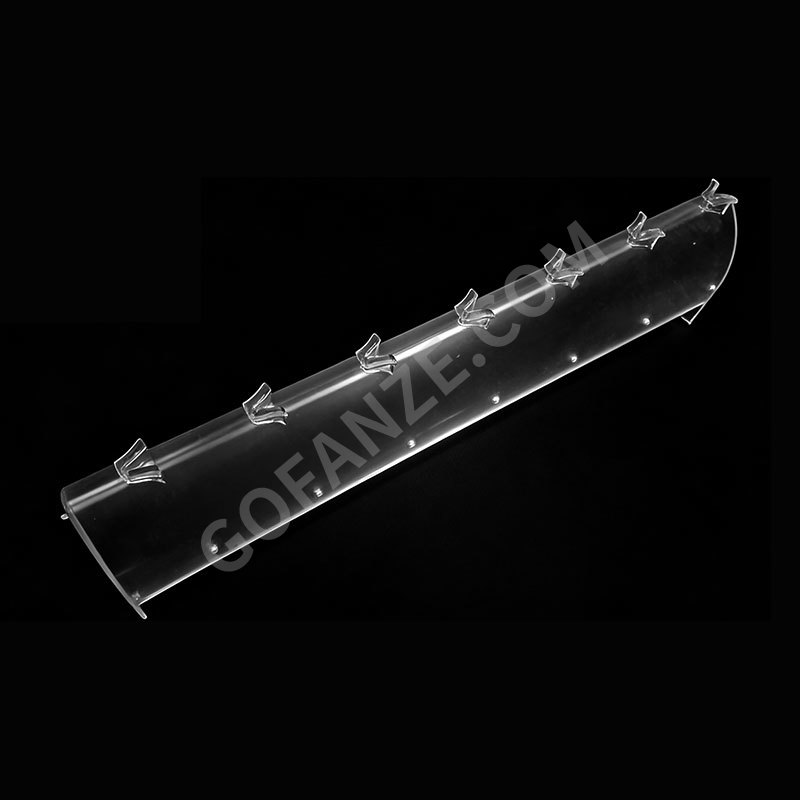

How do you prevent silver streaks and bubbles in high-gloss transparent PC parts caused by moisture and venting issues?
In high-gloss transparent polycarbonate (PC) injection molded parts (e.g., automotive light covers, medical device housings, or electronic display lenses), silver streaks (also called splay marks) and bubbles (voids or gas pockets) are critical visual defects that render parts unacceptable. These defects are primarily caused by moisture in the resin (PC is hygroscopic and degrades above 0.02% moisture) and inadequate venting (trapped air or degradation gases cannot escape). Preventing them requires a combination of material drying, mold design, and process control.
1. Root Causes of Silver Streaks and Bubbles
| Defect Type | Primary Cause | Appearance | Critical Threshold |
|---|---|---|---|
| Silver streaks | Moisture >0.02% → hydrolysis → gas (CO₂, H₂O vapor) expands at melt front. | Silvery, wavy lines along flow direction. | PC moisture content ≤0.015% (dryer dew point -40°C, 4–6h at 120°C). |
| Bubbles (voids) | Trapped air due to poor venting, or gas from thermal degradation (melt temperature >320°C). | Round or elongated gas pockets near surface or inside thick walls. | Vent depth: 0.02–0.03 mm for PC (deeper causes flash). Melt temp ≤310°C. |
| Combined (splay + bubbles) | Insufficient back pressure + high screw speed → air entrapment in melt. | Chaotic silver streaks with scattered micro-bubbles. | Back pressure: 5–10 bar; screw speed: 40–60 rpm. |
2. Prevention Methods – Parameter Comparison
| Prevention Measure | Recommended Parameter Range for PC | Effect on Defect Reduction | Implementation at Fanze T&M (Jiashan) Co., Ltd. |
|---|---|---|---|
| Material drying | Dehumidifying dryer, dew point -40°C to -50°C; 120°C for 4–6 hours; moisture ≤0.015% (verified by moisture analyzer). | Prevents >90% of silver streaks. | All Japanese/German injection molding machines are equipped with desiccant dryers; in-line moisture monitoring for critical transparent parts. |
| Vent design | Vent depth: 0.02–0.03 mm; width: 6–10 mm; land length: 1–2 mm; followed by 0.5–1.0 mm deep relief channel. Place at weld lines and last fill areas. | Eliminates bubbles and reduces silver streaks by 60–80%. | Standard vent layout for all transparent molds; verified by mold flow analysis. |
| Injection speed profiling | Slow–fast–slow profile: 20% speed for first 10% fill (to allow air escape), 70–90% for middle, 30–50% for last 10% to prevent overpacking. | Reduces shear heating and gas entrapment. | Used on ABB charging pile lens molds and automotive interior transparent covers. |
| Back pressure & screw speed | Back pressure: 5–10 bar; screw speed: 40–60 rpm (lower than standard 80–100 rpm for opaque resins). | Prevents air entrainment and frictional heating. | Standard process setting for all transparent PC jobs. |
| Mold temperature | High mold temperature: 80–100°C (oil or electric heating recommended). | Improves melt flow and allows trapped air to escape before freeze-off. | Achieved using water/oil temperature controllers and conformal heating channels. |
3. Advanced Techniques Used by Fanze T&M (Jiashan) Co., Ltd.
- Vacuum venting: For large transparent parts (e.g., headlight covers), active vacuum is applied to the venting channels (0.5–0.8 bar absolute pressure) to remove trapped air before melt arrival.
- Mold coating for gas release: A PVD or anti-stick coating (e.g., TiN or DLC) on cavity surfaces reduces gas adhesion and improves venting efficiency.
- Simultaneous engineering: Before mold construction, the company runs Moldflow gas evacuation simulation to identify and add vents at predicted air trap locations.
- Inspection protocol: Every shot is inspected under 5000 lux backlight for silver streaks and bubbles; Cpk ≥ 1.33 for defect-free rate.
4. Three FAQs (including company introduction)
FAQ 1: Can silver streaks be removed by polishing or coating after molding?
A: No. Silver streaks are sub-surface degradation marks or gas channels within the plastic matrix. Post-molding polishing, painting, or coating cannot eliminate them. The only solution is prevention through strict drying and optimized venting. Fanze T&M (Jiashan) Co., Ltd. guarantees a silver-streak-free rate >98% on first shots by using dehumidifying dryers (dew point -50°C) and precision venting. For customers requiring the highest optical clarity, the company offers high-gloss transparent PC injection mold solutions with integrated vacuum venting and mold flow validation.
FAQ 2: What is the maximum allowable vent depth for PC to avoid flash, and how do you check it?
A: For PC, the safe vent depth is 0.020–0.030 mm (0.0008–0.0012 inches). Deeper vents cause flash; shallower vents trap gas and cause bubbles. Fanze T&M (Jiashan) Co., Ltd. verifies vent depth using a precision feeler gauge (Japan-made, ±0.001 mm) on every mold during assembly and after 50,000 cycles. The company also uses stepped venting: 0.02 mm depth for first 2 mm land, then 0.05 mm, then 0.5 mm full relief. This design has been validated on transparent lens molds for Japanese Tiger Electric and ABB.
FAQ 3: What specific experience does Fanze T&M (Jiashan) Co., Ltd. have in high-gloss transparent PC molds?
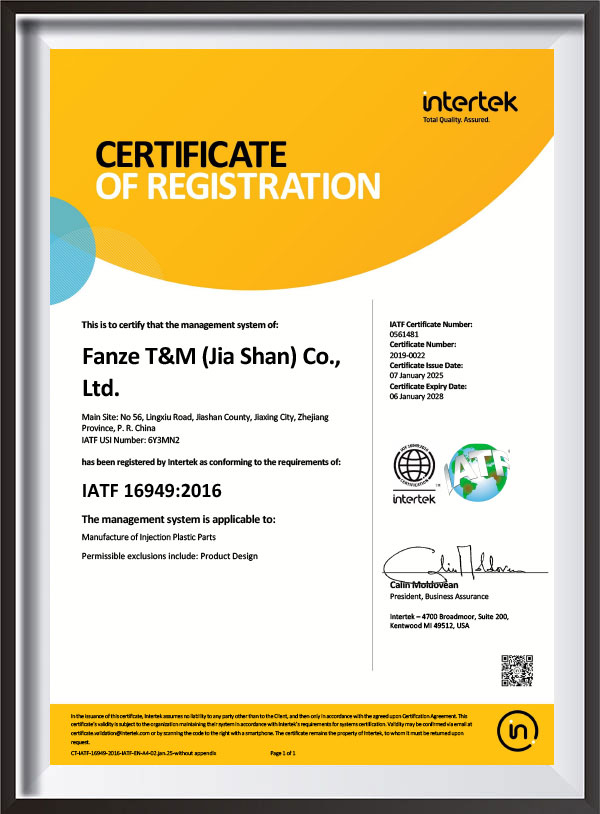
A: Fanze T&M (Jiashan) Co., Ltd. was founded in 2005 and specializes in precision injection molds and injection parts. The company moved to Guigu Park, Jiashan County in 2016, with a 14,000 m² usable plant area and about 100 employees. It owns imported CNC, EDM, slow-moving wire cutting machines, and high-performance injection molding equipment from Japan and Germany. The company is IATF16949 certified and has established good cooperative relations with British Land Rover Motors, Triumph Motorcycles, ABB charging stations, and Japanese Tiger Electric.
Specific transparent PC mold experience includes:
- Automotive headlight inner lens for SAIC: Achieved zero silver streaks using vacuum venting + Moldflow-optimized gate locations. Light transmission >89% at 3mm thickness.
- EV charging pile display cover (ABB): Produced bubble-free with molded-in UV stabilizer; passed 2000h QUV test without yellowing.
- Medical device transparent window for Japanese OEM: Maintained ≤0.015% moisture content using inline dew point monitoring; Cpk for clarity grade = 1.45.
The company adheres to the quality policy of "precision, high efficiency, casting quality" and has won high praise from customers worldwide.


