


 English
 Français
 Español
 Deutsch

Home · News · Industry News · Automotive Interior Plastic Parts Injection Mold: Design Principles, Material Selection, Defect Prevention, and Mold Lifespan
Industry News
Automotive Interior Plastic Parts Injection Mold: Design Principles, Material Selection, Defect Prevention, and Mold Lifespan
2026-06-04Table of Contents
- 1 How Much Does an Injection Mold Cost?
- 2 Which Mold Steel Works Best for Automotive Interior Tools?
- 3 How Long Is the Lead Time for an Automotive Injection Mold?
- 4 What Dimensional Tolerance Can an Automotive Injection Mold Achieve?
- 5 Frequently Asked Questions
- 5.1 Can one mold be used for both left-hand and right-hand drive interior parts?
- 5.2 What surface finishes are available for automotive interior injection molds?
- 5.3 How many shots can an automotive interior injection mold run before needing maintenance?
- 5.4 Do automotive OEMs own the mold, or does the supplier?
An automotive interior plastic parts injection mold is a precision-machined steel tool that produces components such as dashboard panels, door trims, center consoles, pillar covers, and air vent bezels at high volume with consistent dimensional accuracy. Tooling quality determines part quality for the entire production lifetime — a mold that runs 500,000 cycles must hold the same tolerances on shot one as on shot 500,000.
How Much Does an Injection Mold Cost?
Injection mold cost for automotive interior parts ranges from $8,000 for a simple single-cavity bracket mold to over $150,000 for a large, multi-cavity hot-runner dashboard skin tool. The four variables that drive cost are part size, number of cavities, steel grade, and surface finish requirement.
Family molds — multiple related parts in a single tool with independent gating — reduce per-part tooling cost by 20–40% for small interior components that share a material and color. This approach is standard practice for clip families, switch bezels, and trim insert sets.
Which Mold Steel Works Best for Automotive Interior Tools?
Steel selection for automotive interior injection molds balances hardness, polishability, toughness, and cycle life. The three steels used in over 90% of automotive interior tooling are P20, H13, and S136 — each suited to a different production volume and surface finish tier.
P20 is the default choice for prototype tools, low-to-medium volume runs (under 300,000 shots), and parts without Class A gloss requirements. It machines fast, costs less, and accepts basic texturing. Not recommended for glass-filled resins above 30% GF loading, which cause accelerated wear.
H13 is specified for tools targeting 500,000 to 1,000,000+ cycles. Its hot-work tool steel composition resists thermal fatigue from rapid heating and cooling cycles. Standard for structural interior parts in fiber-reinforced PP and ABS/PC blends. Lead time adds 2–3 weeks for heat treatment and stress relief.
S136 achieves mirror polish levels of VDI 0–3 required for visible interior trim, piano black finishes, and chrome-look bezels. Its corrosion resistance also protects cavity surfaces during production shutdowns and in high-humidity environments. Premium cost — typically 25–35% more than H13 tooling.
BeCu is not used as a full mold material but is specified as cavity inserts in areas with thick walls or poor coolant access. Reduces cycle time by 15–25% in targeted sections. Requires health and safety precautions during machining. Cost-justified only when cycle time reduction significantly improves part economics.
How Long Is the Lead Time for an Automotive Injection Mold?
Lead time for an automotive interior plastic parts injection mold runs 4 to 14 weeks from design freeze to first article samples, depending on part complexity, steel grade, and whether the tool requires hot runner components.
| Mold Type | Steel | Typical Lead Time | Key Driver |
| Simple single-cavity, cold runner | P20 | 4 – 6 weeks | CNC machining and EDM |
| Medium part with side actions | P20 / H13 | 6 – 8 weeks | Slide and lifter machining |
| Hot runner tool, textured surface | H13 | 8 – 10 weeks | Hot runner procurement + texturing |
| Large Class A surface, mirror polish | S136 | 10 – 14 weeks | Steel hardening + polishing cycles |
| Multi-cavity family mold | H13 / P20 | 8 – 12 weeks | Balancing and T1 sampling |
Accelerated timelines of 3–4 weeks are achievable for simple P20 tools when the supplier runs 24-hour machining shifts — standard practice for Chinese export toolmakers. However, compressing timelines on H13 or S136 tools risks skipping critical stress-relief cycles, shortening mold life.
What Dimensional Tolerance Can an Automotive Injection Mold Achieve?
Automotive interior plastic parts injection molds built to automotive standards routinely achieve part tolerances of ±0.05 mm on critical fit dimensions and ±0.1 mm on general geometry. Mold steel itself is machined to ±0.005 mm on core and cavity mating surfaces using high-precision CNC and jig grinding.
Achieving these tolerances requires gate location optimization, uniform cooling channel layout, and material shrinkage compensation built into the mold design — typically 0.4–0.6% for PP, 0.5–0.7% for ABS, and 0.2–0.4% for ABS/PC blends. Tolerance verification is done via CMM (Coordinate Measuring Machine) during T1 and T2 sampling, with a full PPAP (Production Part Approval Process) report for OEM customers.
Frequently Asked Questions
Can one mold be used for both left-hand and right-hand drive interior parts?
Yes — mirrored interior parts such as left and right door panels are commonly produced from a single mold with interchangeable cavity inserts. This design, known as a "MUD" (Master Unit Die) or insert-swap tool, reduces total tooling cost by 30–45% compared to building two separate molds. Insert-swap tools are standard practice among automotive toolmakers supplying both LHD and RHD vehicle variants from a single platform.
What surface finishes are available for automotive interior injection molds?
The four standard finish categories are: SPI A-series (mirror polish, A1 to A3), SPI B-series (fine stone finish for semi-gloss), SPI C-series (paper finish for matte), and EDM texture for grain patterns. Automotive interior parts most commonly specify VDI 18–27 grain texture on structural surfaces and SPI A2 or A3 on visible Class A trim. Grain texture is applied by chemical etching after the mold is otherwise complete.
How many shots can an automotive interior injection mold run before needing maintenance?
A well-built P20 tool requires preventive maintenance every 50,000–100,000 shots. H13 tools in production service are typically maintained every 150,000–200,000 shots. Full mold life before major refurbishment is 300,000–500,000 shots for P20 and 800,000–1,000,000+ shots for H13. Maintenance intervals shorten significantly when running glass-filled or mineral-filled resins, which cause higher cavity wear than unfilled grades.
Do automotive OEMs own the mold, or does the supplier?
In most OEM supply chain arrangements, the automaker pays for and owns the tooling, even when it is built and held at a Tier 1 or Tier 2 supplier's facility. Tool ownership is specified in the tooling purchase agreement and is recorded on the OEM's asset register. Tooling costs are typically invoiced separately from part pricing as a one-time tooling charge, though some programs amortize tooling cost over an agreed production volume commitment.
Categories
- Company News(2)
- Industry News(32)
Product Category
-
Printer Components & Parts
-
Two-color Plastic component & tool
-
Plastic Multi-way Connectors
-
Threaded Plastic injection molded part
-
Home Appliance Injection Parts
-
Robot shell injection mold
-
High-Gloss Transparent PC injection mold
-
Motorcycle Fairings & Bodywork plastic injection mold
-
EV Charging pile plastic injection mold
-
Automobile wire harness
-
Automotive interior plastic parts injection mold
Related Tag
-
Automotive Interior Trim Plastic Parts Injection Mold
Automotive Dashboard Plastic Parts Injection Mold
Automotive Door Panel Plastic Parts Injection Mold
Automotive Center Console Plastic Parts Injection Mold
Automotive Instrument Panel Plastic Parts Injection Mold
Automotive Air Vent Plastic Parts Injection Mold
High Precision Automotive Interior Plastic Parts Injection Mold
Hot Runner Automotive Interior Plastic Parts Injection Mold
Multi Cavity Automotive Interior Plastic Parts Injection Mold
Automotive Interior Plastic Components Injection Mold

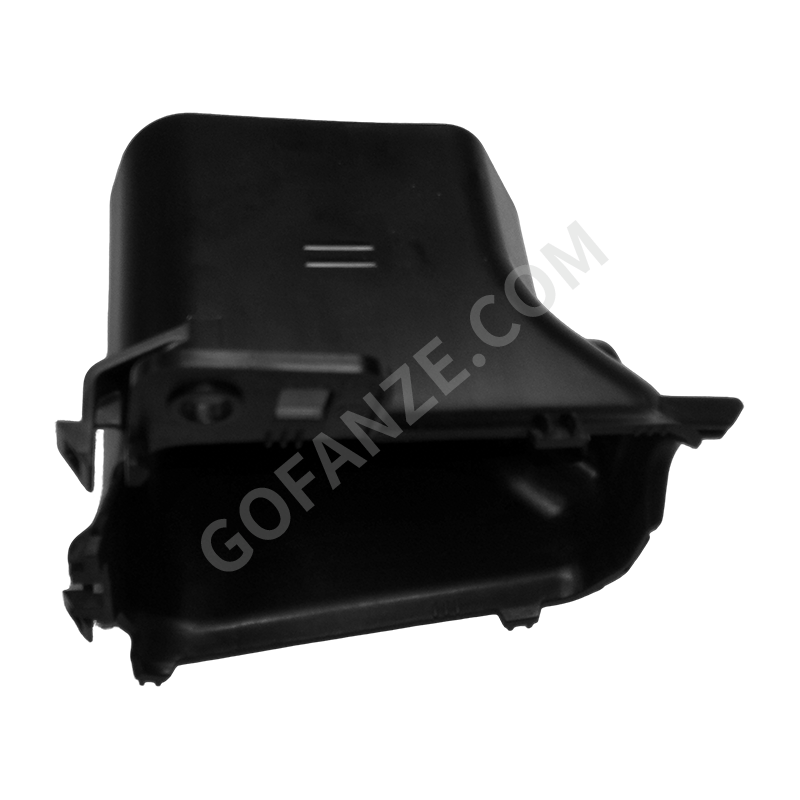
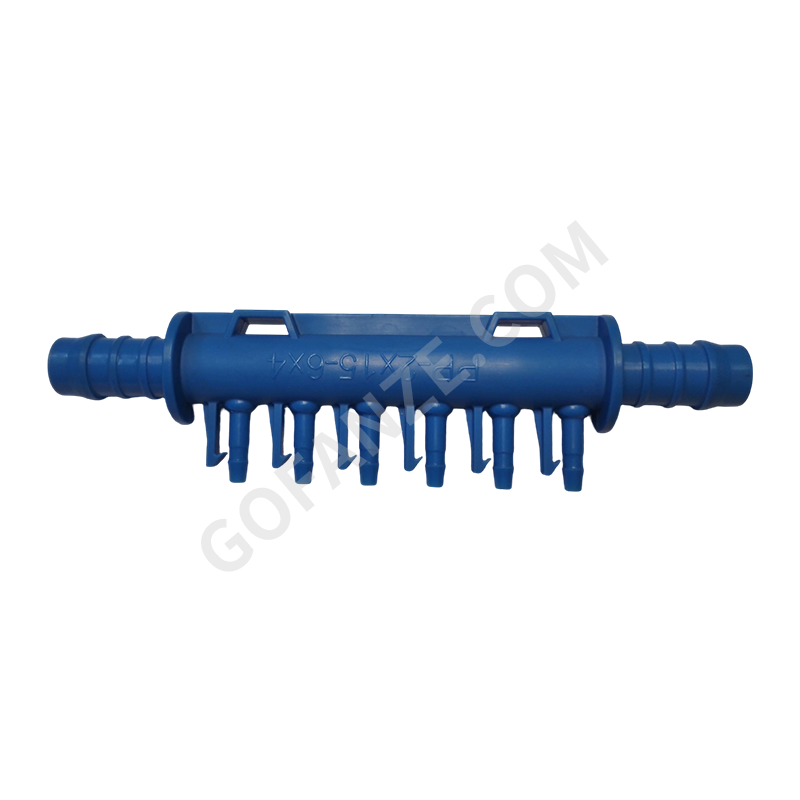
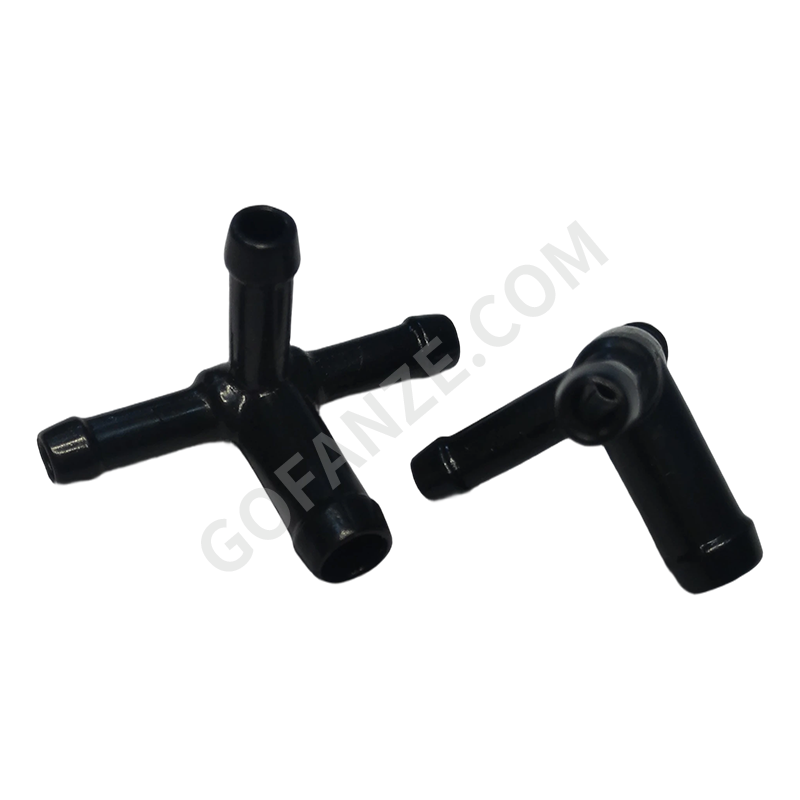
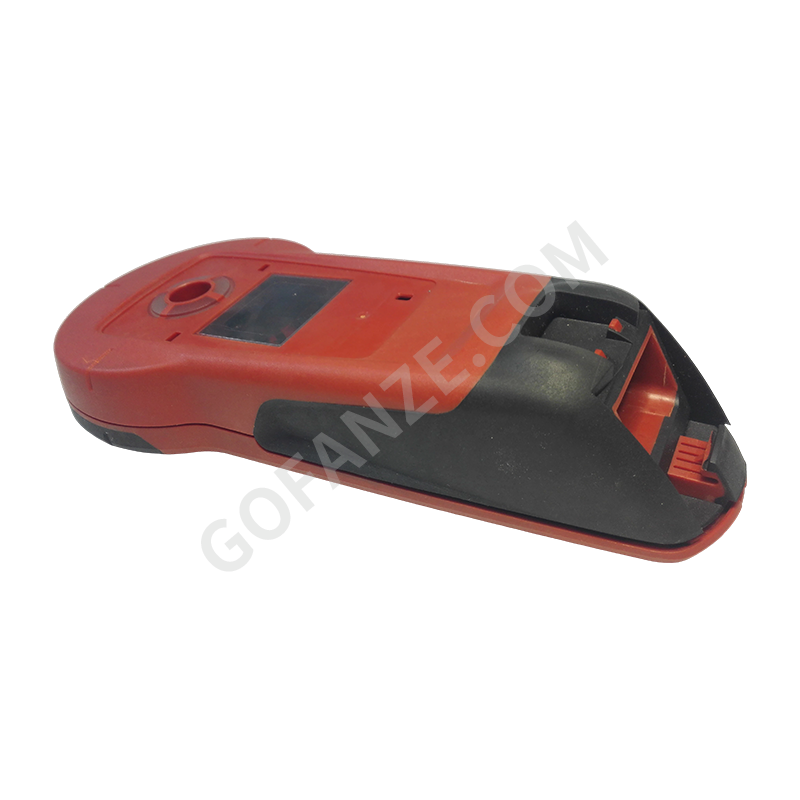
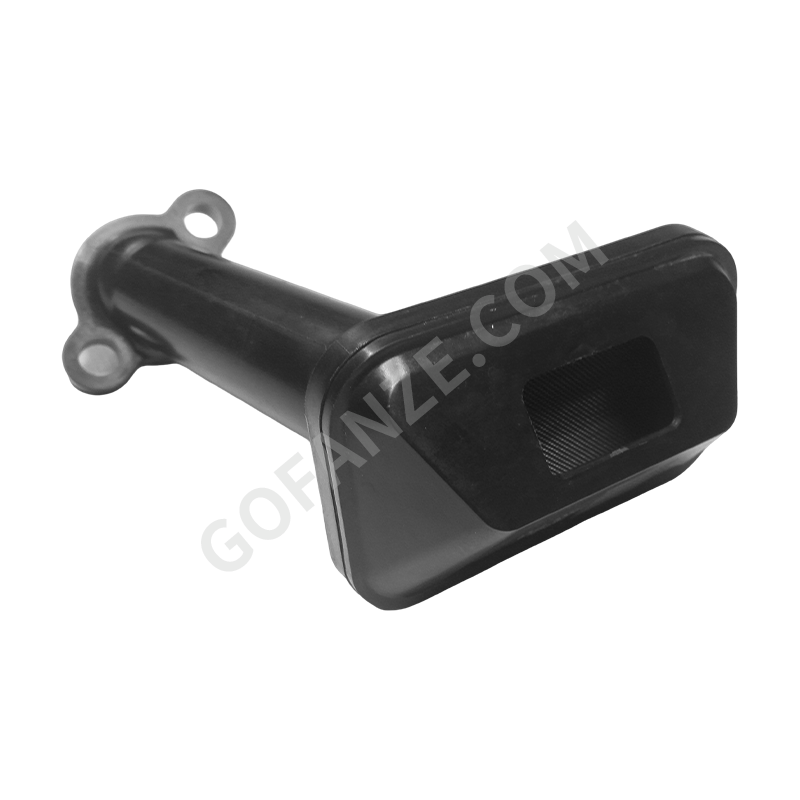
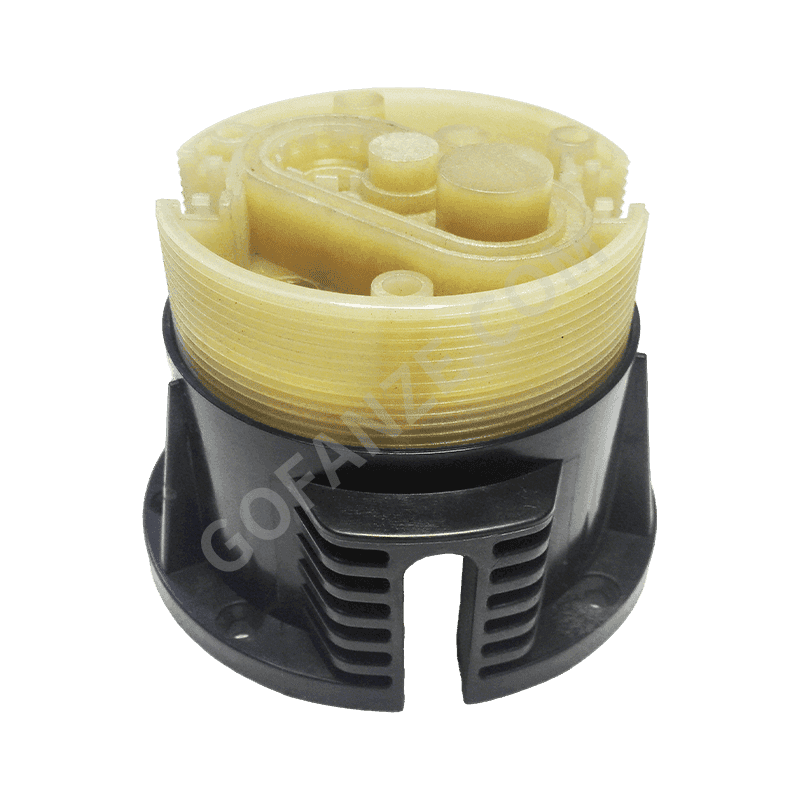

- Automotive interior plastic parts injection mold
- Automobile wire harness
- EV Charging pile plastic injection mold
- Motorcycle Fairings & Bodywork plastic injection mold
- High-Gloss Transparent PC injection mold
- Robot shell injection mold
- Home Appliance Injection Parts
- Threaded Plastic injection molded part
- Plastic Multi-way Connectors
- Two-color Plastic component & tool
- Printer Components & Parts

