Product Specifications
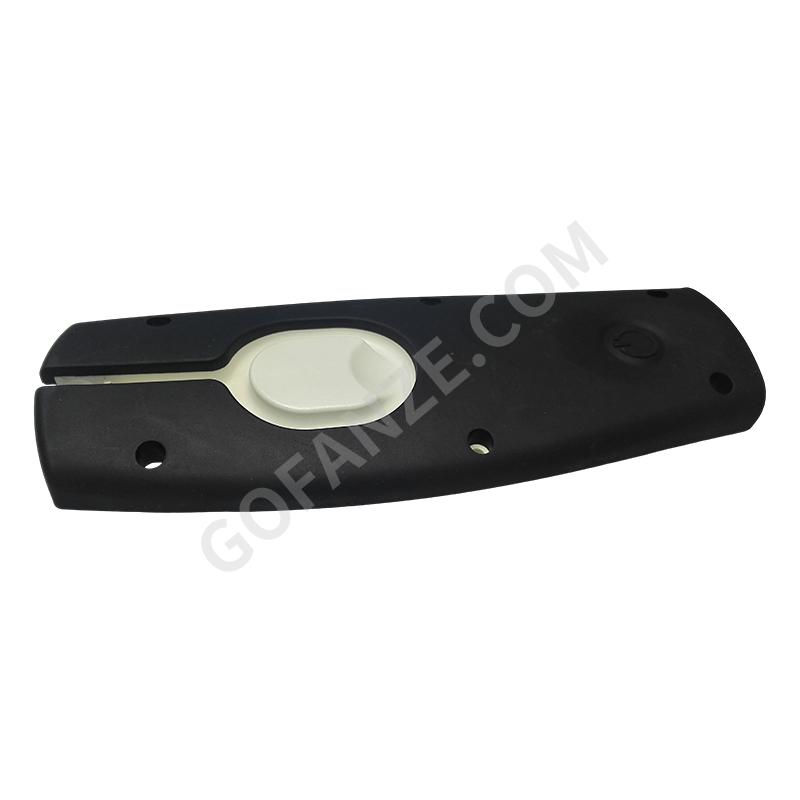
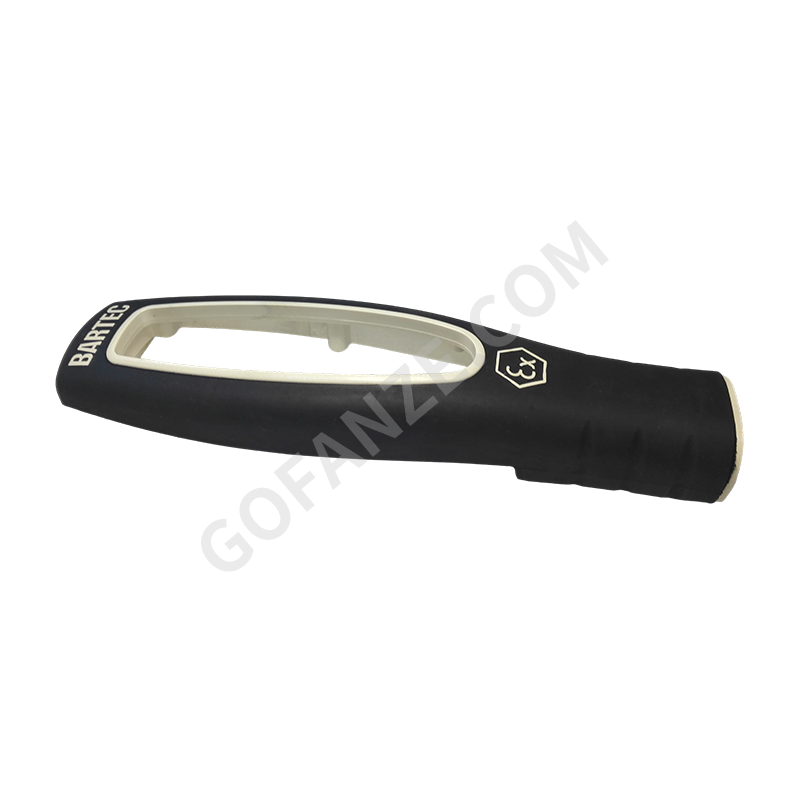
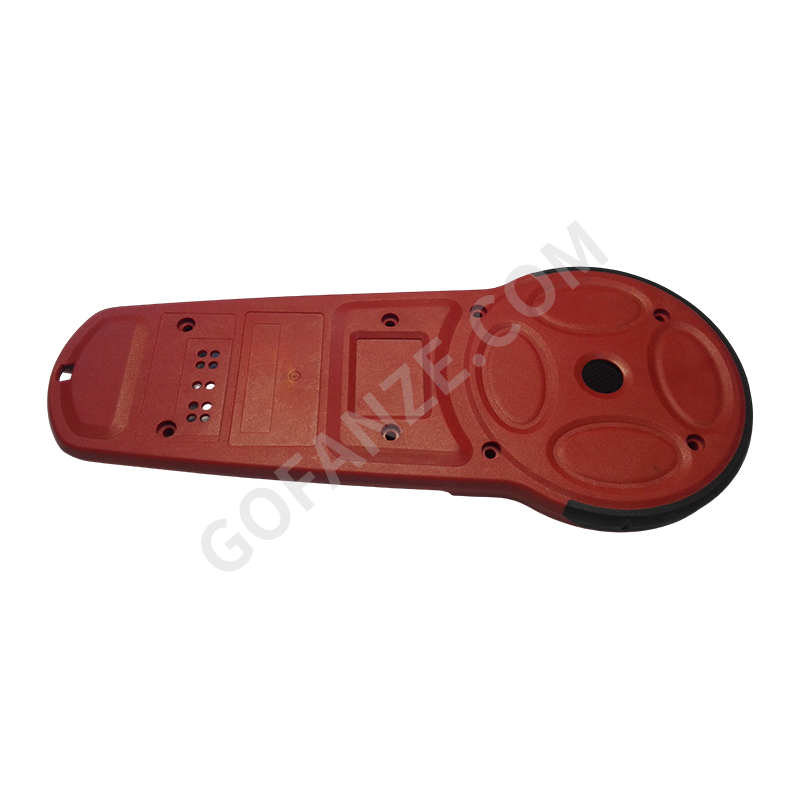
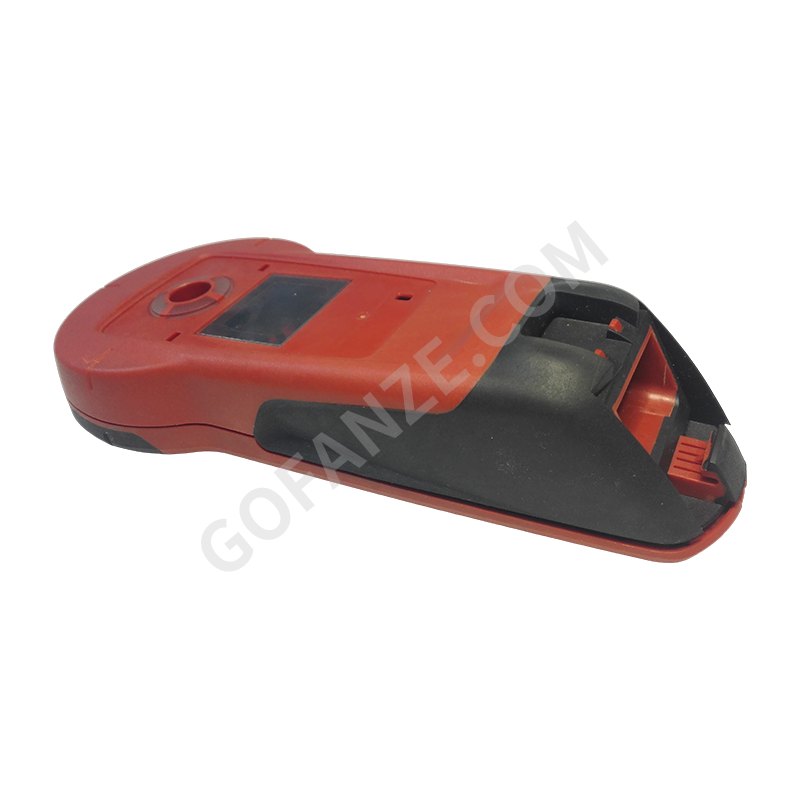
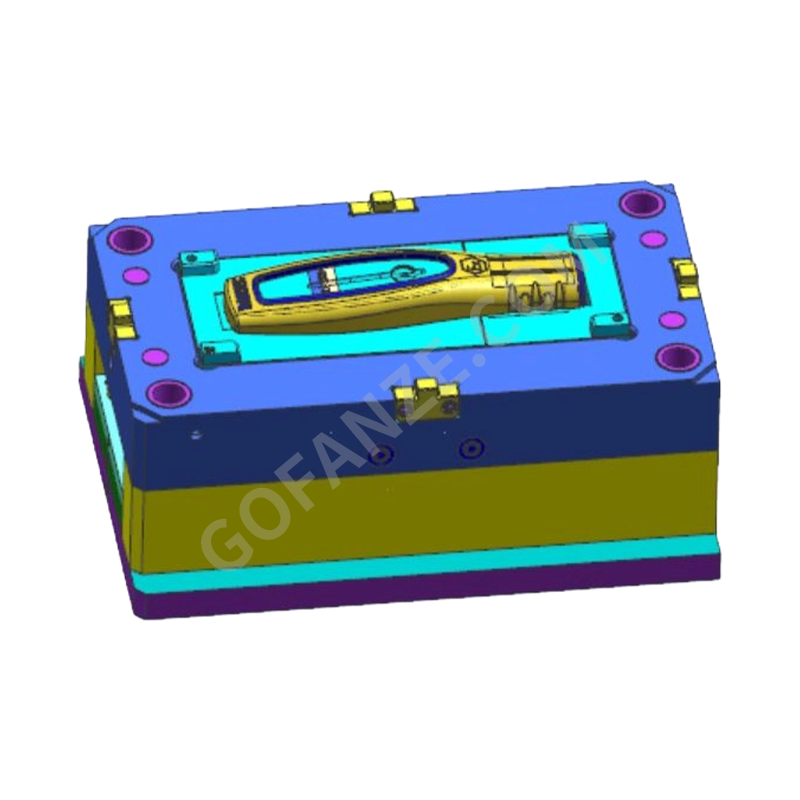
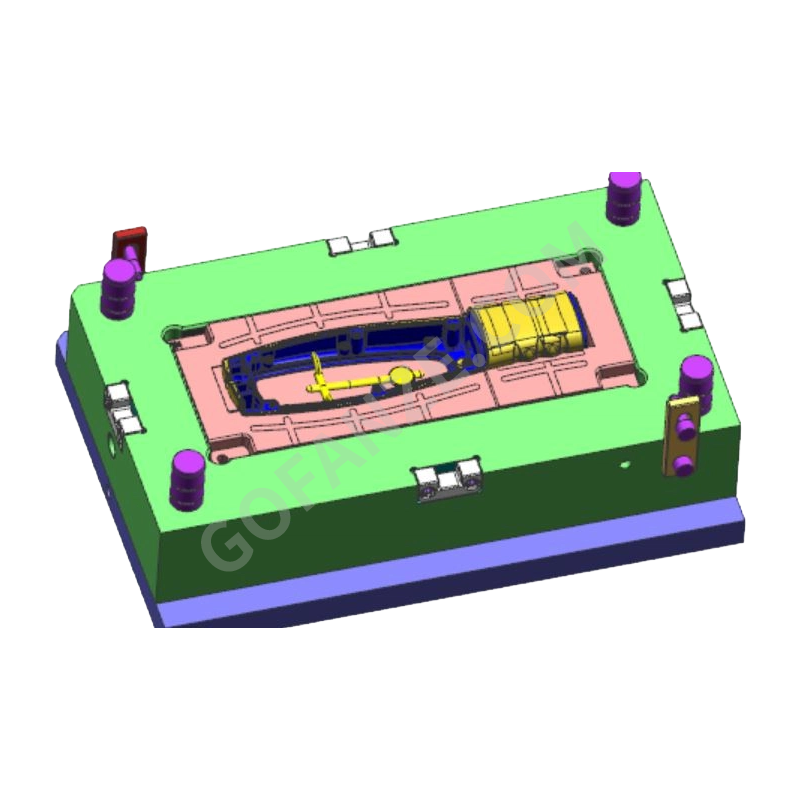
Precision Insert Molded & Overmolded Plastic Parts
- Process Types: Insert Molding, Overmolding (two-shot or sequential), Two-Color Injection Molding
- Insert Types: Metal stampings, threaded brass inserts, electrode pins, sensor probes, cable terminals, PCB assemblies
- Material Combinations: Rigid substrate (ABS/PC/PA) + soft overmold (TPE/TPU/silicone); metal insert + engineering plastic (PP/PA/POM)
- Insert Positional Accuracy: Positional tolerances per drawing specifications; critical locating inserts controlled to within ±0.1mm
- Sealing Performance: Overmold interface capable of meeting customerspecified pneumatic or liquid-tight test requirements; IP protection class structural design supported
- Surface Finish: Antislip texture, leather grain, or smooth finish available on soft overmold surfaces per customer requirements
- Secondary Processes: Component assembly, electrical function testing, and leak/pressure testing support available
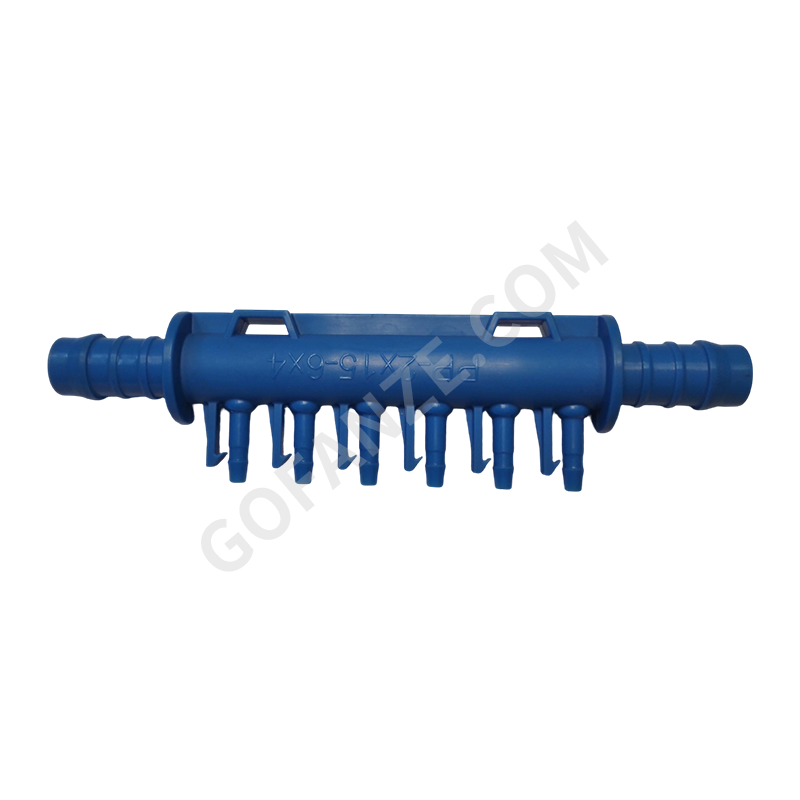
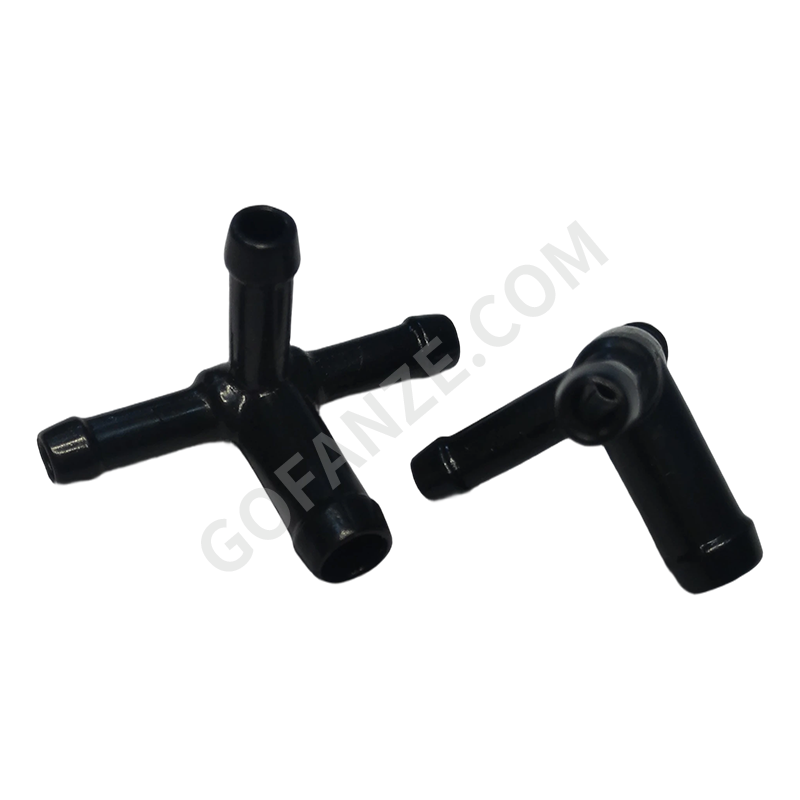
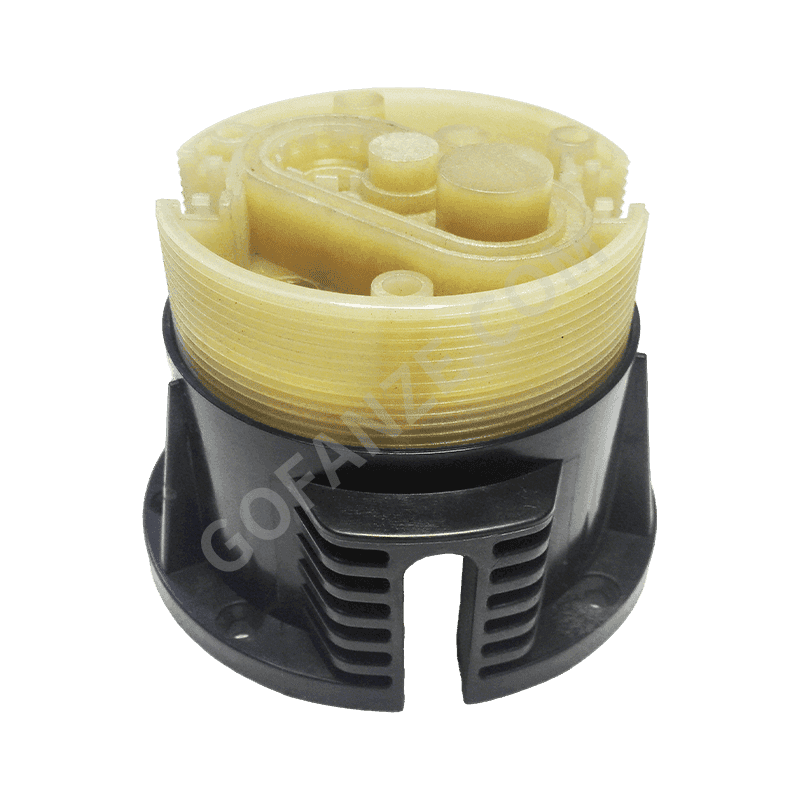
Plastic MultiWay Connectors
- Connector Types: T-type tee, Y-type tee, cross fourway, multiport manifold connectors; straight and elbow combinations available on a custom basis
- Compatible Materials: PP, POM, PA66, PVDF, PE — selected based on media type, operating temperature, and pressure requirements
- Interface Standards: Metric threads (Mseries), NPT, BSP pipe threads, and push-in quick-connect interfaces supported
- Pressure Rating: Dependent on material and wall thickness design; standard connectors rated 0.5–1.6 MPa
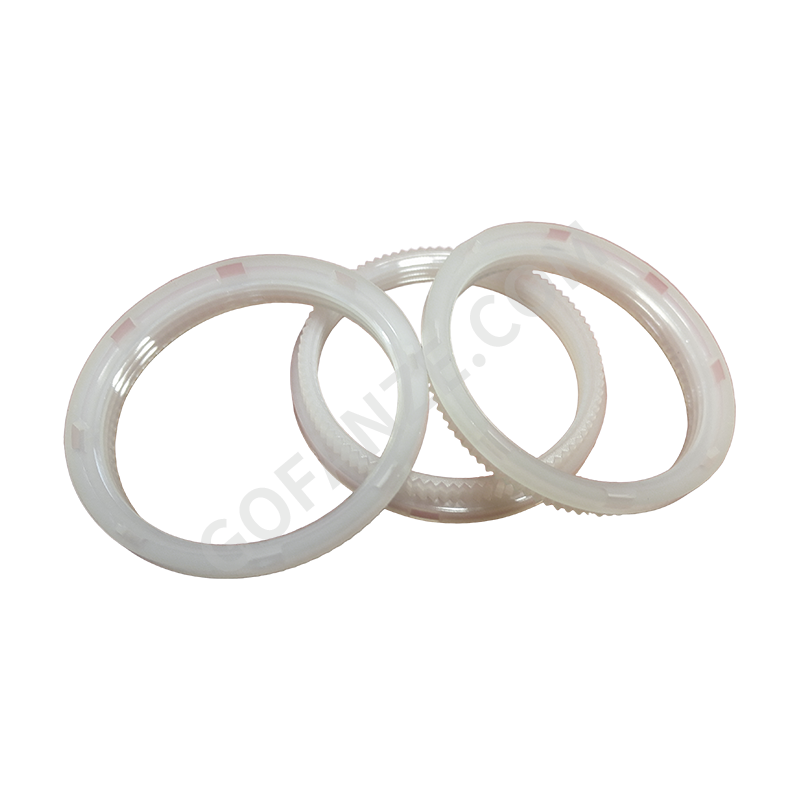
- Sealing Methods: Oring groove seal, tapered face seal, flat face seal — designed per pipeline system requirements
- Dimensional Tolerance: Threaded interfaces and sealing surfaces per ISO/DIN standards; strict tolerance control available
- Color & Marking: Natural resin color or specified color molding supported; flow direction markings and specification characters available as in-mold molded features
Application Areas
Precision Insert Molded & Overmolded Parts:
- Automotive wiring harness connectors, sensor plugs, and ECU interface overmolded components
- Medical device surgical instrument handles, syringe plungers, and invitro diagnostic equipment housing overmolded parts
- Industrial control equipment operating knobs, handles, and button overmolded structural components
- Consumer electronics data cable connectors, headphone plugs, and charger terminal overmolded parts
- Power tool grips, switch buttons, and antislip handheld components
Plastic MultiWay Connectors:
- Industrial fluid pipeline systems (gas and liquid flow splitting and merging)
- Automotive coolant lines, HVAC systems, and AdBlue (urea solution) pipeline connectors
- Medical device infusion lines, dialysis systems, and ventilator pneumatic circuit connectors
- Agricultural drip irrigation system flow distribution connectors
- Water purification equipment, water dispensers, and RO reverse osmosis system pipeline connectors
- Semiconductor and chemical processing equipment, high-purity media pipeline connectors (PVDF grade)
FAQ & Technical Considerations
Q1: The interface between soft and hard materials in overmolded parts is prone to delamination — how is bond strength ensured?
Bond strength at the soft-hard material interface is influenced by material compatibility, interface geometry design, and process parameters. Measures to improve bond strength include: designing mechanical interlocking features on the substrate (such as undercuts, throughholes, and grooves) to supplement physical adhesion; selecting overmold material grades with established chemical compatibility with the substrate (such as TPE paired with ABS); and optimizing injection temperature and fill speed to ensure adequate wetting of the substrate interface by the overmold material. For parts with pneumatic or liquid-tight sealing requirements, interface sealing geometry must be incorporated at the product design stage and validated through leak testing after mold trials.
Q2: Metal inserts shift or tilt after overmolding — how is this addressed?
Insert displacement is typically caused by insufficient mold locating mechanism precision or excessive injection pressure acting on the insert. Countermeasures include: optimizing the fit tolerance between mold insert locating pins and insert features to ensure stable positioning after mold closure; positioning gates to distribute injection pressure impact evenly around the insert; and for slender inserts such as electrode pins, incorporating auxiliary support structures within the mold to prevent deflection under injection flow forces.
Q3: Plastic multiway connectors develop leaks in service — what are the common causes?
Leakage typically originates from one or more of the following: sealing surface dimensional deviations outside the fit tolerance range; thread pitch or thread form mismatch between the connector and mating fitting; internal voids or porosity defects in the molded part affecting wall integrity; or material swell and deformation caused by incompatibility between the selected material and the conveyed media. Pressure testing services (hydrostatic or pneumatic) are available prior to shipment, conducted to customerspecified test pressure and hold time, to verify sealing reliability across production batches.
Q4: Multiway connector interface dimensions must conform to specific international standards — how is this confirmed?
Before mold development commences, the customer should provide the applicable interface standard (such as ISO 228 pipe threads, DIN 2999, NPT per ANSI B1.20.1) along with reference samples or drawings of mating fittings or connectors. Mold thread cores and sealing surfaces are designed to the specified standard, and thread gauge inspection reports and mating component assembly verification are provided at the T1 sample stage to confirm interface dimensional conformance.
Q5: Insert molded parts involve electrical functions — how is oxidation or contamination of metal inserts prevented during molding?
Metal inserts, particularly copper and aluminum, carry oxidation risk under the elevated temperatures of the injection molding process, which can affect subsequent electrical contact performance. Measures include: surface cleaning of inserts prior to loading into the mold to remove oil contamination and existing oxide layers; controlling mold temperature and cycle time to minimize insert exposure to elevated temperatures; and for precision electrical inserts, nickel or tin plating on insert surfaces to improve oxidation resistance. Where specific electrical performance requirements apply, continuity testing or insulation resistance testing can be conducted prior to shipment.