


 English
 Français
 Español
 Deutsch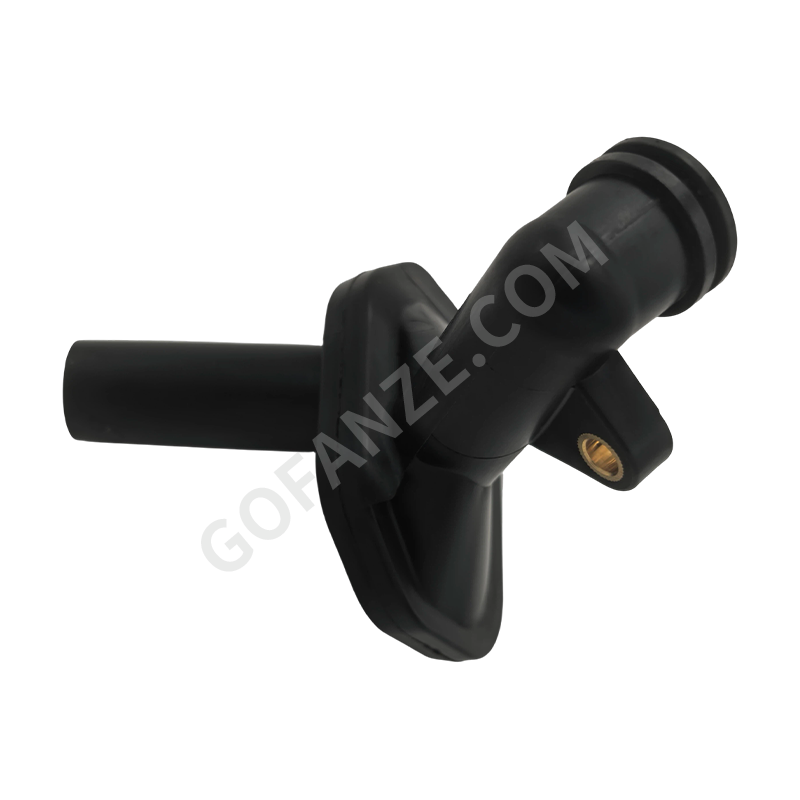
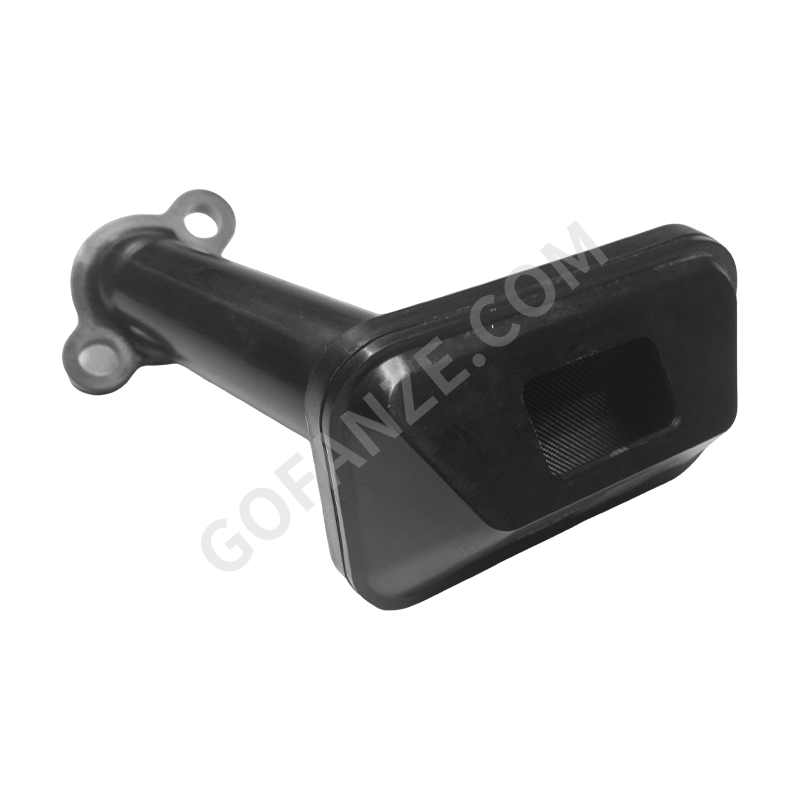
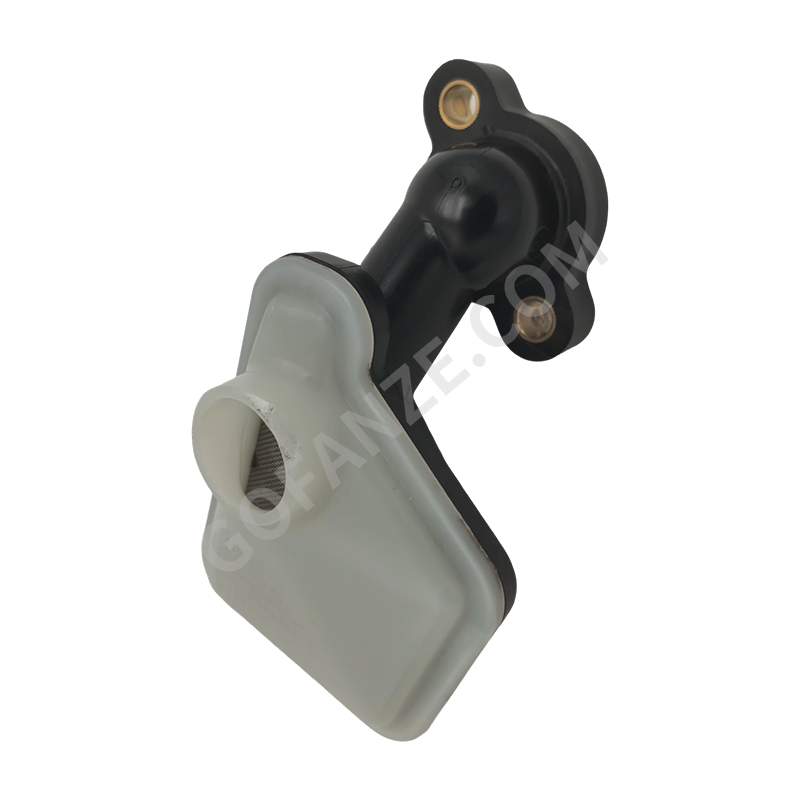
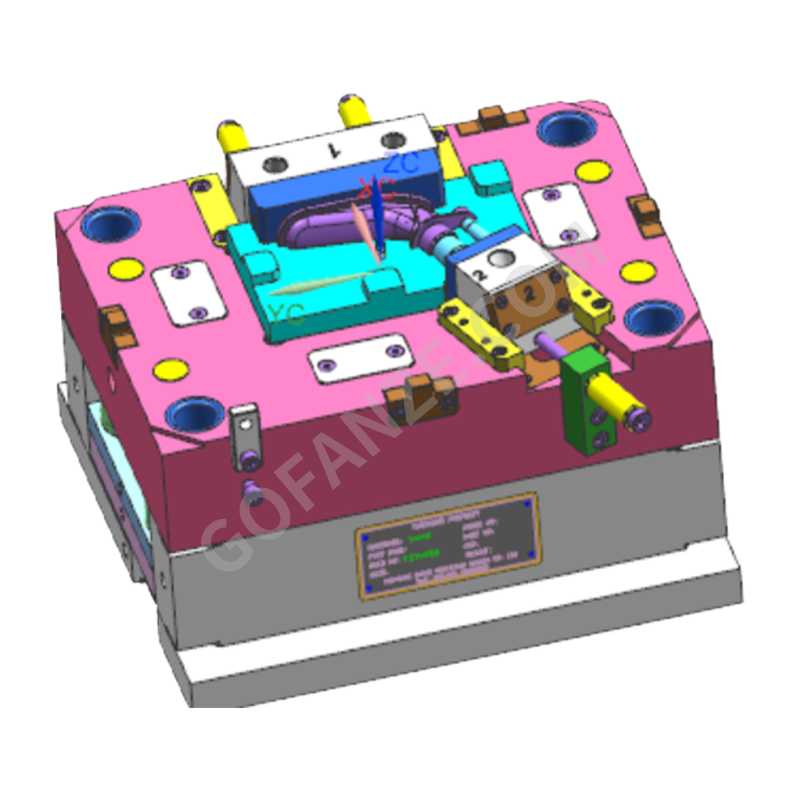
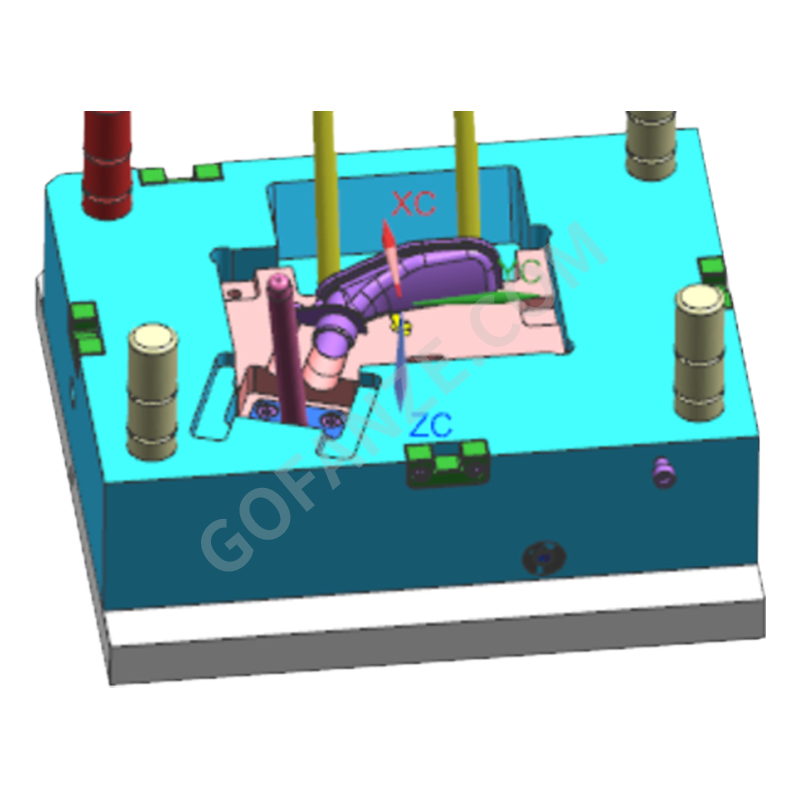
The plastic engine oil strainer is a functional component within the engine lubrication system, installed inside the oil sump to draw engine oil from the bottom of the pan and deliver it to the oil pump, maintaining uninterrupted oil supply to the lubrication circuit. Manufactured via injection molding using oilresistant engineering plastics, the component must meet requirements for heat resistance, chemical resistance to engine oil, and structural integrity under continuous engine operating conditions.
Motorcycle fairing and body panel components — including front cowls, side fairings, and tail covers — demand consistent dimensional accuracy, surface finish uniformity, and material impact resistance. With over 15 years of experience in plastic mold manufacturing and injection molding for automotive and motorcycle parts customers in European and Asian markets, we deliver complete tooling and production solutions based on customersupplied 2D drawings or 3D models.

Home · Product · Motorcycle Fairings & Bodywork plastic injection mold · Plastic Oil Pickup Strainer Injection Mold
Wholesale Plastic Oil Pickup Strainer Injection Mold
Plastic Oil Pickup Strainer Injection Mold
 Contact Us
 Get A Quote
Fanze T&M (Jiashan) Co., Ltd., formerly Shanghai Fanze Precision Mould (est. 2005), is a precision enterprise specializing in injection mold development and plastic part manufacturing. We are China Plastic Oil Pickup Strainer Injection Mold Suppliers and Wholesale Plastic Oil Pickup Strainer Injection Mold Company, Exporter. Leveraging Singaporean precision technology and an international strategy, the company integrates R&D, mold design, manufacturing, and injection molding.
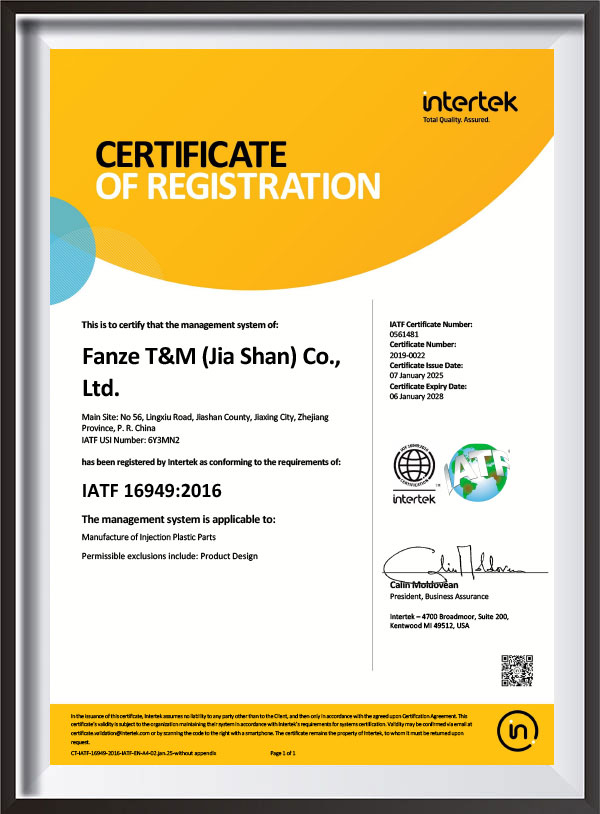
Based in Jiashan, Zhejiang, our 14,000 m² facility utilizes high-performance Japanese and German machinery (CNC, EDM, wire-cutting) to provide a full-service chain: R&D, mold making, injection molding, printing, and assembly. IATF16949 certified, we specialize in automotive interiors, new energy charging piles, and appliances. Partnering with global leaders like Land Rover, SAIC, and ABB, we export worldwide, delivering quality via advanced technology and expert management.
 View All News
-
Industry News
-
Industry News
-
Industry News
-
Industry News

- Automotive interior plastic parts injection mold
- Automobile wire harness
- EV Charging pile plastic injection mold
- Motorcycle Fairings & Bodywork plastic injection mold
- High-Gloss Transparent PC injection mold
- Robot shell injection mold
- Home Appliance Injection Parts
- Threaded Plastic injection molded part
- Plastic Multi-way Connectors
- Two-color Plastic component & tool
- Printer Components & Parts

