


 English
 Français
 Español
 Deutsch

Home · News · Industry News · 2K Injection Mold vs Traditional Injection Mold: Key Differences Explained
Industry News
2K Injection Mold vs Traditional Injection Mold: Key Differences Explained
2026-08-05Table of Contents
A single wrong mold decision can lock a product line into extra assembly labor for years. Comparing a 2K injection mold against a traditional injection mold on material capability, tooling cost, and design flexibility settles that decision before the tooling budget is ever spent.
What a 2K Injection Mold Actually Does
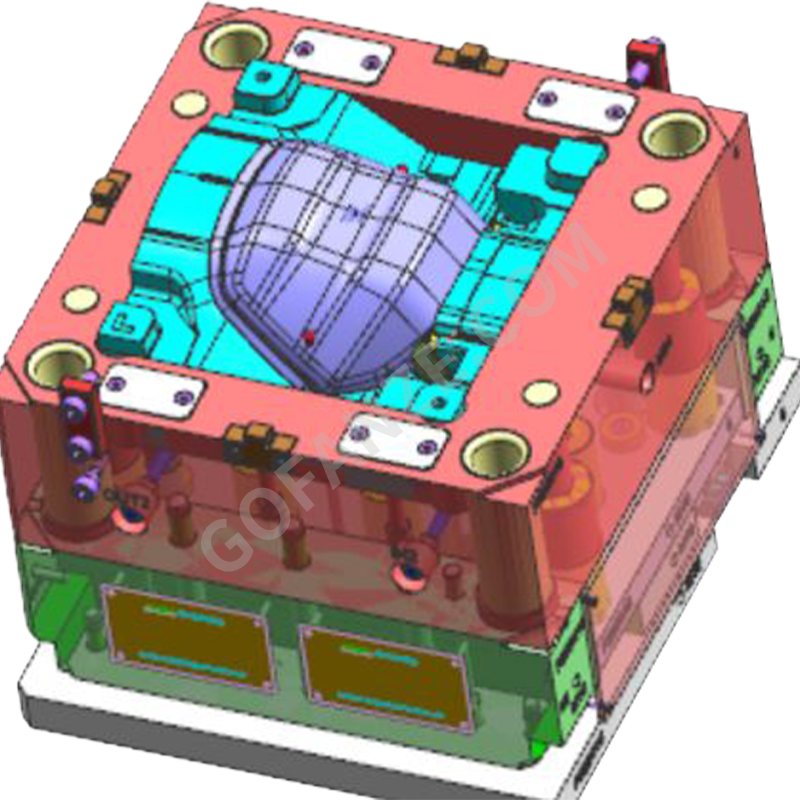
A 2K injection mold, also called a two-component or two-shot mold, injects two different materials or colors into a single part within one molding cycle. A traditional injection mold, by contrast, runs one material through one cavity in one cycle, which is exactly why it remains the default choice for standard plastic parts across nearly every industry.
Material Capability: One Shot vs Two
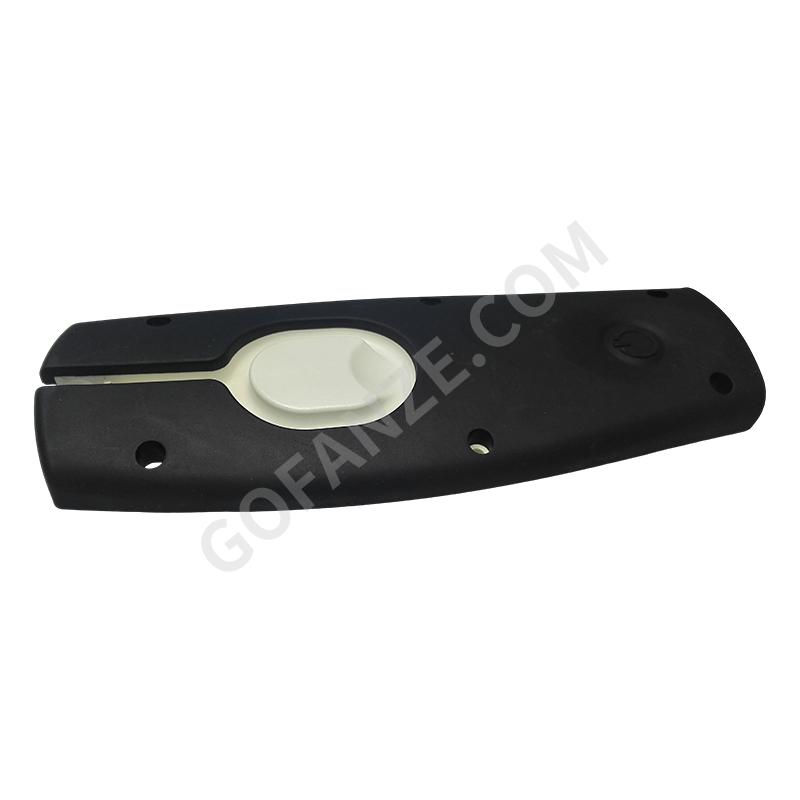
The core difference between a 2K injection mold and a traditional mold is material capability. The 2K process supports two materials or colors in a single part, enabling soft-touch grips, two-color decorative housings, and integrated silicone sealing areas. A traditional mold works with a wide range of plastics — ABS, PP, PC, PE, PA — but stops at one material per cycle, pushing any multi-material need into a separate assembly stage.
Production Process and Equipment Requirements
Running a 2K injection mold requires a special two-injection molding machine, a rotating or transferring mold system, and precise control over both materials, since the second shot must bond correctly to the first. A traditional injection mold needs only one injection unit and one cavity, which keeps tooling development faster and setup considerably simpler for high-volume standard parts.
- 2K molding integrates materials during the cycle, cutting post-processing steps
- Traditional molding keeps setup simple with a single material input
- 2K tooling demands more precise mold design and machine control
- Traditional tooling develops faster with lower initial complexity
Design Flexibility and Product Appearance
A 2K injection mold opens up multiple colors, mixed textures, and integrated soft-hard structures in one component, which suits products where appearance and function both matter — automotive control panels, electronic buttons, ergonomic handles. A traditional injection mold handles simple structures and single-color products well, but complex functional requirements typically force a secondary assembly step or a separate component entirely.
2K Injection Mold
Two materials in one part, soft-touch surfaces, multi-color designs, reduced assembly, higher tooling cost and complexity.
Traditional Injection Mold
Single material, simpler tooling, lower cost, faster development, but extra assembly needed for multi-material products.
Cost and Efficiency Trade-Offs
Initial tooling cost runs higher for a 2K injection mold because of its complex structure and precision requirements, but that cost is often offset over time by lower assembly labor and better part integration at scale. Traditional injection molds keep tooling cost and maintenance lower from the start, making them the practical choice for cost-sensitive projects and simpler product requirements.
| Feature | 2K Injection Mold | Traditional Injection Mold |
| Materials | Two materials or colors | One material |
| Tooling Cost | Higher | Lower |
| Design Flexibility | Excellent | Moderate |
| Assembly Requirements | Reduced | May require additional assembly |
| Suitable Products | Complex, multi-material components | Standard single-material parts |
Which Mold Type Fits Your Product
Choose a 2K injection mold when the product needs multi-material integration, two-color appearance, soft-touch surfaces, or built-in sealing structures. Choose a traditional injection mold when the part is a simple structural component, the budget favors lower tooling investment, or the project needs a fast development cycle without multi-material complexity.
Frequently Asked Questions
Does a 2K injection mold cost more than a traditional mold?
Yes, initial tooling cost is higher due to the more complex mold structure and precision requirements, but it can lower long-term assembly and labor costs for multi-material parts.
Can a traditional injection mold produce soft-touch parts?
Not directly in one cycle. Soft-touch surfaces on a single-material process typically require a separate component and assembly step, which a 2K injection mold avoids entirely.
What products commonly use 2K injection molds?
Automotive interior parts, electronic housings, medical components, and consumer products combining a hard structural material with a soft or contrasting material commonly rely on 2K molding.
Is a traditional injection mold still a good choice for modern manufacturing?
Yes. For simple, single-material plastic parts, a traditional injection mold remains a reliable, cost-efficient, and faster-to-develop option compared with the added complexity of 2K tooling.
 |
 |
Categories
- Company News(2)
- Industry News(32)
Product Category
-
Printer Components & Parts
-
Two-color Plastic component & tool
-
Plastic Multi-way Connectors
-
Threaded Plastic injection molded part
-
Home Appliance Injection Parts
-
Robot shell injection mold
-
High-Gloss Transparent PC injection mold
-
Motorcycle Fairings & Bodywork plastic injection mold
-
EV Charging pile plastic injection mold
-
Automobile wire harness
-
Automotive interior plastic parts injection mold
Related Tag
-
Automotive Dashboard Plastic Parts Injection Mold
Automotive Door Panel Plastic Parts Injection Mold
Transparent PC Light Cover Injection Mold
Plastic Pipe Connector Injection Mold
Motorcycle Instrument Panel Injection Mold
EV Charger Enclosure Injection Mold
Automotive Dashboard Injection Mold
Automotive Interior Injection Mold
Rice Cooker Lid Injection Mold
Automotive Interior Plastic Components Injection Mold


- Automotive interior plastic parts injection mold
- Automobile wire harness
- EV Charging pile plastic injection mold
- Motorcycle Fairings & Bodywork plastic injection mold
- High-Gloss Transparent PC injection mold
- Robot shell injection mold
- Home Appliance Injection Parts
- Threaded Plastic injection molded part
- Plastic Multi-way Connectors
- Two-color Plastic component & tool
- Printer Components & Parts

