


 English
 Français
 Español
 Deutsch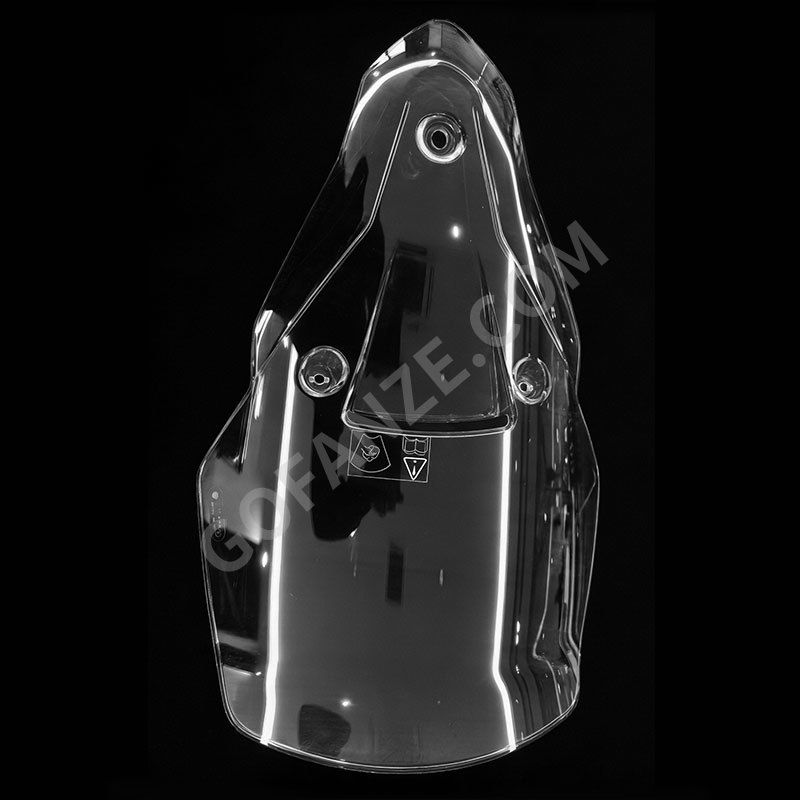
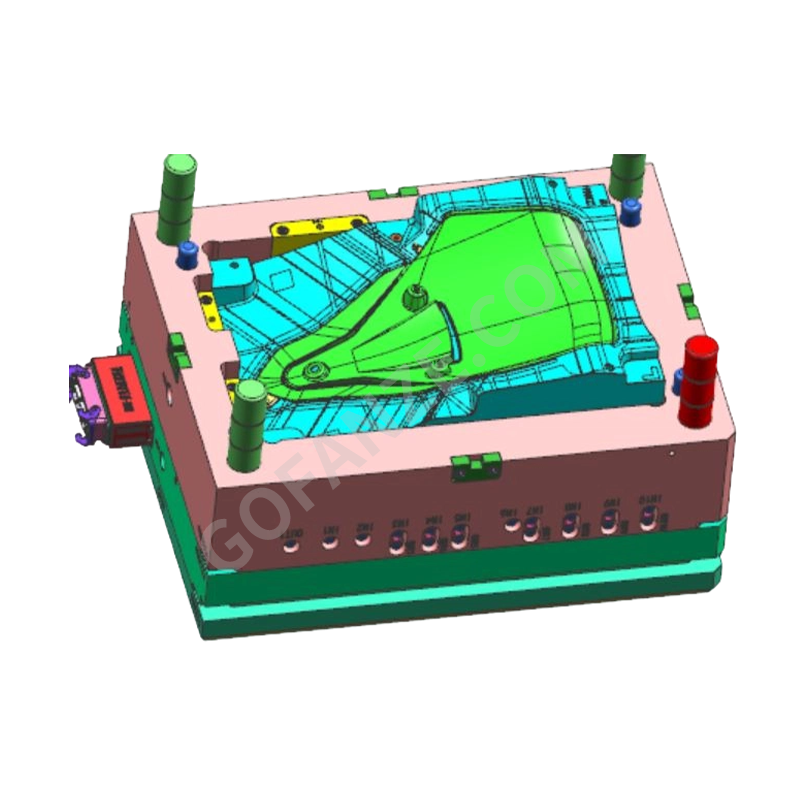
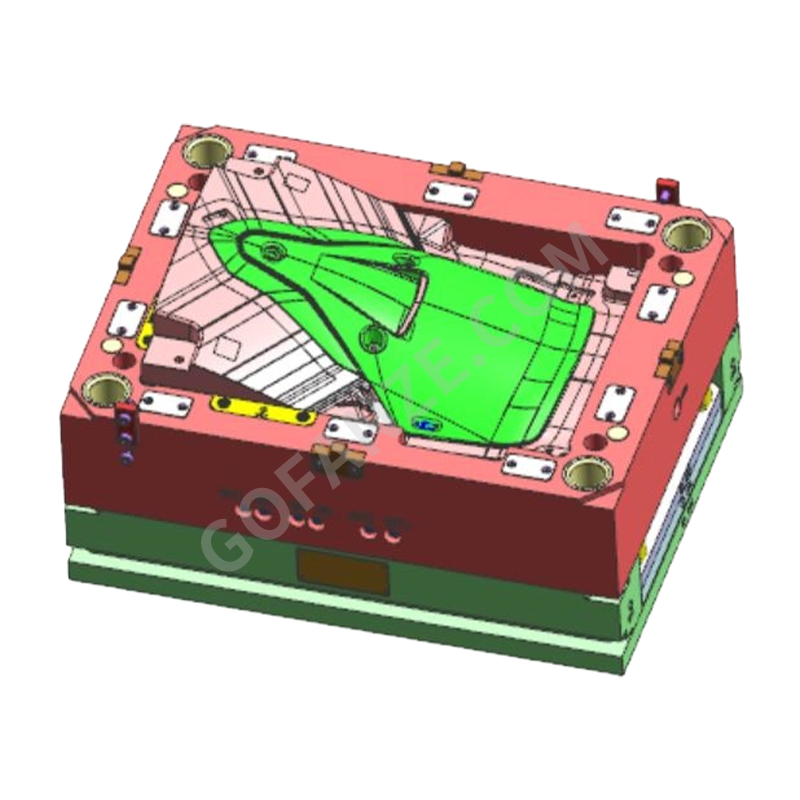
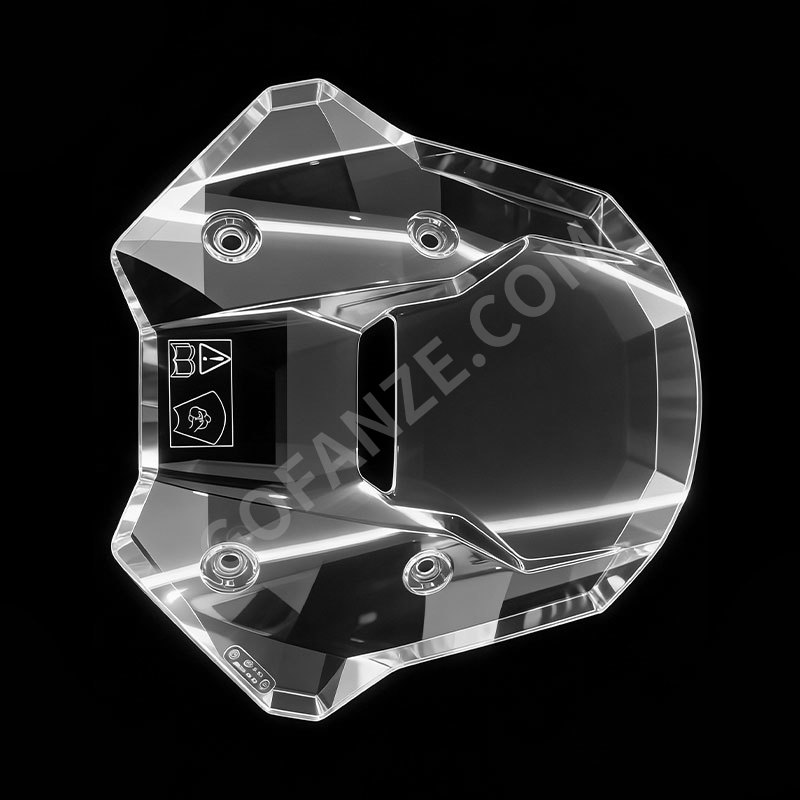
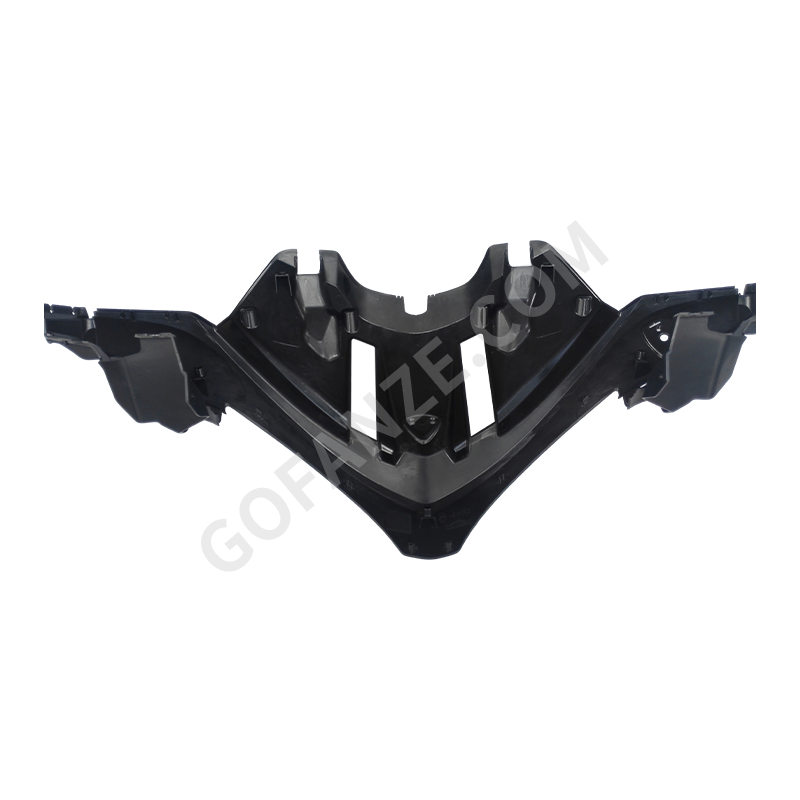
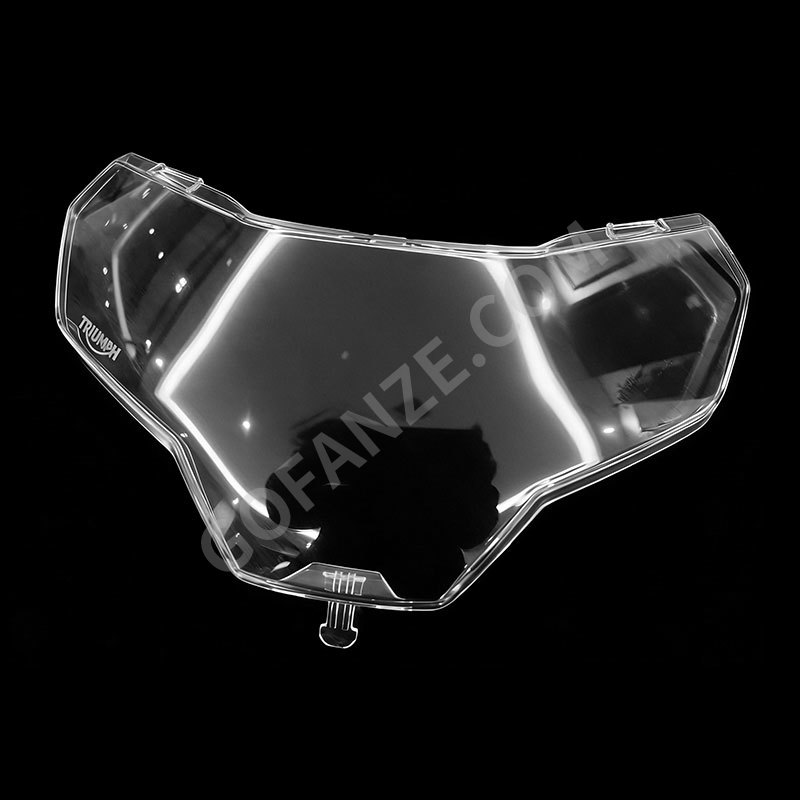
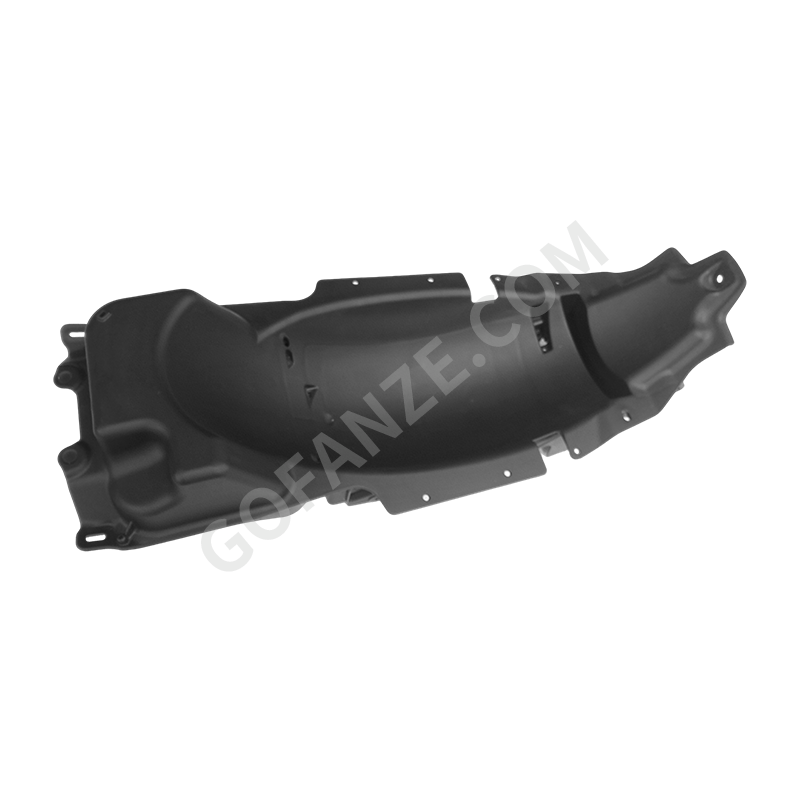
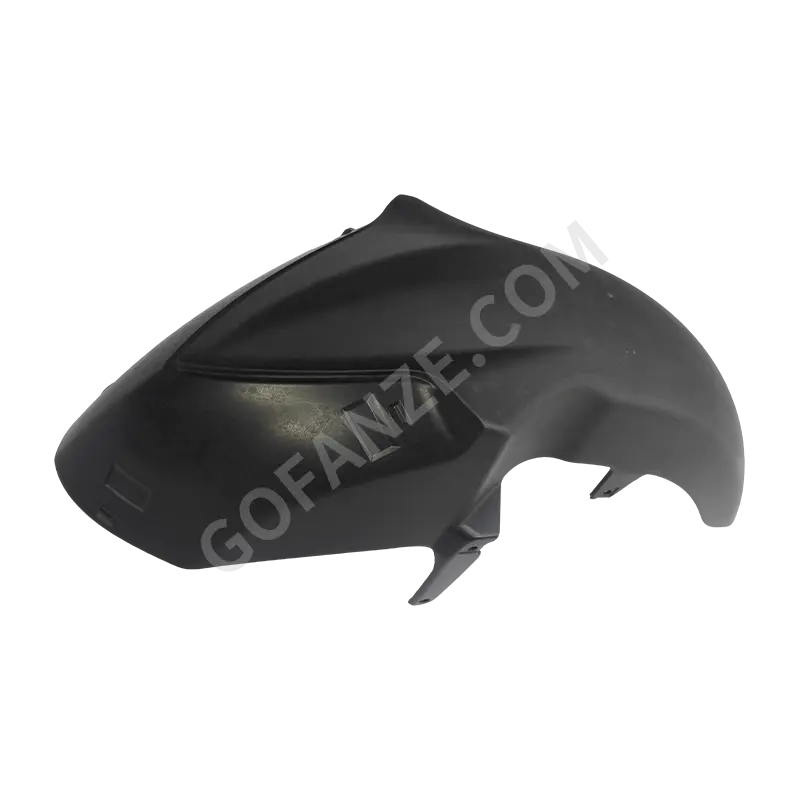
This product is a specialized injection mold for motorcycle transparent windshields, designed to produce PC (Polycarbonate) exterior parts with high light transmittance and high surface gloss. The mold design focuses on controlling internal stress and eliminating flow marks during the molding process of largecurved PC materials. The mold steel uses highhardness mirror steel, with the cavity surface undergoing ultraprecision optical grinding and polishing to ensure the injection molded parts are free of visible defects and meet opticalgrade light transmittance standards. Tailored to the flow characteristics of PC materials, the mold is equipped with an optimized hot runner system or cold runner large gate design, along with cold slug wells to ensure smooth melt filling. The mold structure design complies with international export standards, enabling longterm stable production of transparent plastic components meeting motorcycle safety regulations.


Home · Product · High-Gloss Transparent PC injection mold · Motorcycle Clear Windshield Injection Mold
Wholesale Motorcycle Clear Windshield Injection Mold
 Get A Quote
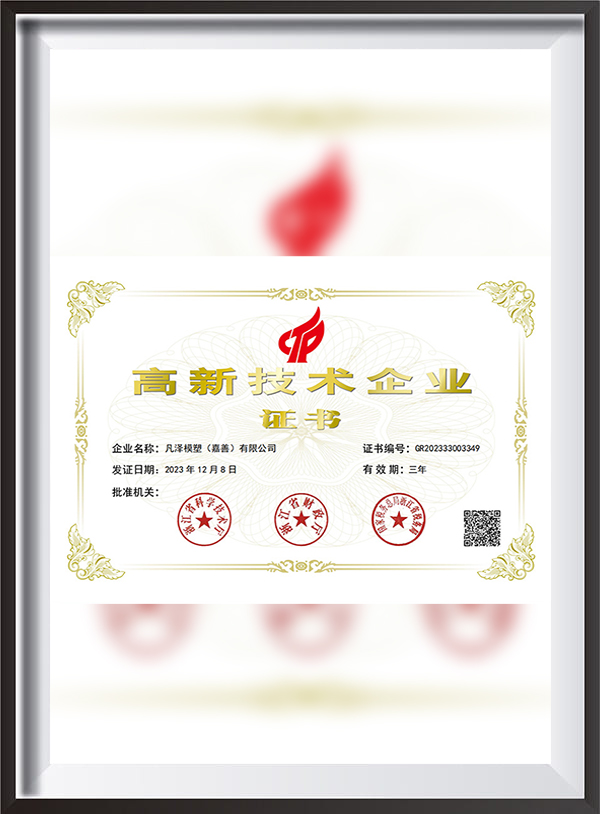
Fanze T&M (Jiashan) Co., Ltd., formerly Shanghai Fanze Precision Mould (est. 2005), is a precision enterprise specializing in injection mold development and plastic part manufacturing. We are China Motorcycle Clear Windshield Injection Mold Suppliers and Wholesale Motorcycle Clear Windshield Injection Mold Company, Exporter. Leveraging Singaporean precision technology and an international strategy, the company integrates R&D, mold design, manufacturing, and injection molding.
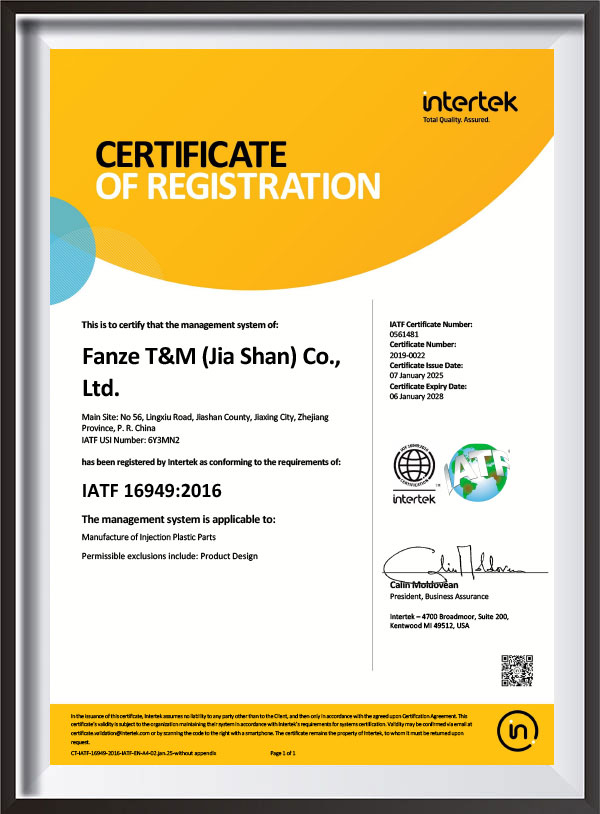
Based in Jiashan, Zhejiang, our 14,000 m² facility utilizes high-performance Japanese and German machinery (CNC, EDM, wire-cutting) to provide a full-service chain: R&D, mold making, injection molding, printing, and assembly. IATF16949 certified, we specialize in automotive interiors, new energy charging piles, and appliances. Partnering with global leaders like Land Rover, SAIC, and ABB, we export worldwide, delivering quality via advanced technology and expert management.
 View All News
-
Industry News
-
Industry News
-
Industry News
-
Industry News

- Automotive interior plastic parts injection mold
- Automobile wire harness
- EV Charging pile plastic injection mold
- Motorcycle Fairings & Bodywork plastic injection mold
- High-Gloss Transparent PC injection mold
- Robot shell injection mold
- Home Appliance Injection Parts
- Threaded Plastic injection molded part
- Plastic Multi-way Connectors
- Two-color Plastic component & tool
- Printer Components & Parts

