


 English
 Français
 Español
 Deutsch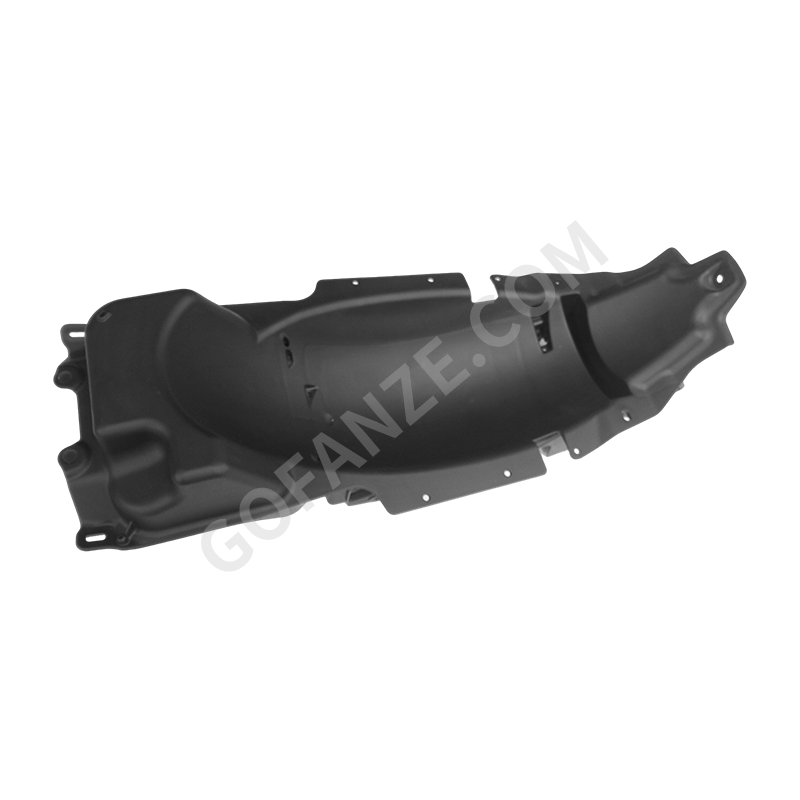
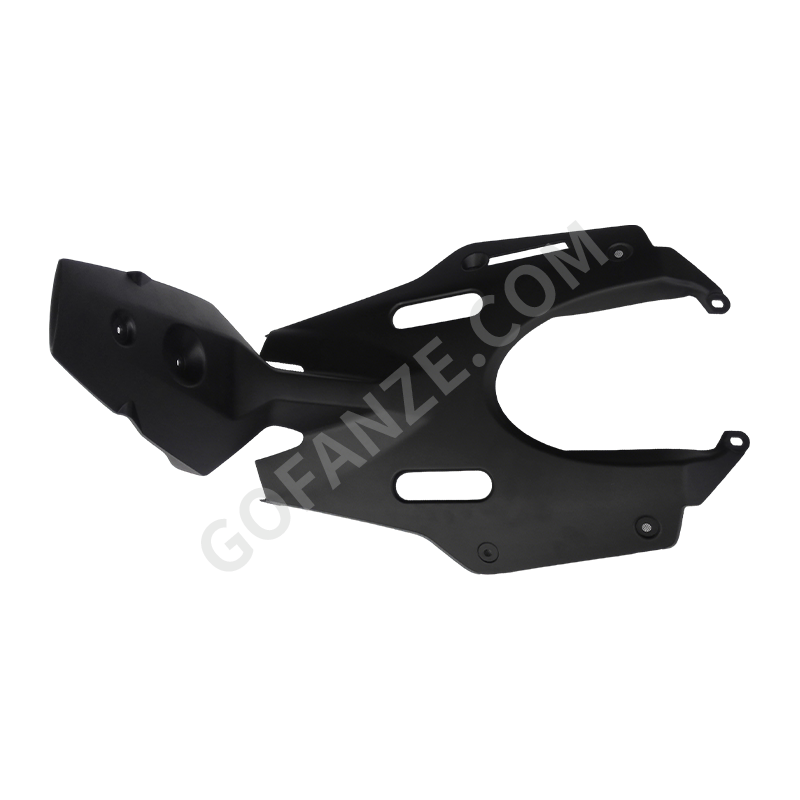
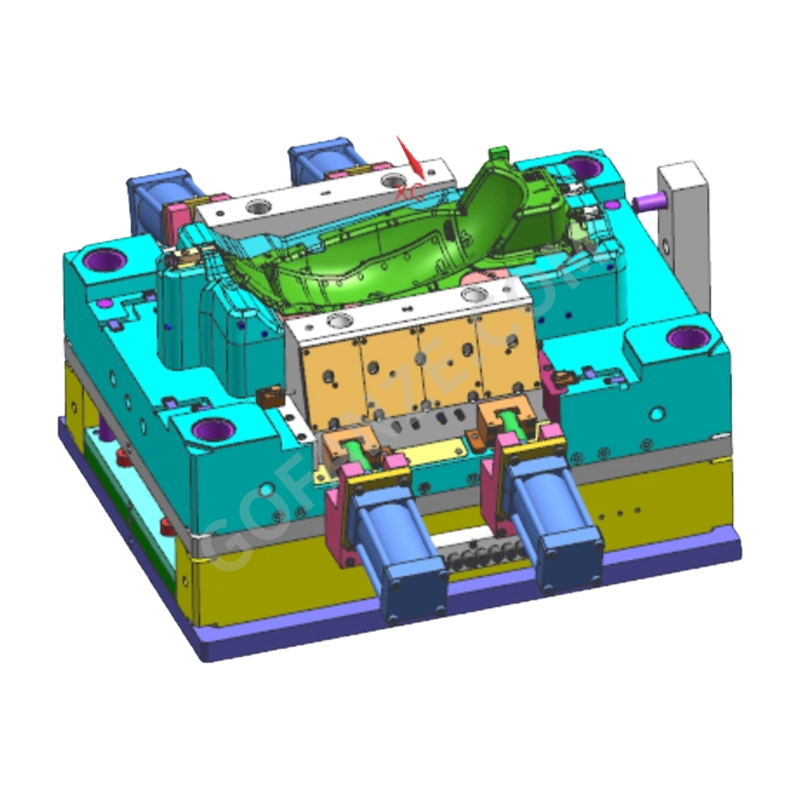
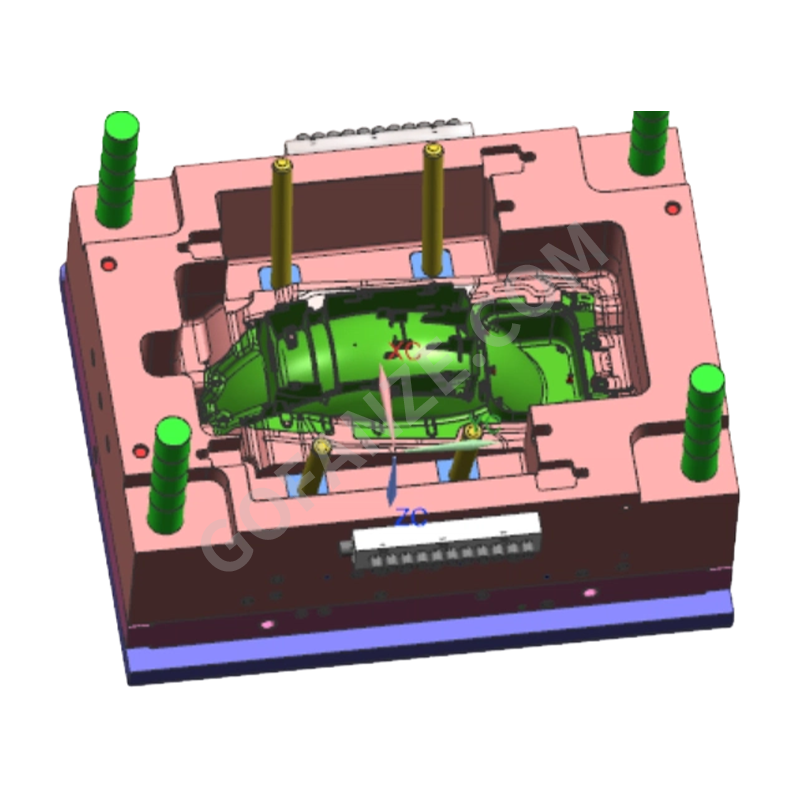
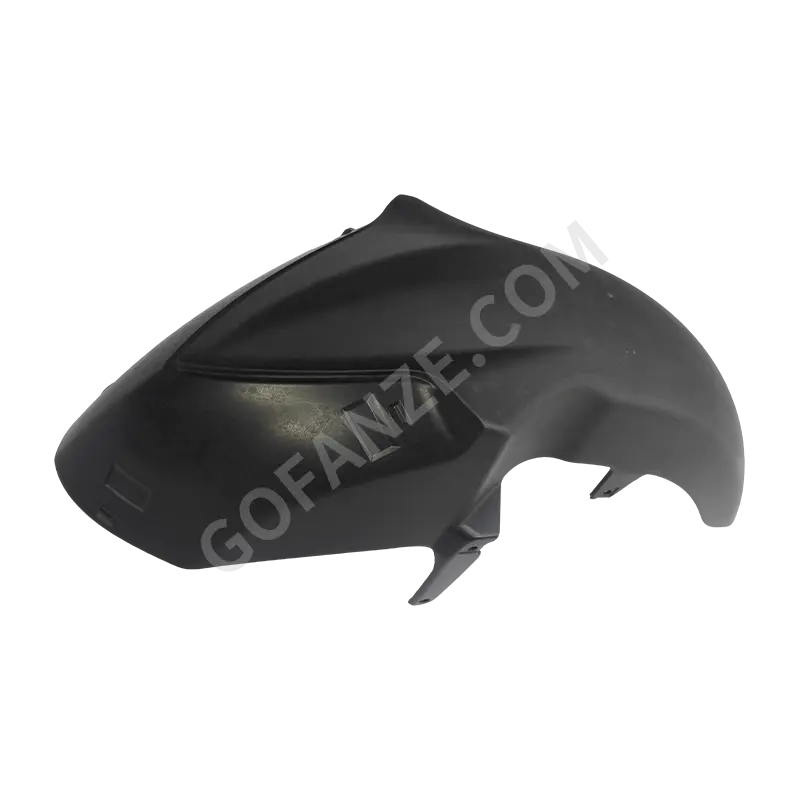
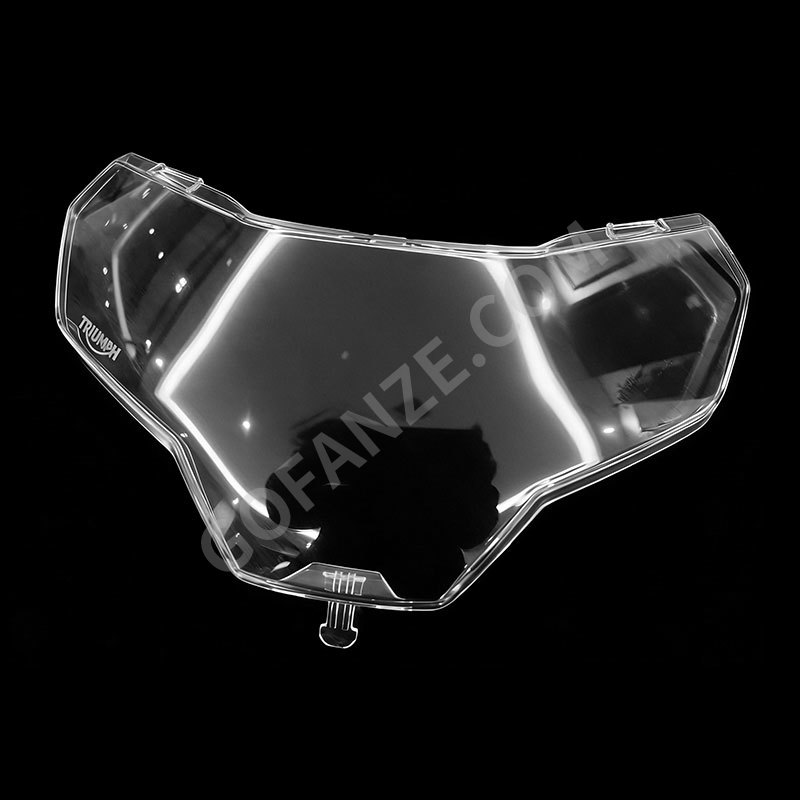
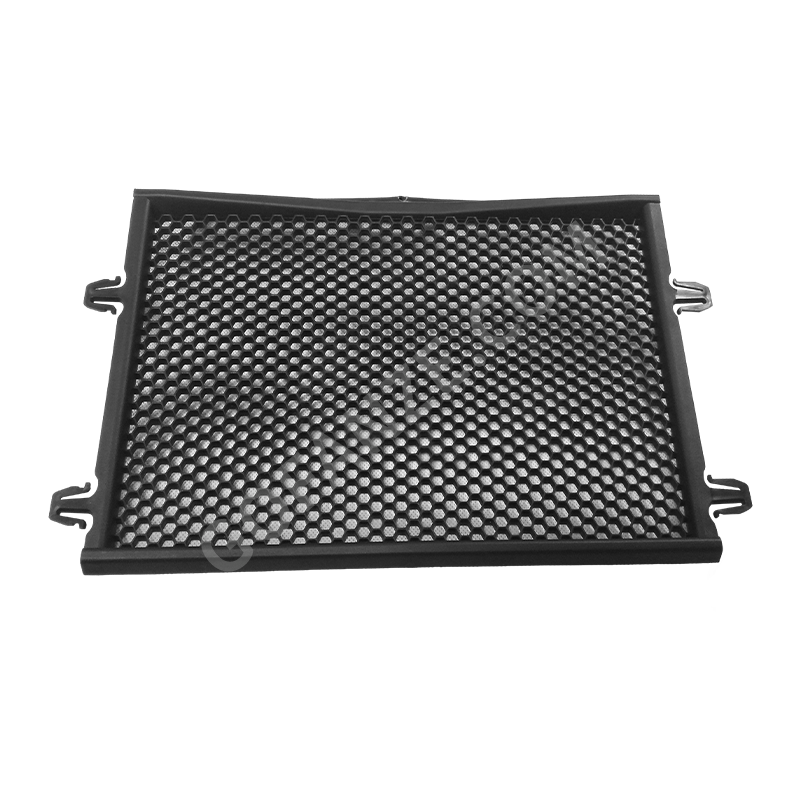
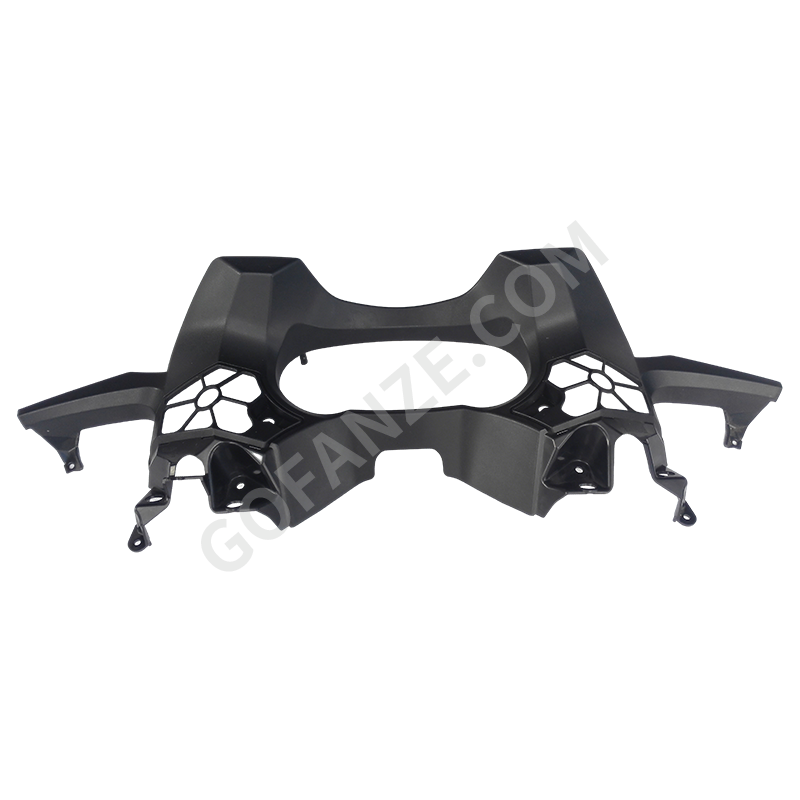
This product is an injection mold specifically designed for motorcycle rear fenders, aimed at producing external covering parts that block mud and water splashes from the rear wheel, protecting the vehicle body and passengers. The mold design must balance the aesthetic quality of large curved surfaces with structural rigidity, typically using impactresistant materials such as PP or ABS. Addressing the complex spatial geometry of fenders, the mold employs multislider side corepulling mechanisms to ensure smooth demolding of undercut areas without damaging the plastic surface. The mold steel is prehardened, and the cavity surface supports mirror polishing or deep texture etching to ensure clear surface patterns and freedom from weld lines on the molded part. The mold design strictly follows international export standards, with an optimized cooling channel layout to control cycle times, suitable for mass production needs of OEMs and the aftermarket.

Home · Product · Motorcycle Fairings & Bodywork plastic injection mold · Motorcycle Rear Mudguard Injection Mold
Wholesale Motorcycle Rear Mudguard Injection Mold
 Get A Quote
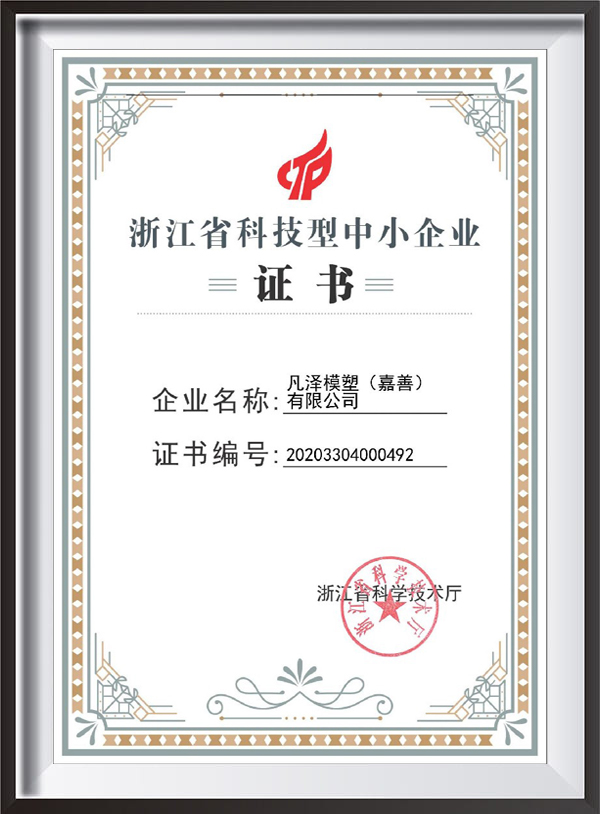
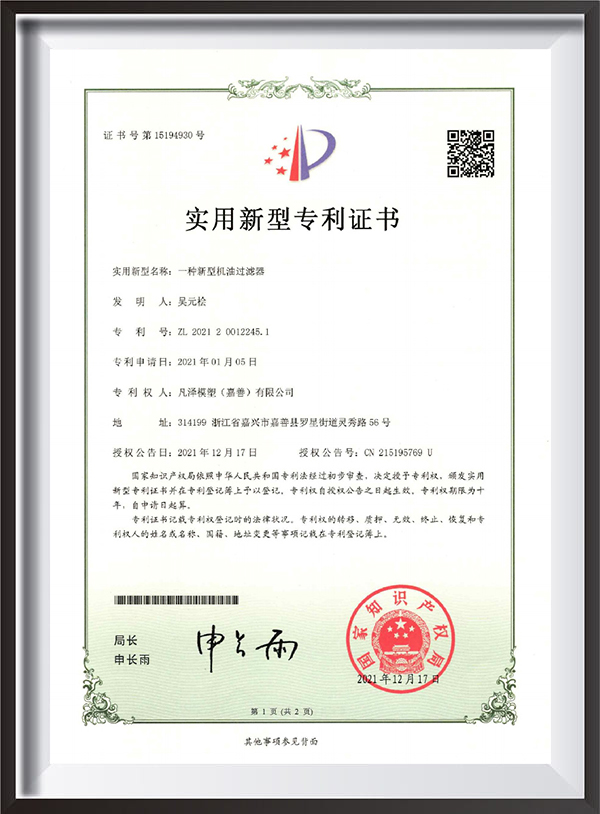
Fanze T&M (Jiashan) Co., Ltd., formerly Shanghai Fanze Precision Mould (est. 2005), is a precision enterprise specializing in injection mold development and plastic part manufacturing. We are China Motorcycle Rear Mudguard Injection Mold Suppliers and Wholesale Motorcycle Rear Mudguard Injection Mold Company, Exporter. Leveraging Singaporean precision technology and an international strategy, the company integrates R&D, mold design, manufacturing, and injection molding.
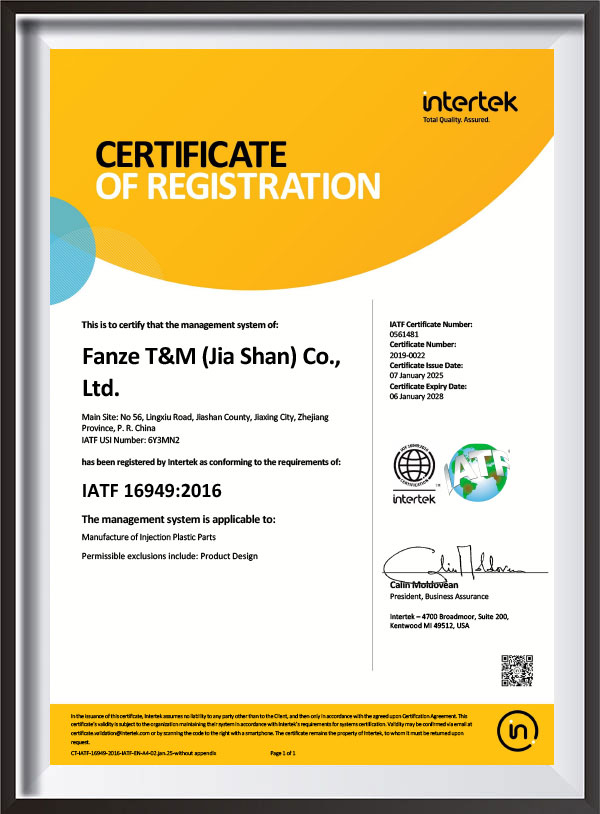
Based in Jiashan, Zhejiang, our 14,000 m² facility utilizes high-performance Japanese and German machinery (CNC, EDM, wire-cutting) to provide a full-service chain: R&D, mold making, injection molding, printing, and assembly. IATF16949 certified, we specialize in automotive interiors, new energy charging piles, and appliances. Partnering with global leaders like Land Rover, SAIC, and ABB, we export worldwide, delivering quality via advanced technology and expert management.
 View All News
-
Industry News
-
Industry News
-
Industry News
-
Industry News

- Automotive interior plastic parts injection mold
- Automobile wire harness
- EV Charging pile plastic injection mold
- Motorcycle Fairings & Bodywork plastic injection mold
- High-Gloss Transparent PC injection mold
- Robot shell injection mold
- Home Appliance Injection Parts
- Threaded Plastic injection molded part
- Plastic Multi-way Connectors
- Two-color Plastic component & tool
- Printer Components & Parts

