Core Advantages
- 15+ Years Export Experience — Sustained supply to European and Asian home appliance brands and OEM customers; familiar with CE, RoHS, and other material and product compliance requirements in target markets
- Drawing & Model-Based Quotation — Accepts 2D engineering drawings or 3D CAD data (STEP/IGES) for mold development, covering singlepart and multipart tooling programs
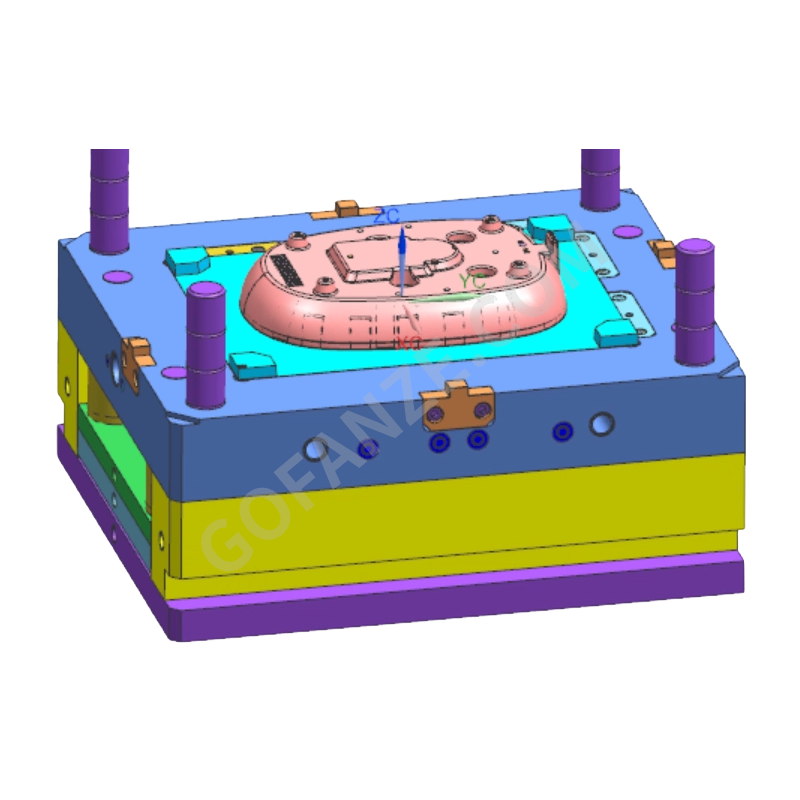
- International Standard Tooling — Mold structures, steel grades, and tolerance control aligned with DME and HASCO standards; molds available for export to customer-designated facilities
- Flame Retardant Material Processing Experience — Established injection molding process parameters for UL94 V0 rated flame retardant materials including
- FRABS, FRPP, and FRPA, supporting safety certification requirements for appliance products
- End-to-End Service — Injection molding, ultrasonic welding, hot plate welding, and component assembly available as an integrated service, supporting delivery of fully functional assembled subassemblies
Product Specifications
Water Heater Plastic Part Molds
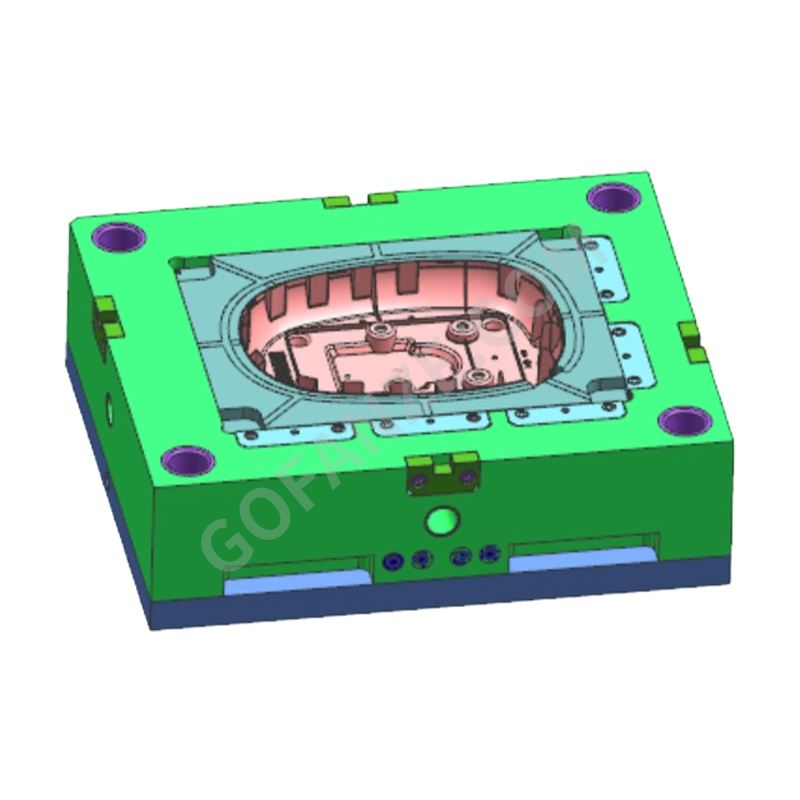
- Mold Types: Single/multicavity, hot runner/cold runner, with slider and lifter ejection mechanisms
- Mold Steel Grades: P20, 718H, S136 — selected based on appearance requirements and production volume
- Surface Finish: Mirror polish, VDI/MoldTech texture etching; suitable as base surface for painting or electroplating
- Mold Service Life: Standard tooling 500,000+ shots; prehardened or hardened steel options available for high-volume requirements
- Dimensional Tolerance: Critical mating surfaces and mounting hole positions controlled per drawing specifications; ±0.05mm precision available
- Standard Compatibility: DME, HASCO, and customer-defined mold standards supported
Home Appliance Injection Molded Components
- Compatible Materials: ABS, PP, PC/ABS, PA, POM, flame-retardant ABS/PP (UL94 V0 rated)
- Surface Finish Options: Natural resin finish, painting, electroplating, IMD (InMold Decoration) — applied per product appearance grade requirements
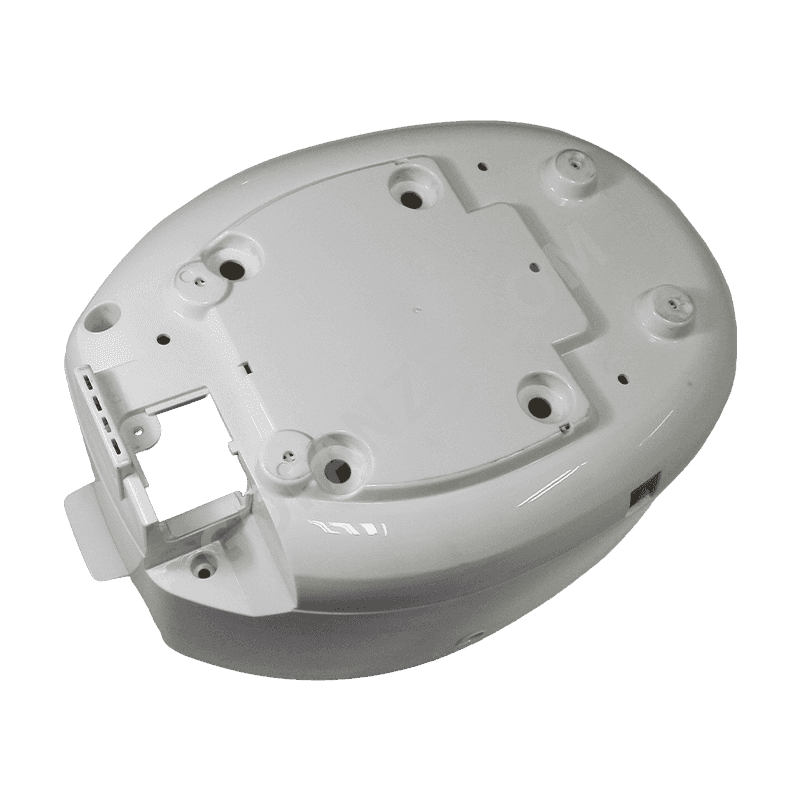
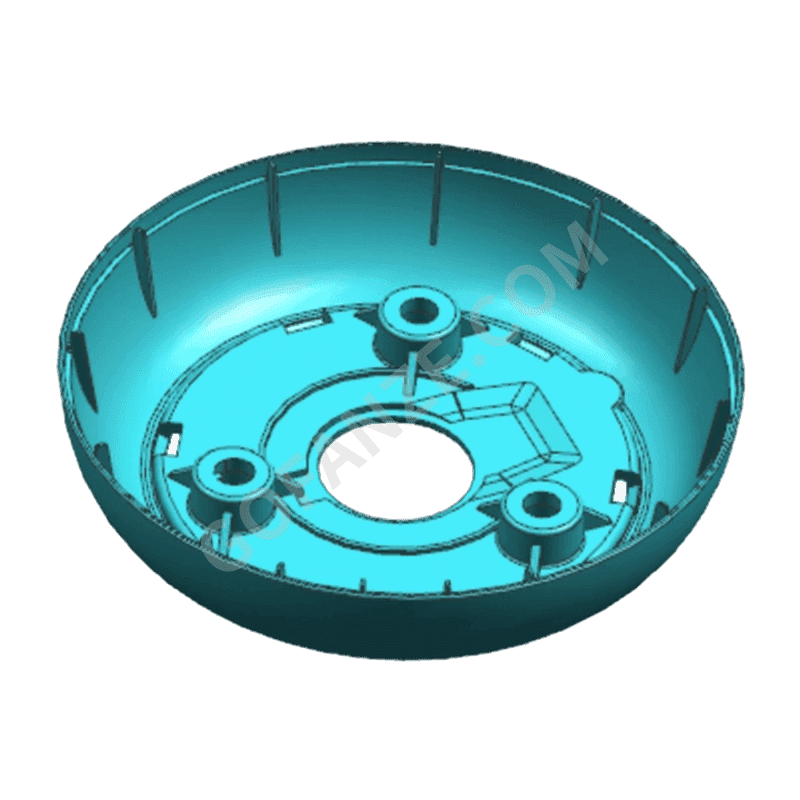
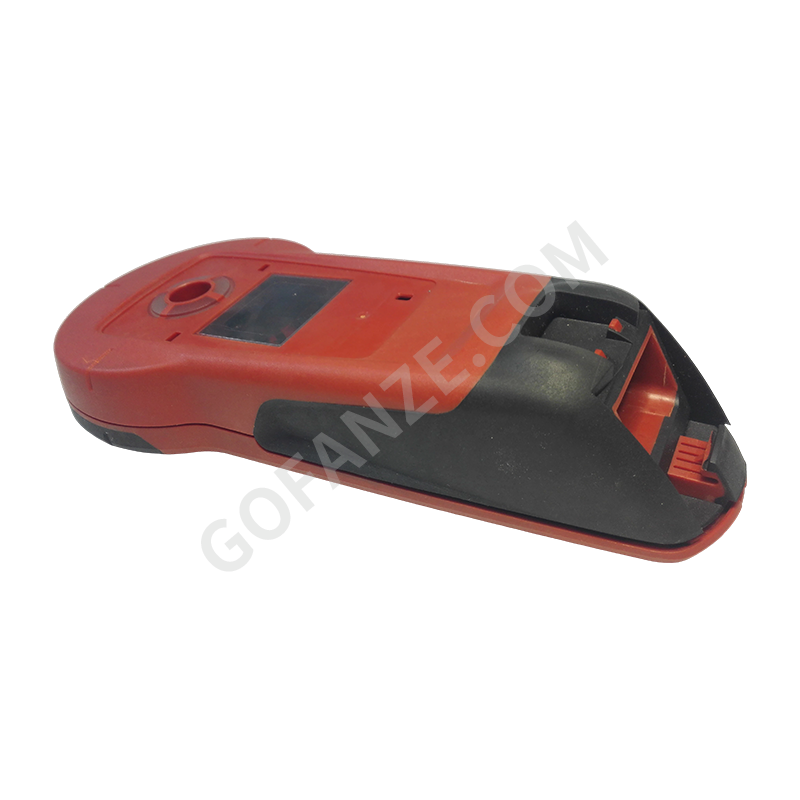
- Structural Features: Thinwall shells, snapfit structures, boss columns, reinforcing ribs, and insert mating surfaces — configured per part function
- Dimensional Accuracy: Mating surface tolerances strictly controlled; flatness and fit gap requirements for large appliance shell parts supported
- Secondary Processes: Ultrasonic welding, hot plate welding, component assembly; multipart assembled subassembly delivery available
- Certified Material Support: Raw materials with SGS, RoHS, and UL certification available for procurement and processing
Application Areas
Water Heater Plastic Components:
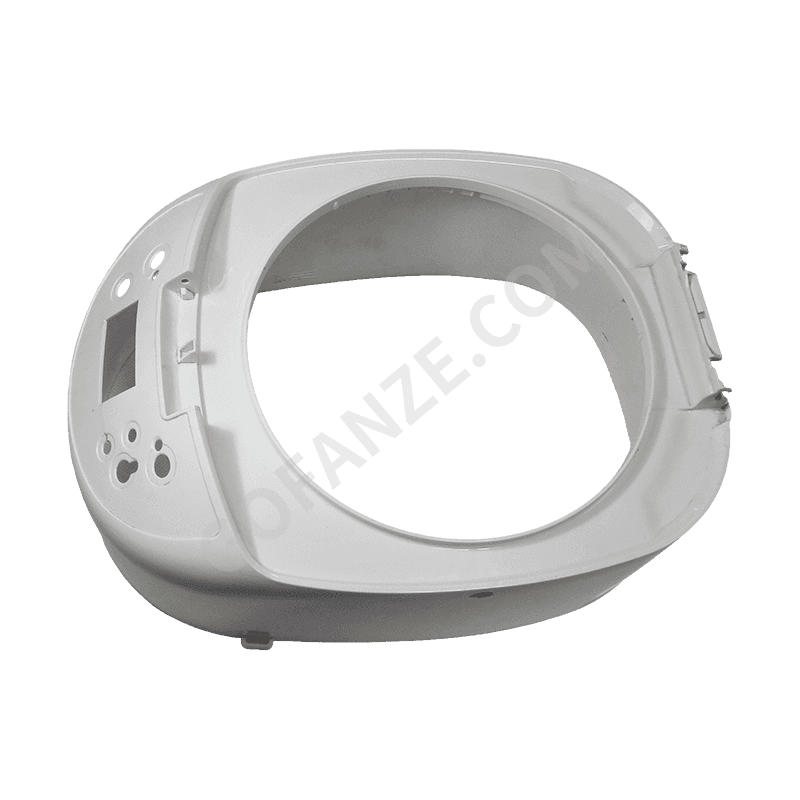
- Storage water heater exterior shell panels, bottom support bases, and top covers
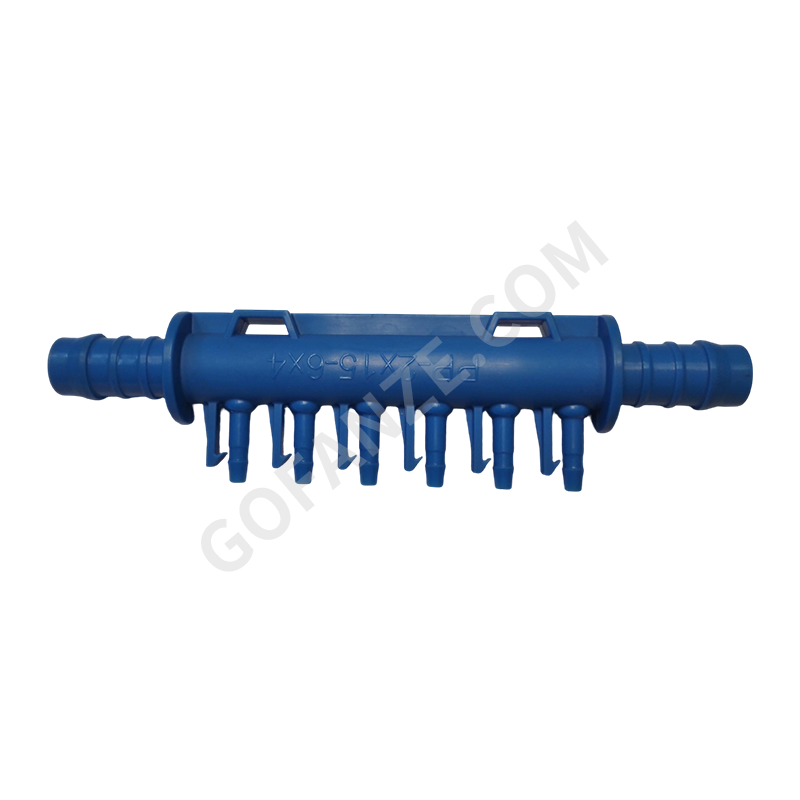
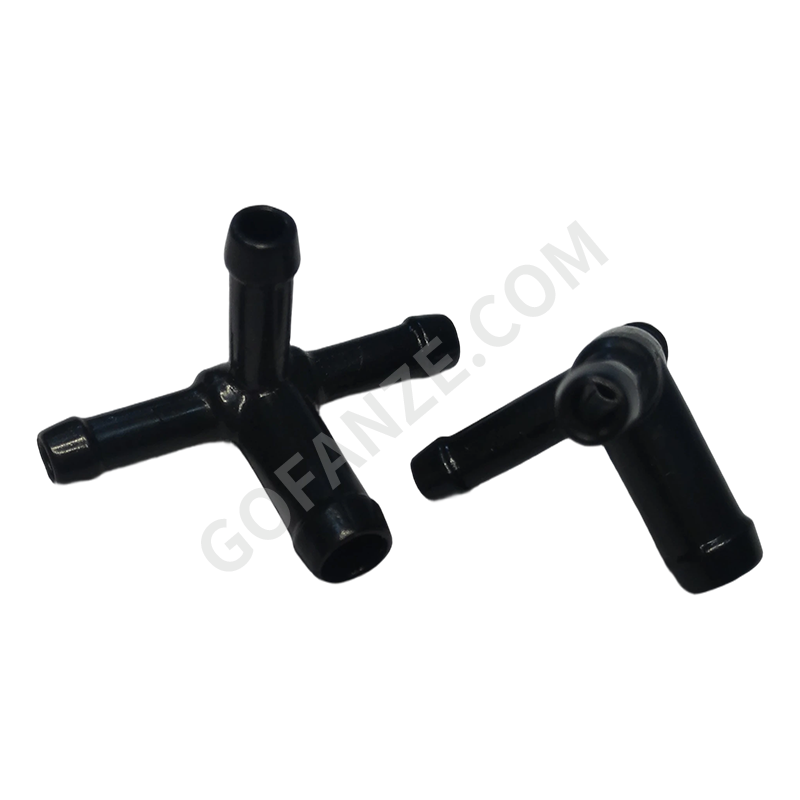
- Gas water heater control panel frames, rotary knobs, and water outlet connector seats
- Instant water heater inlet/outlet interface seats and temperature display window frames
- Solar water heater controller housings and junction box covers
Home Appliance Injection Molded Components:
- Air conditioner indoor unit panels, air deflection vanes, and filter frames
- Washing machine control panels, detergent dispenser drawers, and drain pump housings
- Refrigerator door seal retainer strips, drawer slide brackets, and vegetable crisper bodies
- Vacuum cleaner body shells, dust bin covers, and suction nozzle connectors
- Rice cooker, soy milk maker, blender, and other small appliance housings and bases
- Electric fan impellers, bases, and oscillation mechanism covers
FAQ & Technical Considerations
Q1: Large water heater shell parts are prone to warpage after injection molding — how is this managed?
Warpage in large thin-wall appliance shell parts is primarily caused by uneven cooling and residual shrinkage stress. Countermeasures include CAE mold flow analysis during mold design to optimize gate count, gate placement, and cooling circuit layout; selection of low-shrinkage, dimensionally stable materials such as modified PP or ABS; and incorporation of warpage compensation in the mold geometry, refined through iterative mold trials until drawing requirements are met.
Q2: Appliance products require flame retardancy — how are materials selected?
Appliance housing components typically require UL94 V0 or V2 flame retardancy ratings. Commonly specified materials include FRABS, FRPP, and FRPC/ABS alloys. We source and process raw material grades meeting customer safety certification requirement,s and provide material test reports and raw material certificates of conformance with shipment.
Q3: Water heater parts are exposed to persistent humidity — what specific requirements does this place on materials and molds?
Parts in persistent humid environments require materials with low moisture absorption and good dimensional stability, such as PP or FRABS. Moisture-absorbing materials must be thoroughly dried prior to injection molding to prevent material degradation and surface defects. For mold tooling, corrosion-resistant steel grades such as S136 are recommended for cavity surfaces to extend maintenance intervals in humid operating conditions.
Q4: Appliance shell appearance surfaces show color variation or sink marks — how are these resolved?
Color variation is typically related to raw material batch inconsistency or injection process parameter drift; incoming material inspection and process parameter stability controls are required. Sink marks are predominantly caused by nonuniform wall thickness or oversized reinforcing ribs. Product design should follow injection molding guidelines for ribtowall thickness ratios (rib thickness generally not exceeding 60% of wall thickness), with localized process optimization applied to affected areas during mold trials.
Q5: Can multimold programs for appliance customers be developed concurrently?
Yes. We have project management capability for concurrent multimold development programs, providing unified scheduling of mold progress, mold trial sequencing, and sample approval workflows for new appliance product launches. This reduces multisupplier coordination costs for the customer. Specific program plans are structured based on part count and delivery requirements.