



 English
 Français
 Español
 Deutsch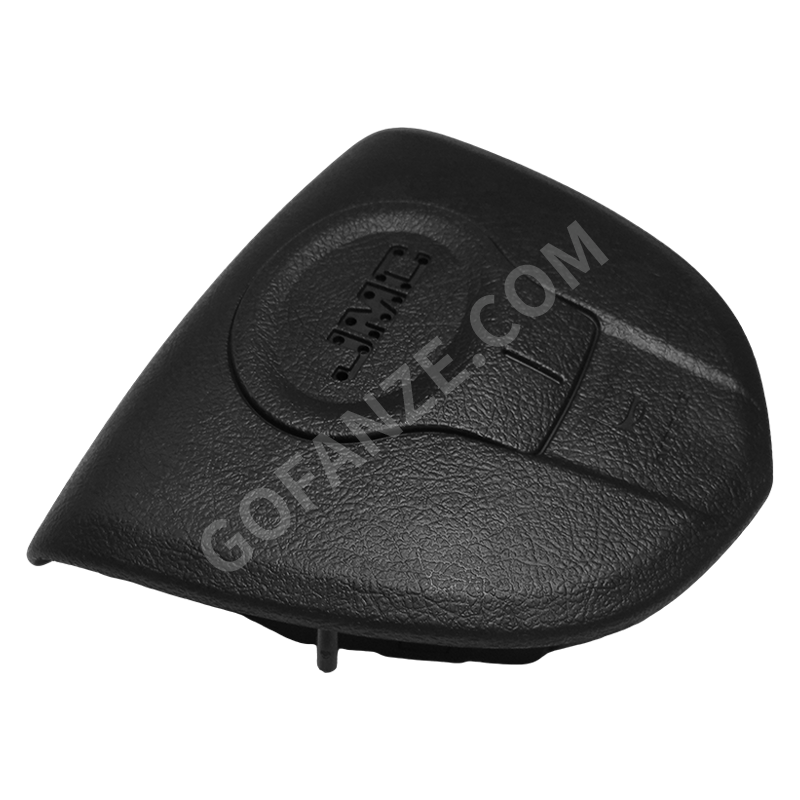
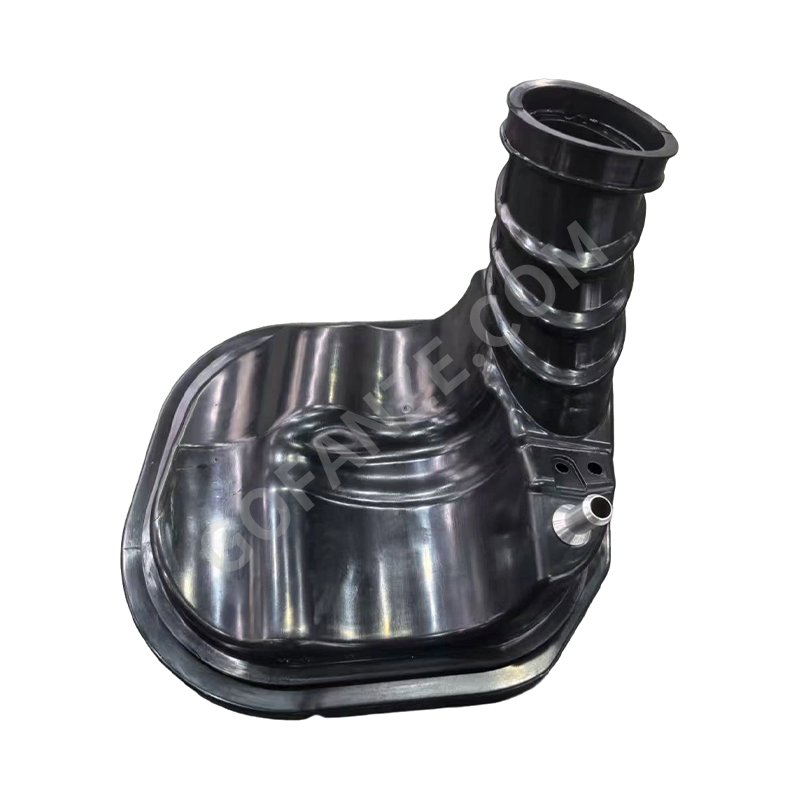
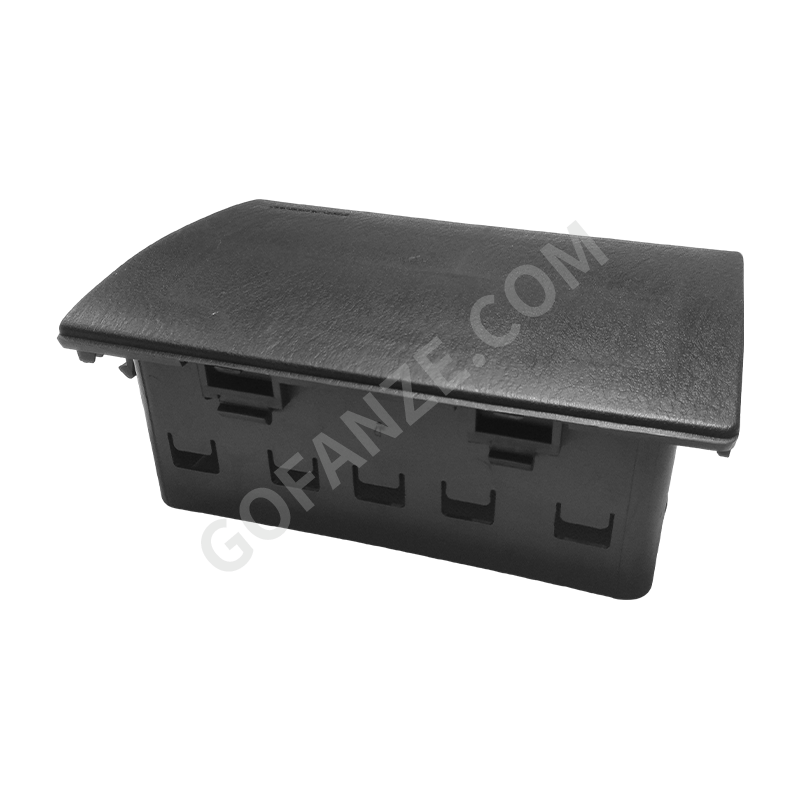
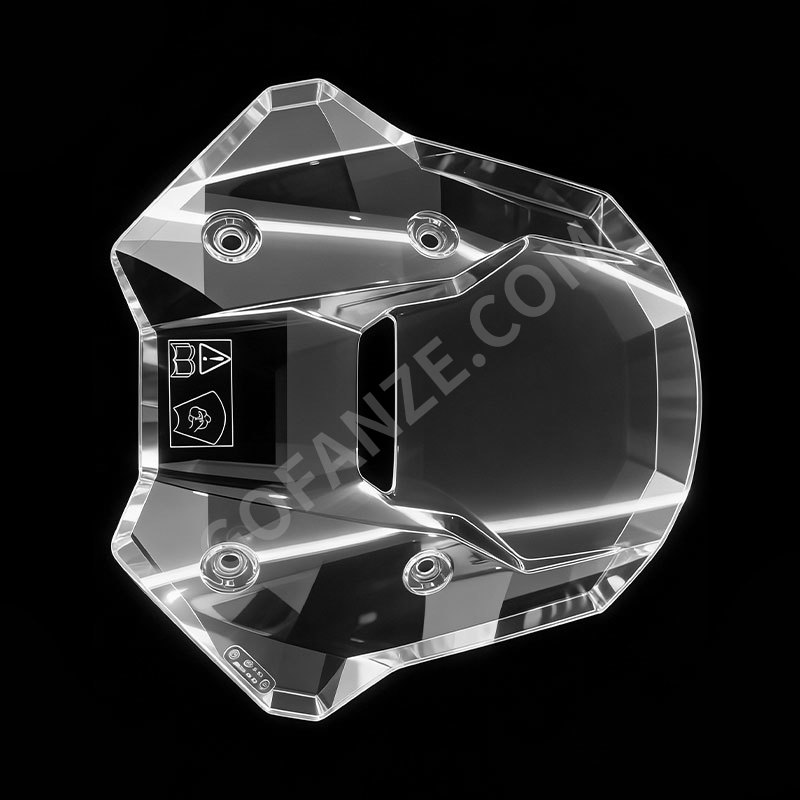
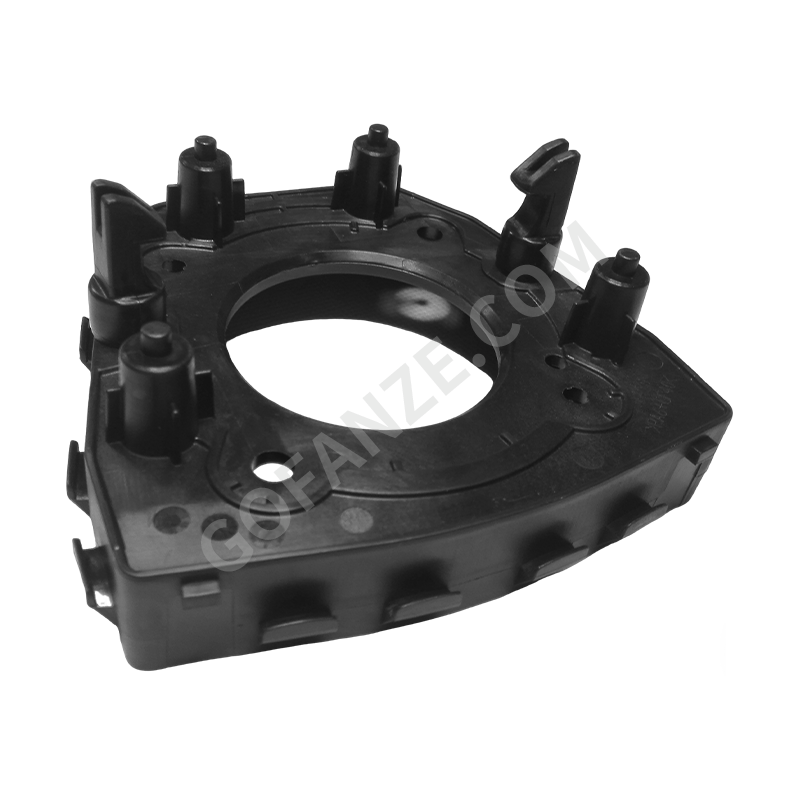
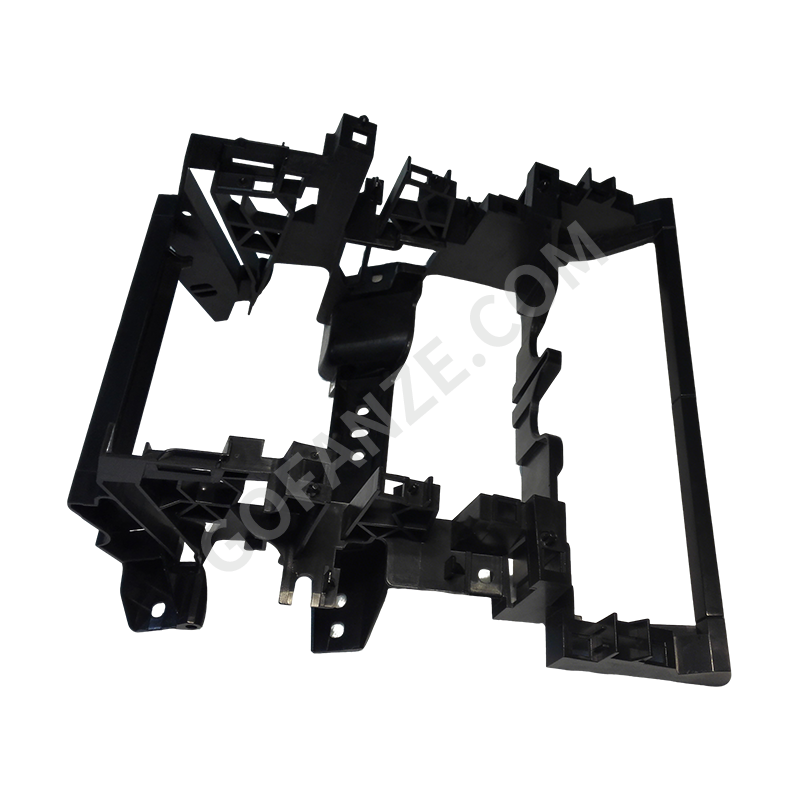
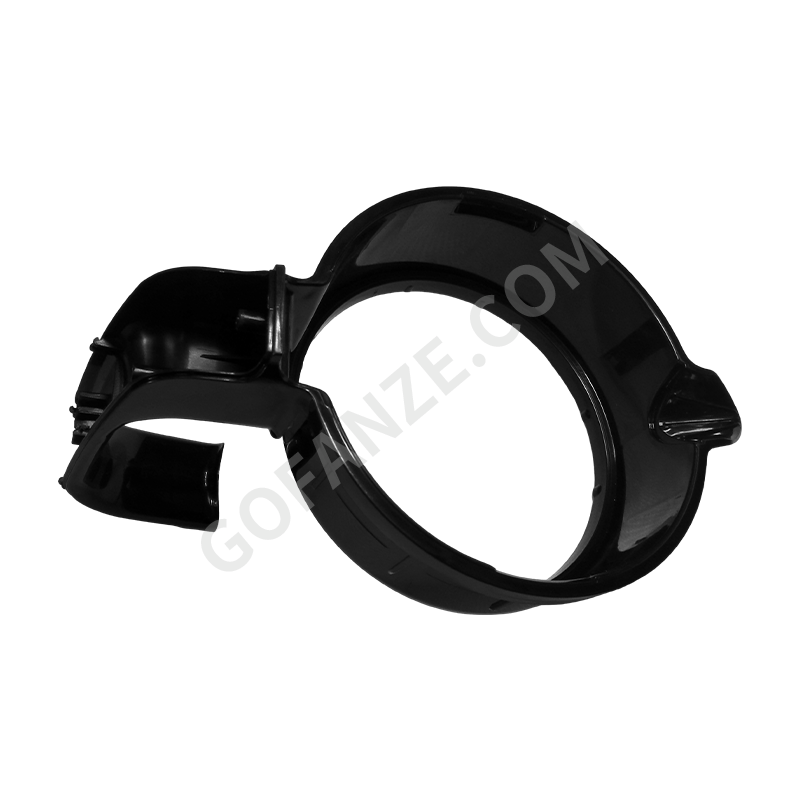
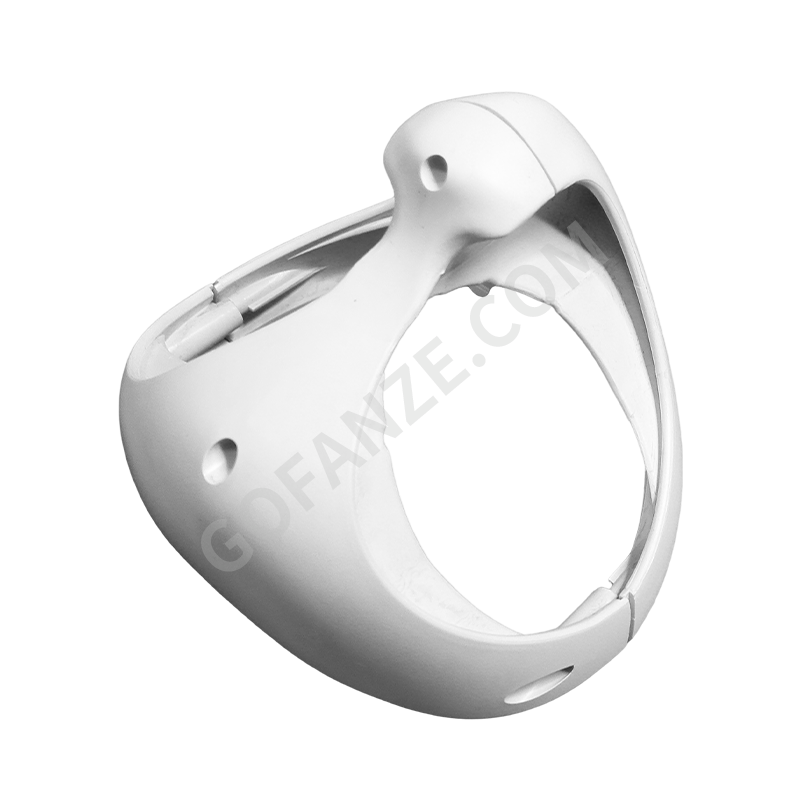
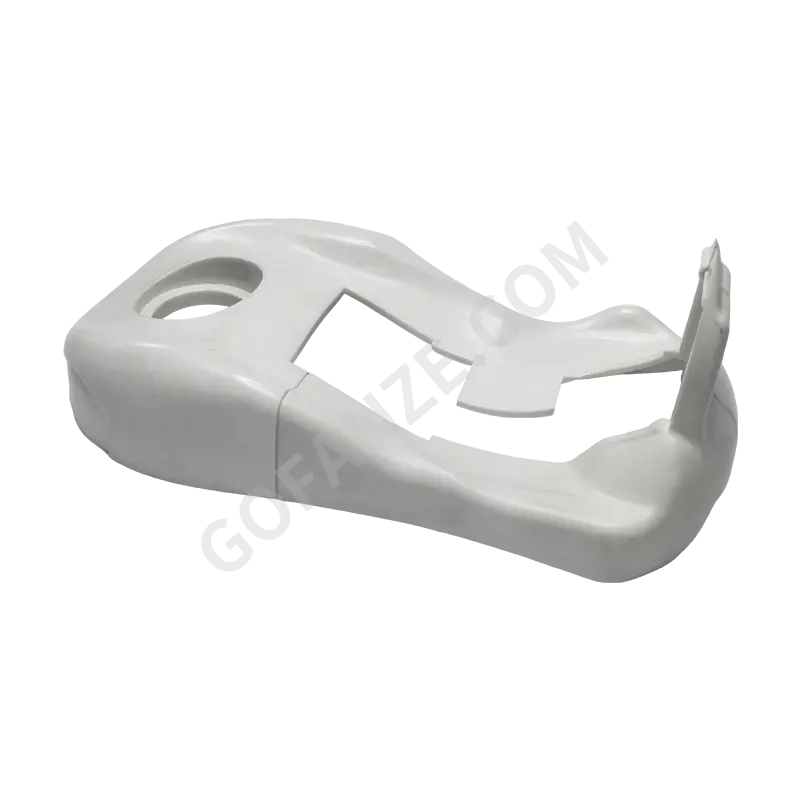
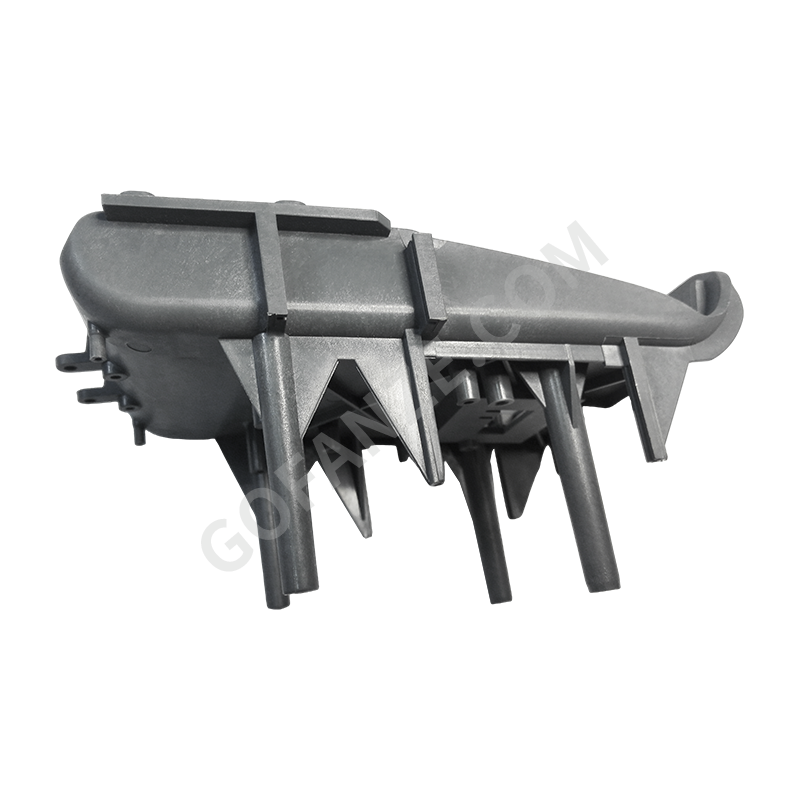
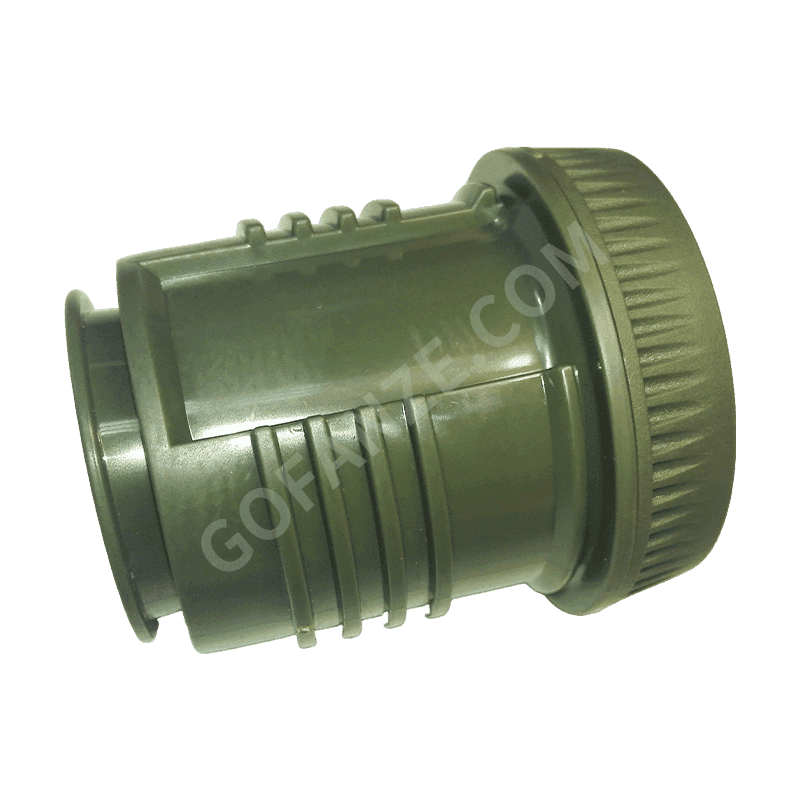
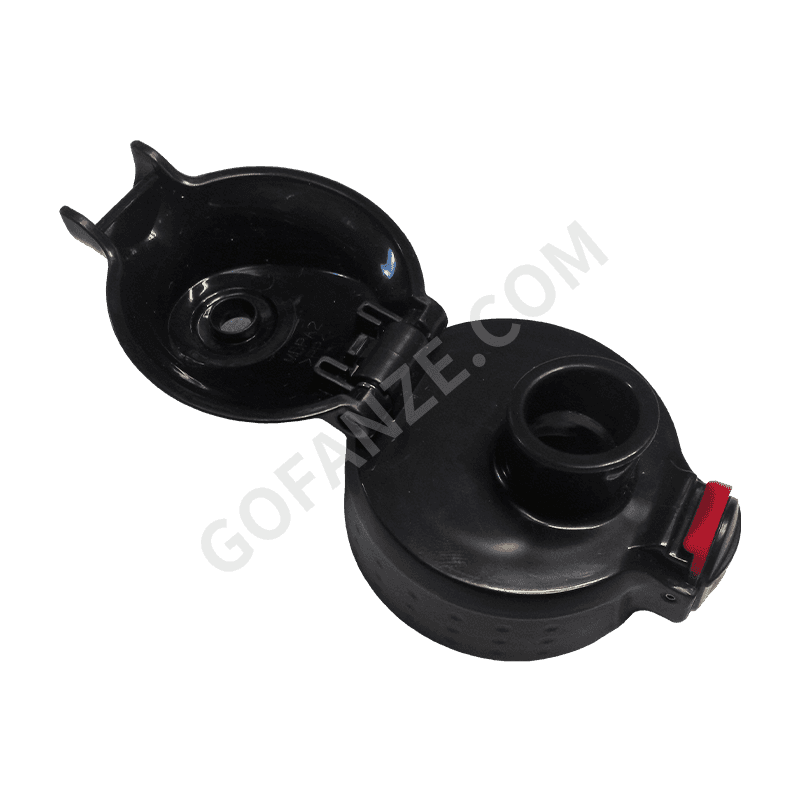
Wire Harness Overmolding Mold
The wire harness overmolding mold is engineered for producing encapsulated cable assemblies, sealed connector systems, and molded strain reliefs through two-shot and insert molding processes. This tooling system supports overmolding of pre-assembled wire harnesses, terminals, and connectors with different material grades. The mold architecture incorporates sliding cores, collapsible cores, and hot runner systems with pinpoint gating to achieve precision encapsulation without damaging internal components. Steel selection includes Stavax ESR for polished cavity surfaces and H13 with PVD coating for wear-prone areas. Cooling employs conformal circuits to maintain thermal stability during multi-stage molding. Ejection strategies combine ejector pins, air poppets, and a synchronized stripper system for damage-free demolding of encapsulated assemblies.
Core advantages
- Two-shot and insert overmolding capability for wire harness assemblies
- Multi-material compatibility for encapsulation and sealing applications
- Collapsible core technology for complex undercut features
- Pinpoint gate hot runner for precision fill without wire displacement
- Multi-cavity configurations (2+2, 4+4, 8+8) available
- PVD coating (TiAlN, CrN) on slide and core surfaces
- Conformal cooling reduces cycle time by 18–25%
Product characteristics
| Mold base standard | DME / HASCO / FUTABA |
| Overmolding type | Two-shot / insert / encapsulation |
| Injection materials | TPE, TPU, PA, PBT, LCP, PP |
| Clamping force range | 80 – 800 ton |
| Number of cavities | 2 – 8 (custom) |
| Surface finish | SPI A1, VDI 3400, textured |
| Wire encapsulation tolerance | ±0.05 mm |
| Mold life | 800k – 2.5M shots |
Application scenarios
- Encapsulated wire harness assemblies
- Sealed connector systems and cable glands
- Molded strain reliefs and cable boots
- Sensor encapsulation and potting housings
- Multi-material seals and grommets
- Flexible cable overmolding
- Waterproof and dustproof connector systems
Processing considerations
- Mold temperature: 40–80°C for TPE; 80–120°C for PA
- Melt temperature: 180–220°C for TPE; 260–300°C for PA
- Wire preheat temperature: 60–100°C for encapsulation
- Injection profile: slow fill to prevent wire displacement
- Pack pressure: 40–60% of injection pressure, hold time 3–6 sec
- Venting depth: 0.005–0.010 mm for encapsulation
- Shrinkage allowance: 1.0–2.0% for TPE; 0.5–1.2% for PA


